Essence of Life - Food
  • Home
  • From My Kitchen
    • Heirloom Recipes
    • From God's Own Country
    • Sadhya
    • Kongu Cuisine
    • Chettinaad Cuisine
    • South East Asian
    • Around the World
  • Ebook
  • I Me Myself

A rustic serving of Inji Thayir Pachadi with fresh ginger, curry leaves, and yogurt in a brass spoon.

Refreshing Inji Thayir Pachadi - A Perfect Blend of Ginger & Yogurt


"Inji Thayir Pachadi Recipe – Kerala's Ginger & Yogurt Side dish for a Perfect Onasadhya"


    Onam is one of Kerala's most beloved festivals, and the celebrations start today with Atham, the first day of Onam. The ten-day countdown to Thiruvonam has officially begun, bringing with it the preparation of a grand feast – the Onasadhya. This year, I’m adding some special recipes to make your Onasadhya even more delightful. Stay tuned for updates on essential dishes you’ll want to include in your Sadhya Vattom.

    Let’s kick off with a unique dish from Kerala’s culinary tradition: Inji Thayir (Ginger & Yogurt Pachadi), also known as 1000 Curry. This simple yet flavourful quick-fix dish will enhance any feast and is an absolute must-have from the Valluvanad region. Read on to find out why this dish is special, how to prepare it, and the fascinating legend behind the name!

What is Inji Thayir - A secret to perfect Onamsadhya?

    Inji Thayir, or Inji Pachadi, is a refreshing side dish made with ginger, green chillies, curry leaves, and curd (yogurt). It’s commonly served at Sadhyas, particularly during Onam, as it balances the heavy, spicy dishes in the feast. Its cooling properties and unique taste make it stand out on any banquet table.

    Interestingly, this dish shares its name with the more famous Inji Curry/Inji Puli, and both are sometimes referred to as Aayiram Curry – a "1000 Curry" due to their significance in Kerala’s culinary heritage.

The Legend of 1000 Curry – A Tale from Ancient Kerala

    Kerala’s rich food traditions are often steeped in folklore, and Inji Thayir is no exception. According to legend, Vararuchi, a Brahmin scholar, would travel extensively and rely on the generosity of Brahmin households for meals. During one such journey, he encountered a family and was impressed by their daughter, Panjami. Before proposing marriage, he tested her wit by asking her to prepare a meal with 1000 curries. Naturally, her mother was initially flustered, but Panjami, wise beyond her years, prepared just one dish: Inji Curry.

    Vararuchi was so impressed with the balanced flavours and simplicity of the dish that he declared it equivalent to 1000 curries. From that day, Inji Curry became known as Aayiram (1000) Curry. Inji Thayir, made with similar ingredients, shares this legacy and is celebrated in its own right as a Sadhya favourite.

Why is Inji Thayir Important in Onasadhya?

    In an Onasadhya, which often includes over 20 different dishes, the balance of flavours is the key. Inji Thayir stands out for its digestive properties, helping to ease the heaviness of a large feast. Ingredients like ginger and yogurt aid digestion, making this dish an important component of any well-balanced Sadhya. The combination of these simple ingredients brings harmony to the palate and offers a refreshing contrast to the rich and spicy main dishes.


Cuisine - Kerala
Course - Side dish
Spice Level - Medium
Difficulty - Easy
Serves - 3–4
Author - SM

Preparation Time - 5-7 Minutes


"Quick-fix Inji Thayir Recipe – How to Make Kerala's 1000 Curry (Ginger Yogurt Pachadi)"

Close-up of creamy Inji Thayir Pachadi served in a brass spoon alongside ginger slices and curry leaves.

Classic Inji Thayir -  Kerala's Ginger-Yogurt Side Dish


Ingredients for Inji Thayir (Ginger Yogurt Pachadi)

  • 2 Tablespoons Ginger, finely grated or chopped
  • 1 Green Chilli, finely chopped
  • 3/4 Cup Thick Curd
  • A Sprig of Curry Leaves, chopped
  • Salt, to taste
  • A Pinch of Sugar

Method

  • Prepare the Ingredients: Finely grate or chop the ginger. Chop the green chilli and curry leaves.
  • Mix Together: In a mixing bowl, combine the grated ginger, chopped green chillies, and curry leaves.
  • Add Curd: Whisk the thick curd and pour it over the ginger mixture.
  • Season: Add salt and a pinch of sugar, then mix everything well.
  • Serve: Your Inji Thayir is ready to be served. Enjoy it with rice or as a side dish in your Sadhya.

Notes & Tips for the Perfect Inji Thayir:

  • I prefer using finely chopped ginger pieces for added texture.
  • No Cooking/Tempering Needed: This is a raw dish, so there’s no need for tempering or cooking.
  • Don’t Reheat: Avoid reheating this dish, as it may cause the curd to curdle and become watery.
  • Storage Tip: Refrigerate any leftovers. Inji Thayir tastes great when served cold, making it a perfect refreshing side dish.

Inji Thayir Pachadi served in a brass spoon with ginger slices, curry leaves, and a rustic wooden background.

Classic Inji Thayir Pachadi - Ginger and Yogurt Sadhya Side


Why You’ll Love This Recipe

  • Quick & Easy: No cooking or tempering is required.
  • Digestive Benefits: Ginger is known for its digestive properties, perfect after a heavy Sadhya meal.
  • Cooling: Curd adds a refreshing, cooling effect.
  • Minimal Ingredients: You can whip this up with ingredients you likely already have at home.


Why Include Inji Thayir in Your Sadhya?

    The secret to a successful Onasadhya is balance. With over 20 dishes often served in a Sadhya, Inji Thayir offers a cooling, digestive-friendly option that helps balance out richer, heavier dishes. The ingredients—ginger, curd, green chillies, and curry leaves—create a harmonious flavour profile that complements every element of the feast.

More Sadhya Recipes to Explore:

  • Authentic Kerala Avial
  • Paalada Payasam – A Classic Dessert
  • Palakkad-Style Kootu Curry

Click on the links for more traditional Sadhya Recipes from different regions of Kerala!

    Inji Thayir is a simple yet powerful dish that adds a much-needed refreshing element to your Onasadhya. Whether you're preparing a full Sadhya or just looking for a quick side dish, this Ginger Yogurt Pachadi is a must-try. The minimal ingredients and no-cook method make it a go-to recipe for any occasion.


Palakkad Style Olan made with vibrant orange pumpkin and green beans, served in a bowl, with fresh pumpkin pieces on the side.

Traditional Palakkad Style Olan Recipe – Yellow Pumpkin and Green Beans in Creamy Coconut Milk


"Palakkadan Olan  (à´ªാലക്à´•ാടൻ ഓലൻ) – A Simple, Creamy Kerala Dish for the Perfect Sadhya"

Discover the authentic Palakkadan Olan (à´ªാലക്à´•ാടൻ ഓലൻ) recipe, a staple of ready for Kerala Vishu 2026 Season. This mild, creamy dish features yellow pumpkin and long beans simmered in luscious coconut milk, finished with the earthy aroma of fresh curry leaves and coconut oil. Perfect for those seeking a traditional, gluten-free, and vegan Kerala side dish that balances the bold spices of a festive feast.

    Olan is one of the simplest yet essential dishes in traditional Kerala cuisine, specifically a vital component of the grand Onam Sadhya. It’s known for its mild flavours, making it the perfect companion for enhancing the taste of other vibrant dishes in a Sadhya spread. Unlike heavily spiced dishes, Olan boasts a creamy texture, subtly enriched by the natural sweetness of yellow pumpkins and ash gourds, with a luscious touch of coconut milk. Whether it’s served during festive occasions or enjoyed as a side dish for a regular meal, Olan always hits the spot. 

    Olan is the understated elegance of a Kerala meal. While the Sambar is bold and the Inji Puli is sharp, Olan is there to soothe the palate. In my kitchen, Olan isn't just a recipe; it's a testament to how the simplest ingredients, vegetables, salt, and coconut can create something profoundly comforting. 

History and Origin

    Historically, Olan belongs to the heart of Kerala’s agrarian culture. It relies on "native" gourds like Ash Gourd (Elavan) and Mathan (Pumpkin) which grow abundantly in backyard gardens. While South Kerala versions often include red cowpeas (Vanpayar), the Palakkad style, often focusing on two simple ingredients - yellow pumpkin and long beans. 


Variations of Olan

Madhya Thiruvithamkoor style Olan in a coconut bowl, featuring cowpeas, red beans, ash gourd, and pumpkin, cooked in creamy coconut milk.

Madhya Thiruvithamkoor Style Olan

  • Madhya Thiruvithamkoor Style: In the regions of Kottayam, Pathanamthitta, Alappuzha, and parts of Kollam and Idukki, Olan is made using ash gourd, yellow pumpkin, and cowpeas or red beans with a generous amount of coconut milk.

    "Try the Madhya Thiruvithamkoor Style Olan for a different take". 

  • Palakkad Style: This version, which we’ll explore today, is slightly different. It skips the cowpeas and focuses solely on yellow pumpkins, ash gourds (though many households omit this too), and long green beans. Cooked with slit green chillies and laced with fresh coconut milk, it’s a masterclass in simplicity.  In some cases, the dish is even made without coconut milk, making it a simpler yet equally delicious option (when cooked for a weekday lunch).

My Nostalgia: A Handiwork of Love

    My most vivid memory of a full Onam Sadhya (à´“à´£ം സദ്à´¯) is set in a small, serene village in Palakkad (Palakkadu Kukgramam), a rare, once-in-a-lifetime experience at my grandmother’s house that remains etched in my mind.

    However, when it comes to the "best" Olan, it always leads back to my Mom. In our home, Olan wasn't just for grand festivals; it was a celebration of what was fresh. Whenever we had a batch of Mathanga (Squash) and a lucky handful of long beans, Mom would whip this up for lunch. What makes a Sadhya at our home truly special, though, is the handiwork of both my Mom and Dad working side-by-side in the kitchen. That partnership is the secret ingredient in every bowl I make today. And I hold those memories close to my heart!

Planning your Vishu Feast? Check out my Sadhya Planning Guide for more heirloom tips! 

Why You Will Love This Palakkad Style Olan Recipe

  • Onam/Vishu Essential: The perfect creamy subtleness to spicy dishes.
  • Quick & Easy: Goes from prep to plate in under 30 minutes.
  • Vegan & Gluten-Free: Naturally inclusive for all your guests.
  • Mild & Creamy: Its subtle flavours balance out spicier dishes, offering a creamy and comforting side to any meal.
  • Versatile: Enjoy it during Onam Sadhya or any regular meal, this Olan is a simple, wholesome addition to your table.
  • Authentic Palakkad Taste: No unnecessary spices—just pure simplicity.

Explore a wide range of Sadhya Dishes, here...


Palakkadan Olan Recipe Overview

  • Cuisine: Kerala (Palakkad Style)
  • Recipe Type: Side Dish / Sadhya Essential
  • Yields: 2 Cups
  • Servings: 4
  • Difficulty: Easy
  • Author: SM @ Essence of Life - Food

Time Estimate

  • Preparation Time: 10 Minutes
  • Cooking Time: 15 Minutes
  • Total Time: 25 Minutes


 How to Make the Authentic Palakkad-Style Olan - Step-by-Step Guide

Close-up of Palakkad Style Olan with tender pumpkin pieces and green beans in a creamy coconut milk.

 Quick & Easy Palakkaddan Olan Recipe


Palakkad Style Olan Recipe

Ingredient List

The Vegetables:

  • 1 cup Yellow Pumpkin (cubed)
  • ½ cup Long Green Beans (cut into 2-inch pieces)
  • 3-4 Green Chillies (slit lengthwise)

The Coconut Elements:

  • 1/2 cup Thin Coconut Milk (for cooking)
  • 1 cup Thick Coconut Milk (freshly extracted preferred)
  • 1 tbsp Coconut Oil

Pro Tip: Learn how to extract Fresh Coconut Milk at home here for a superior Olan texture.

The Essentials:

  • Salt to taste
  • A pinch of Sugar/Jaggery (to enhance the yellow pumpkin's sweetness)
  • Fresh Curry Leaves (two sprigs)


Method: Step-by-step guide on How to make Palakkadan Olan

Prepare the Vegetables:

  • Peel and cube the yellow pumpkin and ash gourd. Cut the long green beans into 2-inch pieces.
  • Slit the green chillies lengthwise.

Cook the Vegetables:

  • In a pot, add the yellow pumpkin, and long beans along with the green chillies.
  • Add thin coconut milk to cover the vegetables and cook on medium heat until they are soft and tender.
Note: Palakkad Olan is about texture. The pumpkin should be soft enough to slightly thicken the base, but the beans should retain a slight "snap." 

Add Coconut Milk:

  • Once the vegetables are cooked, lower the heat and gently stir in the thick coconut milk.
  • Simmer for just 2 minutes. Do not let it boil.
Pro Tip: If thick coconut milk boils vigorously, it will curdle (pirinju pogum), ruining the silky texture. 

Season the Olan:

  • Add salt to taste and add a pinch of Jaggery/ Sugar to balance the overall taste.
  • Cook for another 2–3 minutes, allowing the flavours to meld together.

Finish with Coconut Oil & Curry Leaves:

  • Turn off the heat. Immediately drizzle the raw coconut oil over the top and drop in the fresh curry leaves. 
  • Cover with a lid for 5 minutes before serving to trap the aroma.


Pro Tips & Notes for Perfect Olan

  • Coconut Milk: Use fresh, thick coconut milk for the best taste. Canned coconut milk works well, but nothing beats the taste of fresh, homemade coconut milk. 
  • Texture: Don’t overcook the vegetables; they should be tender but not mushy.
  • The Chillies: The heat in Olan comes only from the green chillies. If you like it spicier, bruise the chillies slightly before adding.
  • Sweetness: A tiny pinch of jaggery/sugar acts as a flavour enhancer for the pumpkin—don't skip it!
  • Final Touch: A drizzle of coconut oil and finishing it off with a fresh garnish of Curry Leaves at the end is essential for the authentic taste of Kerala.


Serving Suggestions

  • Serve warm as part of a traditional Vishu/Onam Sadhya on a banana leaf. 
  • It pairs exceptionally well with Sambar and Inji Puli, providing a cooling "reset" for the palate.

 If you love simple, traditional recipes, don’t forget to subscribe to Essence of Life - Food, for more delicious Sadhya favourites and Kerala dishes right in your inbox!


Storage Suggestions

    Olan is best consumed fresh due to the coconut milk. If you must store it, refrigerate for up to 24 hours, but reheat very gently on a low flame—never microwave it on high.


Kerala Olan recipe featuring pumpkin and green beans in coconut milk with a fresh pumpkin in the background.

4 Ingredient Palakkad Style Olan 

FAQs

Q. Can I use canned coconut milk? 

  • Absolutely. For the "Thin Milk" (à´°à´£്à´Ÿാം à´ªാൽ), take 2 tablespoons of canned coconut milk and dilute it with half a cup of water. Use the undiluted canned milk for the "Thick Milk" (à´’à´¨്à´¨ാം à´ªാൽ) at the end.

Q. Can I add Red Cowpeas (Vanpayar)? 

  • Adding Vanpayar (വൻപയർ) is popular in Central and South Kerala. However, for an authentic Palakkad Style Olan, we keep it minimalist with just pumpkin and beans. If you prefer the hearty version with beans, check out my Traditional Kerala Olan with Cowpeas recipe here.

Q. What should the texture of the vegetables be? 

  • The Yellow Pumpkin should be soft enough that a few pieces "melt" when stirred, which naturally thickens the coconut milk. The Long Beans, however, should hold their shape and provide a slight crunch to contrast the creaminess.

Q. Why did my Olan curdle? 

  • Curdling happens if the heat is too high after adding the thick coconut milk. Pro Tip: Switch off the flame before adding the thick milk if you are using a heavy-bottomed vessel like an Uruli, as the residual heat is enough to warm it through.

Q. Is Olan supposed to be spicy? 

  • No. Olan is a "cooling" dish. The heat should be a very subtle back-of-the-throat warmth from the green chillies. 

Q. Can I add Ash Gourd (Elavan) and Yellow Pumpkin but skip the beans? 

  • Yes! This is a very common variation in Palakkad households. You can use equal parts Ash Gourd (ഇളവൻ) and Yellow Pumpkin (മത്തങ്à´™). The method remains exactly the same—the ash gourd provides a lovely juiciness to the dish. 


Recipes You Might Like

  • Authentic Inji Puli (ഇഞ്à´šിà´ª്à´ªുà´³ി)
  • Palakkadan Matta Rice Tips
  • Palakkadan Raw Mango Pachadi 
  • Palakkadan Kootukari
     

Planning your Onam/Vishu Sadhya? Make sure to bookmark this recipe or pin it for later. It’s sure to be a hit!


    This Palakkadan Olan is a tribute to my parents' kitchen and that one quiet village Onam. It’s humble, healthy, and heart-warming and  brings together the essence of Kerala in its most humble and flavourful form. The mild sweetness of yellow pumpkins, the soft texture of ash gourd, and the creamy richness of coconut milk create a delightful dish that enhances any meal. Whether you’re preparing for an Onam Sadhya or simply craving a comforting Kerala dish, this Olan recipe is a must-try. Enjoy the traditional flavours of God’s Own Country with every bite!


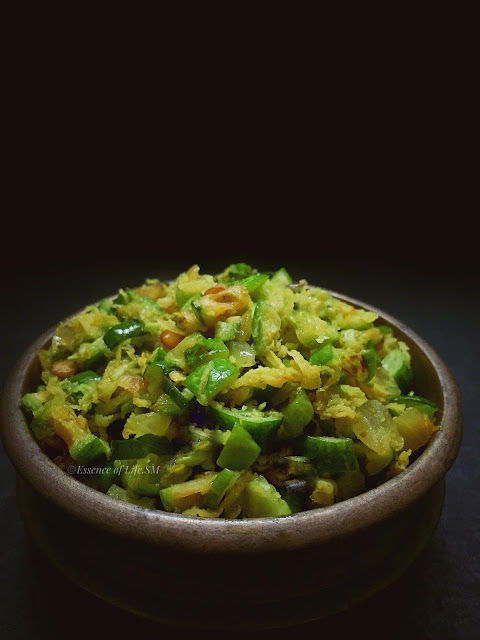
Close-up of fresh green Ivy Gourd (Kovakka) used in Kerala-style stir fry (Thoran)

Fresh Kovakka (Ivy Gourd) – Perfect for a Traditional Kerala Thoran


Kovakka Thoran (Ivy Gourd Stir Fry) – Kerala's Simple and Nutritious Stir-fry

    Ivy Gourd, also known as Scarlet Gourd, is a perennial climber that bears cucumber-like fruits. Originally domesticated in ancient India, this tropical vegetable thrives across Southern, Eastern, and Southeast Asia, as well as Africa and Australia. Ivy Gourd belongs to the Pumpkin family and is best known for its use in various traditional dishes, especially in Indian cuisine.

What is Ivy Gourd?

    Ivy Gourd, or Kovakkai in Tamil and Kovakka in Malayalam, is an aggressive climber with five-lobed leaves, white flowers, and small, green fruits. While its wild form can be found in various parts of Asia and beyond, it has been a staple in Indian kitchens for centuries. Known by different names like Tindora or Kundru in Hindi, Marathi, Konkani, Gujarati & Urdu. Donda Kaya in Telugu, and Tonde Kayi in Kannada, Ivy Gourd is used in many regional Indian dishes.

Ivy Gourd in Southeast Asian and Thai Cuisine

    In some cuisines, Ivy Gourd is enjoyed raw or pickled, making it a versatile ingredient. Southeast Asia cooking incorporates both the vegetable and its leaves into various dishes. Ivy Gourd is especially popular in Thai cuisine, where it is used in dishes like Kaeng Jued Tum Lueng, a clear soup made with Ivy Gourd leaves. Traditional Thai curries, such as Kaeng Khae and Kaeng Lieng, also feature this nutritious vegetable, highlighting its role in Southeast Asian culinary traditions.

Nutritional Benefits of Ivy Gourd

    This humble vegetable is packed with vitamins, minerals, and dietary fibre. Ivy Gourd is rich in beta-carotene, which is essential for heart health, and contains Vitamins B1 and B2, as well as calcium and iron. It’s no surprise that this vegetable is often used in traditional medicine for its health benefits, which include:

  • Reducing fever
  • Treating jaundice
  • Hydrating and detoxifying the body
  • Improving digestion and relieving constipation
  • Strengthening the immune system
  • Reducing the risk of diabetes and aiding weight loss
  • Relieves Osteoarthritis
  • Improves & strengthens the Hair     

Kovakka Thoran – A Simple Kerala Stir Fry Recipe

    In Kerala, Ivy Gourd is used to prepare Kovakka Thoran, is a quick and easy stir-fry, that’s perfect for a Kerala Sadhya (traditional feast) or a simple lunch. This dish features finely chopped Ivy Gourd, sautéed with spices and topped with freshly grated coconut.

Interested in Kerala Cuisine?  Find a wide range of Dishes & Recipes From God's Own Country - Kerala, here...


Cuisine - Kerala (South India)
Course - Side Dish
Spice Level - Low - Moderate
Difficulty - Easy
Serves - 4
Author - SM

Preparation Time - 5 -10 Minutes
Cooking Time - 5–7 Minutes


Delicious Kovakka Thoran Recipe – Easy Stir-Fried Ivy Gourd with Coconut


A bowl of Kerala-style Kovakka Thoran (Ivy Gourd stir fry) with coconut, onions, and spices

Kovakka Thoran Recipe – Delicious Kerala Style Ivy Gourd Stir Fry


Ingredients for Kovakka Thoran:

  • 2 Cups Ivy Gourd (Kovakka)
  • 4–5 Shallots, finely chopped
  • 2-3 Garlic cloves, crushed
  • 2 Green Chillies, sliced
  • ½ teaspoon Cumin Seeds
  • ¼ teaspoon Turmeric Powder
  • ¼ cup Grated Coconut
  • Salt, to taste
  • Sugar, a Pinch


For Tempering:

  • 1 Tablespoon Coconut Oil
  • ½ teaspoon Mustard Seeds
  • 1 sprig Curry Leaves
  • 1/4 Teaspoon Bengal Gram Dhal (Optional)


Method - Step-by-step guide on How to make Kovakka Thoran:

Prepare the Ivy Gourd (Kovakka)

  • Begin by thoroughly cleaning the Ivy Gourd (Kovakka). Wash and trim the ends, then finely chop the vegetable. Set it aside.

Chop Aromatics

  • Finely chop the shallots, green chillies, and garlic. This combination will add a lovely aroma and flavour to the dish.

Temper the Spices

  • Heat a pan with coconut oil (or your preferred vegetable oil). Once hot, add mustard seeds and allow them to splutter. Follow with Bengal gram (or urad dhal) and curry leaves for that authentic Kerala flavour.

Sauté Aromatics 

  • Now, toss in the chopped shallots, green chillies, and garlic. Sauté until the shallots become translucent, which helps build a fragrant base for the thoran.

Cook the Ivy Gourd

  • Add the finely chopped Ivy Gourd (Kovakka) along with a pinch of salt and a dash of sugar. Stir well, cover the pan, and cook briefly until the gourd becomes tender. 
  • This step ensures that the Ivy Gourd absorbs the flavours perfectly.

Finish with Coconut

  • Once the Ivy Gourd is cooked, add grated coconut to the pan and mix it thoroughly. 
  • Cook for a few minutes on low heat to allow the coconut to blend with the gourd and spices.

Serve and Enjoy

  • Kovakka Thoran is ready! Serve it hot with steamed rice and curry, or as a side dish in your next Kerala Sadhya (traditional feast).

Cooking Tips and Notes for Kovakka Thoran

  • Add Turmeric (Optional): Some people prefer adding a pinch of turmeric for extra colour and flavour.
  • No Onion-Garlic for Sadhya: Traditional Sadhya recipes sometimes omit onions and garlic, so feel free to skip these if you're making this for a feast.
  • Oil Preferences: While I’ve used coconut oil for an authentic taste, you can substitute it with any vegetable oil of your choice.

Looking for more authentic Kerala Thoran recipes? Explore Essence of Life - Food for a wide range of Thoran Recipes.

More Thoran Recipes to Try:

  • Cabbage Thoran
  • Cabbage, Carrot & Beans Thoran
  • Achinga Payar/Long Beans Thoran 
  • Carrot Thoran/Upperi
  • Cheera/Spinach Thoran 
  • Beetroot Thoran/Poriyal 
  • Vendakka/Okra Thoran
  • Pavakka/Bitter Gourd Thoran
  • Cheru Payar Parippu/Yellow Moong Thoran
  • Cheru Payar/Green Moong Thoran
  • Kovakka/Ivy Gourd Thoran
  • Padavalanga/Snake Gourd Thoran 
  • Mathanga/Yellow Pumpkin Thoran
  • Vazhakoombu/Plantain Flower Thoran 
  • Chena Thoran/Chena Upperi 
  • Chakkakuru Cheera Thoran
  • Raw Papaya Thoran
  • Vazhakoombu Vanpayar Thoran 
  • Avarakka Thoran/Upperi
  • Kothavarakka Thoran/Poriyal


From My Garden to Your Table: A Taste of Nostalgia with Kovakka Thoran

    Kovakka Thoran is more than just a dish for me; it’s a cherished memory from my backyard in India. We had a "Pandhal" fully covered with Kovakka creepers, providing us with a steady supply of this delightful vegetable. It was always a treat to harvest them, despite the occasional sting from the big ants that made me cautious every time I reached for a Kovakka.

    When the repetitive use of Kovakka became a bit mundane, I’d let the vegetable stay on the vine for a few days. This would allow the small green fruits to mature into the vibrant red "Kovaipazham," a term evocative of Tamil literature, often used to describe the alluring colour of a woman's lips. This sight was always a beautiful reminder of the vegetable's journey from garden to plate.

    In Malaysia, where Ivy Gourd isn’t commonly available in the market, I make sure to seize every opportunity to buy it whenever I spot it. Preparing this dish brings a piece of home to my kitchen, and I hope it brings as much joy to your table as it does to mine. 

    With its rich nutritional profile and ease of preparation, Kovakka Thoran is a must-try dish for those looking to incorporate more vegetables into their diet. Whether you're preparing a Kerala Sadhya or a simple meal, this Ivy Gourd stir-fry is sure to be a hit.  For more traditional Kerala recipes, don't forget to check out my Sadhya Recipe Collection and explore other mouth-watering dishes that you can easily whip up at home!

    Feel free to share your own experiences or variations of this recipe in the comments below. Happy cooking and enjoy this taste of Kerala!


HEALTH BENEFITS OF BLACK PEPPER
BLACK PEPPERCORNS

 BLACK PEPPER - THE KING OF SPICES - THE BLACK GOLD

    An indigenous Spice from "Gods own Country - Kerala". The history of Black Pepper has long written stories earning Kerala transnational fame. A history of its own which attracted seafarers in hordes at one stage in the history of Kerala for this priced BLACK GOLD. Black Pepper was such a desirable Spice that it is used for its varied Culinary and Therapeutical Uses. Since then, Black Pepper has become an inevitable ingredient in several Cuisines around the world.
    Black Pepper comes from the dried, unripe fruit of the plant Piper Nigrum. These Green Berries when ripe & dried turns out into Black Pepper alias Black Gold.  Whereas in the medieval period the Arabs, to maintain their Monopoly in Pepper Trade kept it as a trade secret and propagated a mythical story that the Peppers are grown in the Groves of trees in India in the mountains, guarded by poisonous serpents. In order to harvest the pepper, the trees have to be burned, driving the snakes away and in the process turning the fruit black.
    Commonly named as Peppercorns, but its native name calls it as 'Kurumulagu or Nalla Mulagu' - Milagu, Kali Mirch, Mira.  Peppercorns are indigenous to South India specifically Kerala and it founds its way throughout the world.  This Black Gold was once considered to be one of the most expensive spice and the term "Pepper Expensive" is used for the most expensive & prohibited items.
    Peppercorns have a wonderful aroma and an enticing warm, spicy flavour. The Peppercorns can be either added whole or ground into a variety of dishes, marinades and sauces. It's widely used in the Cuisines Around the World.     

      Black Pepper is called the "King of Spices" as it is an amazing spice traded around the world since ancient times.  Traded mainly for its desirable pungent nature. It is valued as a Spice and also as a Medicine.  Ground, dried and cooked Peppercorns have been used since antiquity, both for flavour and as traditional medicine. This spice has loads of Health Benefits.

  • Rich in Vitamin B and produces Calcium
  • It consists of Potassium that helps in regulating heart rate and high blood pressure.
  • Helps in producing red blood cells
  • Detoxifies your body
  • Cleanses your intestines and stomach
  • Prevents constipation
  • Prevents cancer
  • Prevents skin deformation & wrinkles
  • Helps in losing weight
    Black Pepper is a good source of Proteins, Vitamins & Minerals. It is also rich in antioxidants which help protect cells from damage.


TYPES OF PEPPERCORNS:

Black Peppercorns


    The most common variety of Black peppercorns are Ripe Green    Peppercorns that have then been left out to dry in the sun.  Enzymes in the berries cause the skin to turn black during the drying process.
    They have the strongest & the most pungent flavour. Freshly ground Peppercorns along with Salt are ideal for seasoning pretty much anything.  There are many varieties, including the Kerala Peppercorns which has a pungent and sharp taste; Brazilian Peppercorns have a harsh taste whereas the Indonesian variety has a citrusy note & it is mild compared to the other varieties.


Green Peppercorns

     
    Green Peppercorns are unripe Peppercorns picked at the same stage of ripeness as for Black Peppercorns.  But these are not allowed to dry.  Sometimes they are dehydrated which makes it more flavourful.
    Green Peppercorns are slightly spicy and aromatic, they’re great for flavouring sauces for meat dishes. Their flavour and spiciness are less concentrated than black peppercorns and are considered the least pungent of the peppercorns. Green Peppercorns are commonly preserved in brine or vinegar.


White Peppercorns


    White Peppercorns are the mature Peppercorns that are allowed to ripen to a red colour before being picked. After harvesting, they are soaked and then the outer skin is removed, revealing a smooth white underlayer. They are then dried and bleached under the sun.
     They have a fiery, but a less pungent taste.  White Peppercorns and White Pepper Powder are good for seasoning light coloured Dishes & Sauces. They are widely used in Asian Cuisine.  White Peppercorns serves the purpose by mildly spicing the dish with the required Peppery feel.


Red Peppercorns


    When Peppercorns are left to fully ripen on the vine they turn into a brilliant shade of red. Red Peppercorns are rare to find. Typically they are dried which develops a black coat or when the skin is removed from it what we get is White Peppercorns.
    Red Peppercorns are very expensive and are usually used in gourmet food.
Pink Peppercorns
Pink Peppercorns

    These aren’t actually Peppercorns. They come from the Baies rose plant imported from Madagascar. Pink Peppercorns are expensive. Pink peppercorns are pungent and slightly sweet with fruity and floral notes.
    They are not as flavorful as the real Peppercorns but still have a peppery bite, they also have  They’re best for garnishing. Pink Peppercorns are very delicate, so experts suggest crushing them in a spice grinder or with a knife rather than a pepper mill.


HEALTH BENEFITS OF BLACK PEPPER

HEALTH BENEFITS OF BLACK PEPPER
BLACK PEPPERCORNS

    Black Peppercorn is a potluck filled with not just the pungency but it caters a plethora of health benefits. Though it's a part of ancient Indian heritage, it plays a major role in Ayurveda and in Traditional Chinese Medicine too.  It is widely sued for its medicinal properties & culinary usage.

PREVENTS CANCER:

    Black Pepper is said to prevent cancer when it is mixed with Turmeric. You can consume it by mixing both Black Pepper Powder and Turmeric Powder into fresh Cow Milk. This is a traditional home remedy followed by Indian women folks to get rid of gold & Phlegm. Black Peppercorns consist of antioxidants, Vitamin A and Carotenoids that help in curing Cancer and other deadly diseases. 

AIDS DIGESTION:

    Black Pepper aids digestion. When you consume Peppercorns hydrochloric acid is released by the stomach and helps in breaking down the proteins. Hydrochloric acid helps in cleaning your intestines and prevents you from other gastrointestinal diseases. This is the main reason that most of the meat dishes are seasoned/marinated with Black Pepper Powder.

PREVENTS CONSTIPATION:

    Adding Peppercorns into your daily diet can help you relieve constipation. It also helps to prevent Colon Cancer, Diarrhoea and other intestinal bacterial diseases.

DETOXIFY YOUR BODY:

    Consuming Black Pepper helps to sweat and urinate a lot.  And thus it helps to discharge toxins from our body.  Alternatively, it also burns fat. It also flushes out the toxins, free radicals and dangerous fluids which are harmful to our body. It is a great blood purifier and removes excess urea, calcium and other toxins from the kidney.

TREATS URINARY DISORDERS: 

    Ayurveda uses Black Pepper in treating Urinary tract infections and disorders such as cystitis, nephritis, and gonorrhoea.  

AIDS WEIGHT LOSS:

  The phytonutrients present in the spice helps in breaking down excess fat and also helps to improve metabolism. Adding Pepper in your daily diet can help you lose weight.

TREATS RESPIRATORY DISEASES: 

    Black Peppercorns are one best spice when it comes to treating respiratory diseases like Cold, &Cough. Black Pepper is one simple ingredient used by Indian women folks as a Home Remedy to treat Cold, Cough and to get rid of Phlegm.

ASTHMA: 

    Black Pepper is found to be highly beneficial in treating Asthma, Whooping Cough and Bronchitis.

IMPROVES BLOOD CIRCULATION: 

    Regular consumption of Black Pepper improves Blood Circulation.  This reduces High Blood Pressure/Hypertension and also improves Cardio-vascular health.

REDUCES CHOLESTEROL: 

    The micronutrients in Black Pepper counteract with the surge of lipids in the body. The antioxidant enzymes help in controlling the cholesterol levels significantly.

REDUCES JOINT PAINS:

    Black Pepper has medicinal properties that can alleviate joint pains & arthritis.  It also helps to prevent Gout.  

TREATS DEPRESSION:

 Chewing Raw Peppercorns helps to release mood-inducing chemicals to the brain that will keep your mind calm and soothing.  It has proven beneficial in elevating one's mood and also helps in treating Depression.

MEDICINAL PROPERTIES - BEAUTY

     Consuming this spice in the raw or cooked form are both good enough for your daily diet that will benefit your body and most importantly rejuvenate your skin.  

SKIN ALLERGY:  Due to its antibacterial properties, it is used as an antiseptic to treat skin problems.

SKINCARE:  Black Pepper helps in removing blemishes from the skin and also improves the complexion. It also flushes out the toxins, free radicals and dangerous fluids which are harmful to our body, thus providing a clearer skin.
PREVENTS SKIN PIGMENTATION: Black Pepper protects the skin from any sort of skin pigmentation like Vitiligo where your skin appears to have white patches. It prevents skin pigmentation and also helps maintain the original colour of the skin.
PREVENTS WRINKLES & AGING SPOTS: Consuming Black Pepper from a very young helps to prevent Wrinkles and skin problems.age. It also prevents premature ageing and dark spots too.
TREATS ACNE: Black Pepper helps to flush away the intoxicants from the body and also helps to smoothen the skin.
HAIR CARE: Anti-oxidative properties in Black Pepper provide nourishment to the scalp and hair follicles. Antibacterial properties prevent the scalp from infections and irritation. It also proves to be beneficial in treating Dandruff. Black Pepper strengthens the roots and prevents hair loss. It also provides shine and lustre to the hair.


CULINARY USES:

      Peppercorns can be used in whole or in ground form in a variety of dishes. Freshly ground Peppercorns has a strong, unique spicy-sweet taste and they are more aromatic. Most recipes call for Black Peppercorns. It is one major component in most of the Spice Mixes too.  It's widely used in Spicy dishes, Marinades, Sauces & Soups.  It is also used while in beverages like Tea and Coffee.
  • Peppercorns are one of the main ingredients in Garam Masala Powder & Kitchen King Masala, a combination of spices used in both vegetarian and non-vegetarian dishes in Indian Cuisine. It is also used in the preparation of Curry/Masala Powders, Rasam Powders and Spice Mixes commonly used in Indian cooking.
  • Sukku Malli Coffee - a native brew prepared with ground Dry Ginger, Coriander Seeds, Peppercorns, Cloves & Cardamoms and then served sweetened with Palm Sugar is one beverage with a rejuvenating nature and loads of health benefits aiding digestion of the food side by side.  A simple tea prepared with freshly ground Peppercorns,  sweetened with Honey and served with a dash of lime is one best home remedy to relieve Cold, Flu and Sore throat. 
  • Black Pepper Tea - Ground Pepper Powders can be added to tea or coffee to impart a pleasant and soothing effect. It serves as a good home remedy for sore throats, cold & flu.
  • Turmeric & Black Pepper Milk - A drink prepared by mixing Pepper Powder & Turmeric Powder to Milk is one good home remedy to get rid of Cold & Phlegm.  It also has proven benefits in preventing Cancer.
  • Black Peppercorns are mainly added to Biriyanis & Pulaos, Indian Stews, Curries, Kormas, Dhals, Kebabs, Cutlets etc.,  It enhances the flavour of the dish along with other spices.
  • Peppercorns can be used while making Non-Vegetarian Curries like Kerala Style Pepper Chicken, Chettinad Chicken Kuzhambu, Kongu Style Mutton Kuzhambu, Chicken Pepper Fry, Pichu Potta Kozhi, Nattu Kozhi Kuzhambu etc., & etc.,
  • Peppercorn is one main ingredient in South Indian Rasams.
  • Thandai Masala Powder a combination of homemade sweet drink uses Peppercorn as one ingredient in it.
  • Ground Pepper Powder can be used to flavour foods like Soups, Patties, Stews, Purees, Sauces etc.,
  • Whole Peppercorns & Pepper Powder can be used in Rice dishes like Ven Pongal, Fried Rice.
  • Black Peppercorns. Pepper Powder can be used in the marinades while grilling Chicken or Lamb.  Black Pepper Powder enhances the flavour of Tandoori Chicken, Buttermilk Fried Chicken, Honey Roast Chicken etc.,

HOME REMEDIES WITH BLACK PEPPER: 

Cold & Cough:

  • Black Pepper Tea - Make a simple concoction by adding 1/2 Tspn of Black Pepper Powder & boil it, can also add Ginger/Dry Ginger to it, sweeten it with honey & drink this Black Pepper Tea hot.
  • Turmeric & Pepper Powder Milk - Add 1/2 Tspn of Black Pepper Powder & a pinch of Turmeric to fresh Cow Milk and boil it. Consume it hot or lukewarm for best results.  This drink is best to get rid of Cold and Phlegm.
  • Black Pepper Powder & Honey - Add a teaspoon of Pepper Powder to 1 Tablespoon of Honey.  This is one best home remedy to get rid of Cough and also helps to prevent Chest congestion.
  • Use Black Pepper & Black Pepper Powder in your dishes for a daily of Black Pepper in your diet.  Especially during Winter, it is best to induce Black Pepper in your daily diet which can help you stay healthy and prevent yourself from different diseases.

For a detailed Recipe on HOW TO MAKE PEPPER POWDER, click here...


NOTES :

    Black Pepper is a wonder spice.  It can be used as a standalone Spice or used along with other spices. Compared to other Spices, Black Pepper tends to retain its flavour & aroma even after a long time of storage. Buy dry Black Peppercorns free from moist or any white patches. Store them in airtight containers in a cool, dry place away from sunlight to extend its shelf life. And use freshly ground Black Pepper for the best of flavour & aroma.
________________________________________________________________________________

*DISCLAIMER:

Please remember these options are only meant as guidelines and in no way replaces the advice or treatment provided by your medical practitioner. It is always good to seek the advice of your physician for professional advice in any matter related to your health. This is for information purposes only.


SHOP RELATED PRODUCTS:


BEVERAGES
SUKKU MALLI COFFEE/ CHUKKU KAAPI/DRY GINGER TEA


    Sukku/Chukku in Tamil/Malayalam means Dry Ginger and Malli means Coriander Seeds and hence the name of this Beverage Sukku Malli Coffee.  Well, it is always said as Coffee though the traditional beverage doesn't have any Coffee in it. As a kid, I should say that I have never tasted this concoction, but always knew there existed something called Sukku Malli Kaapi from a monotonous Radio Advertisement which flaunted the taste, aroma and benefits of this Chukku Kaapi.
    Even I have fond memories deciphering the name of this concoction into a similar colloquial word which made it sound funny then.   Even my kids laughed when a vendor who sells this Sukku Kaapi near Nehru Stadium Ground shouted out Sukku Kaapi... Sukku Kaapi... Not to mention it now...  If anybody out there can relate the word, fine!
    My acquaintance with this beverage was when my Husband bought a pack of this Sukku Malli Coffee from Isha Yoga Center in the early 2000s when he was doing a Project for them.  I and my MIL loved this beverage and since then we always stocked up Sukku Malli Coffee at home.  Long forgotten and left alone, when recently my doctor said I have to reduce Coffee consumption😞 Just a Cup of Coffee a day, should I reduce it anymore, I am giving a second... no third... no hundredth thought whether I should quit(NO WAY!!! I already know...) I even have started drinking Moringa Tea in the Evenings. Thought, maybe... I can give a try by making this Sukku Malli Kaapi.  Now my question is whether I should add Coffee in it or not.  Sugar? Anyway, I always drink Coffee without Sugar. 
    There goes my reason for a new batch of freshly ground Homemade Sukku Malli Coffee Powder.

Cuisine - South Indian
Recipe Type - Beverage
Difficulty - Medium
Author - SM   


Preparation Time - 5 Minutes
Cooking  Time - 5 - 10 Minutes
Brewing Time - 5-10 Minutes


HOW TO MAKE SUKKU MALLI COFFEE/ CHUKKU KAAPI/DRY GINGER TEA POWDER

BEVERAGES
SUKKU MALLI COFFEE POWDER

    The traditional recipe calls for Dry Ginger & Coriander Seeds, there are few optional addons like Peppercorns, Cumin, Cardamoms & Cloves.  And this Chukku Kaapi is usually sweetened with Palm Sugar/ Jaggery that adds to the wellness quotient of this time-tested beverage.  
     
    Sukku Malli Coffee is loaded with health benefits.  Anti-inflammatory properties present in the ingredients help clear and soothe your throat and also aids digestion. Ya, I forgot to say it even aids in Weight Loss. It also serves as a good home remedy for Sore Throat & Cold. If you are seeking for a Caffeine free beverage then this Chukku Kaapi is a great choice. If at all you need a bit of Coffee Flavour in this drink then opt for adding Blended Coffee Powders rather than Instant Coffee Powders. Boil a teaspoon of this Homemade Sukku Malli Coffee Powder in 1 Cup of Water add Jaggery/Palm Sugar to sweeten it, strain it and there you go with a rejuvenating flavourful healthy drink. You could drink this as a cold beverage but the curative properties of Chukku Kaapi work best when it's served hot. It's also a preferred beverage in cold weather. On a rainy day - a cup of this hot-hot Sukku Malli Coffee and a crispy savoury snack of your choice is one wonderful combination for the weather.


BEVERAGES
INGREDIENTS FOR SUKKU MALLI COFFEE

INGREDIENTS:

Sukku Malli Coffee Powder:

Coriander Seeds - 2 Tablespoons
Black Peppercorns - 1 Tablespoon
Cumin Seeds - 1 Tablespoon
Green Cardamom - 3 Pods
Cloves - 3 Nos.
Dry Ginger(1" Piece) - 2 Nos.(Do not Dry Roast)


METHOD:

  • Dry roast all the ingredients except Dry Ginger on a very low flame until the spices splutter & turns fragrant. 
  • Care should be taken not to burn the ingredients, which will totally spoil/alter the taste of this beverage.
  • Switch off the flame and let it cool.

 DRY ROASTING THE INGREDIENTS

BEVERAGES
DRY ROASTING FOR SUKKU MALLI COFFEE

  • Carefully cut the Dry Ginger into small pieces.
  • Add in the Dry Ginger pieces along with the other ingredients into small mixer jar/coffee grinder.
  • Grind all the ingredients together into a coarse/fine powder. 
  • Store Sukku Malli Coffee Powder in an airtight container.
  • Stays good up to a month @ room temperature.


HOW TO MAKE SUKKU MALLI COFFEE/ CHUKKU KAAPI/DRY GINGER TEA POWDER

BEVERAGES
SUKKU MALLI COFFEE/ CHUKKU KAAPI/DRY GINGER TEA

INGREDIENTS:

For Sukku Malli Coffee/Chukku Kaapi:

Sukku Malli Coffee Powder - 2 Teaspoons
Water - 1 Cup  
Jaggery/Palm Sugar - To Taste


How to make Sukku Malli Coffee/Chukku Kaapi:

  • Heat 1 Cup of Water along with a few teaspoons of the Sukku Malli Coffee Powder. 
  • Bring it to a boil. 
  • Once it comes to a boil, remove from heat and mix in a teaspoon of jaggery/palm sugar.
  • Strain the Sukku Malli Coffee & Serve hot.
BEVERAGES
SUKKU MALLI COFFEE/ CHUKKU KAAPI/DRY GINGER TEA

NOTES:

  • The traditional recipe calls for Dry Ginger & Coriander Seeds as main ingredients.
  • Add rest of the ingredients to suit your preference.
  • Dry roast the ingredients on a very low flame until it splutters and turns fragrant.
  • Care should be taken while dry roasting the ingredients.
  • Do not Dry Roast DRY GINGER. 
  • Can grind it into a fine/coarse powder. You can even sift the ground powder if you prefer not to strain while making this Sukku Malli Coffee.
  • I usually make this Sukku Malli Coffee Powder in small batches.  This way it retains most of its flavours and aroma.
  • Add any preferred sweetener. Can serve this Chukku Kaapi without any sweeteners too.
  • Tastes and serves best with its curative properties when served HOT.


Newer Posts Older Posts Home
Search Essence of Life - Food

I Me Myself

A vintage-style horizontal oval frame showcasing ornate silver spoons on a dark rustic surface

Essence of Life - Food is all about daily cooking with a simple sense of taste and health. It is all about food. Not a day goes by without eating for most of us, so what we eat matters on the whole. Food in the mode of goodness increases the duration of life, purifies one's existence, and gives strength, health, happiness, and satisfaction. Above all ingredients, the most vital one in my kitchen is love.

Sm @ Essence of Life - Food

Popular Posts

  • Kizhi Parotta: Kothu Parotta and Salna Wrapped in Banana Leaves
  • Traditional Olan Recipe - A Kerala Classic from Madhya Thiruvithamkoor
  • Authentic Ambur Vaniyambadi Chicken Biryani Recipe (Traditional Tamil Nadu Style)
  • Avalose Unda Recipe – Traditional Kerala Sweet Made with Avalose Podi
  • How to Make Kerala Kanji | Traditional Rice Porridge with Payar, Chammanthi & Achar

Labels

AROUND THE WORLD BAKING BEVERAGES BIRIYANI & PULAO BREAKFAST CURRIES DESSERTS FROM GODS OWN COUNTRY From My Family's Kitchen - Heirloom Recipes GLOSSARY HOW TO... KERALA PALAHARAM KONGU CUISINE KUIH MUIH MALAYSIAN CUISINE MIDDLE EASTERN CUISINE Manvasanai - Flavours from Tamil Soil PICKLES RICE DISHES ROTIS SADHYA SNACKS & SAVOURIES SOUPS SPICE POWDERS TIFFIN ITEMS VIRUNDHU WINES eBook
Ebook - What I Cook - For Onam

Ebook - “What I Cook - For Onam”

Amazon.com/dp/B0CGPVY6J3

Indulge in Kerala’s Culinary Heritage: Traditional Onam Sadhya Recipes, with Expert Serving Tips! Celebrate Onam the authentic way! Discover 25 timeless Kerala Sadya recipes in my ebook. From avial to payasam, bring home the flavours of tradition. Available now on Amazon!

Essence of Life

Subscribe & Follow

© 2026 | Essence of Life - Food

  • Home
  • Ask First
    Please note that all rights for the photographs and texts on this blog, unless otherwise mentioned, rests with the author. Please do not use without permission.
  • Privacy Policy