Essence of Life - Food
  • Home
  • From My Kitchen
    • Heirloom Recipes
    • From God's Own Country
    • Sadhya
    • Kongu Cuisine
    • Chettinaad Cuisine
    • South East Asian
    • Around the World
  • Ebook
  • I Me Myself
A close-up of Varutharacha Inji Curry being served from a traditional ceramic bharani with a spoon, showing the rich jammy texture.

The Legendary 1000 Curry: Varutharacha Inji Puli


"Authentic Sadhya Style Varutharacha Inji Puli (ഇഞ്à´šി à´ªുà´³ി)Recipe" 

If the legendary scholar Vararuchi accepted a single ginger condiment as a substitute for a thousand curries, it was surely the Inji Curry. Unlike simpler versions, this version of traditional Kerala Inji Puli specifically cooked for Sadhyas, involves shallow-frying fresh ginger, green chillies, and curry leaves in coconut oil before coarsely pounding them into a fragrant, Inji Curry. It is a classic combination of sour, sweet, and spicy notes that rejuvenates the palate instantaneously. Whether you are preparing a grand Onam/Vishu Sadhya or looking for the perfect companion for Paal Kanji, this Sadhya Style Puli Inji recipe is an absolute must have. 


A Fable of a Thousand Curries and a Mother-in-Law’s Diary

    There is a famous fable in Kerala about Panjami and Vararuchi. When asked to prepare a meal with a thousand curries, she served Inji Puli or was it Inji Thayir? While the legend doesn't specify if she made the quick version or this rich Varutharacha style, in my kitchen, this one takes the limelight when I am in mood for a bit of extravagance. 

    This recipe is deeply personal. Years ago, my Mother-in-Law (MIL) jotted this down from a TV show, and I have kept her handwritten transcript tucked away in my Recipe Diary ever since. Every time I smell the ginger turning crispy in coconut oil, I am reminded of her beautiful handwriting and the way she valued these "Extraordinary" flavours.

What is Varutharacha Inji Curry?

    In literal terms, Varutharacha translates to Fried (Varuthu) and Ground/Pounded (Aracha). In this authentic Kerala method, the fresh ingredients are shallow-fried in coconut oil until crispy before being coarsely pounded to maintain a signature texture.

    This technique is a trademark of traditional Kerala wedding cooks, colloquially known as Dahannakaran. By frying the ginger and chillies first, they ensure the Inji Puli stays fresh, aromatic, and rich for a much longer time. Roasting the ingredients doesn't just extend the shelf life; it infuses the Varutharacha Inji Curry with a deep, smoky note that is far more complex than a standard Puli Inji.

Love this recipe? You might also enjoy the version I grew up with. Discover the raw, tangy notes of Amma’s Authentic Palakkadan Inji Puli and find your favorite style!


A handwritten recipe for Inji Curry in Malayalam script by Omana Jacob, detailing the "Varutharacha" method of frying ginger and chillies for Inji Puli.

Handwritten transcript of Varutharacha Inji Puli by my Mother-in-Law.


Why You Will Love This Recipe

  • The "Varutharacha" Flavour: Frying the ingredients first removes the raw sharp edge and replaces it with a rich roasted aroma.
  • The 1000-Curry: It acts as a powerful digestive, perfect for heavy feast days.
  • Heirloom Recipe: A recipe rescued from a handwritten family diary.
  • Versatility: While it's a "must-have" for a banana leaf Sadhya meal, it's just as heavenly with simple Curd Rice or Kanji (Rice Porridge).
 

Recipe Overview

  • Cuisine: Kerala (South Indian)
  • Recipe Type: Condiment / Side Dish
  • Yields: 1.5 to 2 Cups
  • Difficulty: Easy
  • Author: SM @ Essence of Life - Food

Time Estimate

  • Preparation Time: 10 Minutes
  • Cooking Time: 30 Minutes
  • Total Time: 40 Minutes


"Ready to cook a grand Grand Kerala Sadhya? Explore more Onam/Vishu Sadhya Recipes here... and bring the authentic taste of tradition to your banana leaf."


How to Cook Varutharacha Inji Curry (Step-by-Step Guide)

An annotated photo of the prepared ingredients for Varutharacha Inji Curry: fried ginger, chopped green chillies, curry leaves, tamarind paste, and liquid jaggery, arranged on a dark board.

Ingredient guide for Kerala Style Varutharacha Inji Puli

Ingredients for Varutharacha Inji Curry

To Fry and Pound:

  • 1/2 Cup Fresh Ginger (cleaned and sliced thin)
  • 3-4 Green Chillies (slit)
  • A sprig of Curry Leaves
  • 1 Tbsp Coconut Oil

For the Inji Curry:

  • 1/2 Tsp Turmeric Powder
  • 1 Tsp Red Chilli Powder
  • 1/4 Tsp Fenugreek Powder (Roasted & Ground)
  • 1/8 Tsp Asafoetida (Kayam) Optional
  • 2 Tbsp Thick Tamarind Paste
  • 1.5 Tbsp Jaggery (adjust to taste)
  • Salt to taste

For the Tempering:

  • 1 Tbsp Coconut Oil
  • 1/2 Tsp Mustard Seeds
  • 1-2 Dry Red Chillies
  • A sprig of Curry Leaves 
A flat-lay photo showing prepped ingredients—fried ginger, chopped green chillies, curry leaves, tamarind, and jaggery—arranged on a black board next to an open handwritten recipe diary in Malayalam script.

Varutharacha Inji Curry - Ingredients and original recipe


Method - Detailed Cooking Instructions

Step 1: Preparation & Roasting

  • Dry roast the fenugreek seeds on a very low flame until they splutter and turn aromatic. Grind into a fine powder and set aside. 
  • Clean and slice the ginger into thin round slices.
  • Slit the Green Chillies. 

Step 2: The "Varutharacha" Secret

  • Heat 1 tablespoon of coconut oil in a pan. 
  • Fry the ginger slices until they are golden brown, fragrant, and slightly crispy. 
  • Follow suit with the slit green chillies and curry leaves. 
  • Once cooled, coarsely pound or pulse them in a small blender jar.  
Pro Tip - Do not make a smooth paste; we want texture!

Step 3: The Tempering

  • In the same pan (add a splash more oil if needed), splutter the mustard seeds, dry red chillies, and curry leaves. 
  • Add the fenugreek powder and asafoetida, giving it a quick stir.

Step 4: Building the Flavours

  • Add the pounded ginger-chilly mix back into the pan. 
  • Stir in the turmeric and red chilli powder on a low flame, so the spices don't burn.

Step 5: The Simmer

  • Add the tamarind paste and salt with a sprinkle of water. 
  • Allow it to boil, then reduce the flame and stir in the jaggery. 
  • Let it simmer until the oil separates and the curry reaches a dark, jammy consistency.

top-down view of dark, Varutharacha Inji Curry inside a traditional brown and white ceramic jar (Bharani) garnished with a fresh sprig of fried curry leaves.

Traditional Kerala Inji Puli - Varutharacha Inji Curry


Pro Tips and Notes

  • The Texture Rule: Ensure the ginger is pounded coarsely. Those little bits of fried ginger add texture to this Inji Curry.
  • The Balance: Jaggery isn't just for sweetness; it balances the tartness of the tamarind. Always taste at the end!
  • The Cooking Vessel Rule: Avoid cooking this recipe in iron woks, copper, or bronze vessels. The high acidity of the tamarind reacts with these metals almost instantly. If you must use them, transfer the Inji Curry to a glass or ceramic bowl immediately after turning off the heat. Leaving it in the pan for even ten minutes can impart a harsh, metallic "irony" taste that spoils the delicate balance of jaggery and ginger.


Serving Suggestions

  • Traditional Sadhya: Serve a small dollop in the bottom left corner of your banana leaf.  This versatile dish beautifully complements various meal settings. This recipe effortlessly fits into a traditional Sadhya spread, adding a tangy and spicy dimension to the festive Vishu/Onam Sadhya.
  • My personal Favourites: Pairs beautifully with Paal Kanji (Coconut milk rice porridge) or Curd Rice. So simply serve it with Kanji (Rice Porridge)
  • Everyday Lunch: A fantastic companion for rice and any Moru Curry - buttermilk based curries or Sambar.

Storage Suggestions

Proper storage is the secret to keeping Inji Puli fresh and flavourful. Because it is essentially a cooked preserve, much like a traditional pickle. Its shelf life depends heavily on the moisture content and the oil used.
  • Room Temperature: If cooked properly (until the oil separates) and kept in a cool, dry place, it can stay fresh for up to a week or even 10 days. To ensure this, always use an extra bit of oil during the final stage of cooking and strictly use only a clean, dry spoon for serving.
  • Refrigerator: This is the most reliable method. Stored in an airtight glass jar, it stays perfectly fresh for up to a month.
  • Freezer: For long-term preservation, you can freeze Inji Puli for 3 months to a year. It holds its flavour remarkably well. When you’re ready to use it, simply thaw the required portion and reheat it gently with a tiny splash of water to restore its jammy consistency.

Storage Container:

  • Use only Glass, Porcelain, or Ceramic jars for long-term storage.
  • The "No-Metal" Zone: Avoid using steel, aluminium, or copper containers for storing. Over time, the acidic nature of the tamarind and salt will start "pitting" the metal and react with the condiment. A traditional Bharani (ceramic jar) is the most apt one!

FAQs

Q: Why fry the ginger & green chillies first? 

  • It removes the raw "bite" of the ginger and adds a roasted, deep flavour profile unique to this style. And it stays fresh for a longer time - longer shelf life.

Q: Can I use tamarind water instead of paste? 

  • Yes, just use very thick tamarind extract and simmer it longer to reach the desired thickness.

Q: Can I use white sugar or cane sugar instead of jaggery?

  • While you can use cane sugar as a substitute, Jaggery (Gud/Sarkara) is traditional used which provides a deep, earthy, and sweetness that balances the sharp acidity of the tamarind in a way that refined sugar cannot. If you want that authentic Sadhya Style dark, jammy glaze and complex flavour profile, jaggery is the essential choice. If you must use a substitute, dark brown sugar is the next best option to mimic that molasses-like depth.

Q: Is this dish spicy? 

  • It has a kick from the ginger and chillies, but the jaggery and tamarind mellow it out into a balanced condiment.

Recipes You Might Like 

  • Traditional Sadhya Sambar
  • Sadhya Madhura Curry
  • Palakkad Matta Rice Kanji, Payar, Chammanthu & Pappadam

"Love this recipe? There are hundreds more waiting for you! Discover more culinary treasures from God’s Own Country here…"


A detailed close-up shot looking inside a traditional ceramic Bharani (jar) filled with dark, jammy, glistening Varutharacha Inji Curry, garnished with a single sprig of fried curry leaves, highlighting the coarse texture of fried and pounded ginger.

Authentic fried and pounded texture of Kerala style Inji Curry (ഇഞ്à´šി à´ªുà´³ി).


Sadhya Speciality 

Whether it’s a grand celebration or a simple midweek meal, this Varutharacha Inji Curry brings a touch of tradition and a burst of legendary flavor to your table. This Sadhya style Inji Puli recipe is a tapestry of folklore, nostalgia, and family love, which is surely going to be a great addition to your Onam/Vishu Sadhya.

Planning your own grand feast and feeling a bit overwhelmed? Don't worry, I’ve got you covered! Grab my ebook What I Cook for Onam for a complete guide to a traditional, stress-free Sadhya that tastes just like home."

Happy cooking!


A rustic serving of Inji Thayir Pachadi with fresh ginger, curry leaves, and yogurt in a brass spoon.

Refreshing Inji Thayir Pachadi - A Perfect Blend of Ginger & Yogurt


"Inji Thayir Pachadi Recipe – Kerala's Ginger & Yogurt Side dish for a Perfect Onasadhya"


    Onam is one of Kerala's most beloved festivals, and the celebrations start today with Atham, the first day of Onam. The ten-day countdown to Thiruvonam has officially begun, bringing with it the preparation of a grand feast – the Onasadhya. This year, I’m adding some special recipes to make your Onasadhya even more delightful. Stay tuned for updates on essential dishes you’ll want to include in your Sadhya Vattom.

    Let’s kick off with a unique dish from Kerala’s culinary tradition: Inji Thayir (Ginger & Yogurt Pachadi), also known as 1000 Curry. This simple yet flavourful quick-fix dish will enhance any feast and is an absolute must-have from the Valluvanad region. Read on to find out why this dish is special, how to prepare it, and the fascinating legend behind the name!

What is Inji Thayir - A secret to perfect Onamsadhya?

    Inji Thayir, or Inji Pachadi, is a refreshing side dish made with ginger, green chillies, curry leaves, and curd (yogurt). It’s commonly served at Sadhyas, particularly during Onam, as it balances the heavy, spicy dishes in the feast. Its cooling properties and unique taste make it stand out on any banquet table.

    Interestingly, this dish shares its name with the more famous Inji Curry/Inji Puli, and both are sometimes referred to as Aayiram Curry – a "1000 Curry" due to their significance in Kerala’s culinary heritage.

The Legend of 1000 Curry – A Tale from Ancient Kerala

    Kerala’s rich food traditions are often steeped in folklore, and Inji Thayir is no exception. According to legend, Vararuchi, a Brahmin scholar, would travel extensively and rely on the generosity of Brahmin households for meals. During one such journey, he encountered a family and was impressed by their daughter, Panjami. Before proposing marriage, he tested her wit by asking her to prepare a meal with 1000 curries. Naturally, her mother was initially flustered, but Panjami, wise beyond her years, prepared just one dish: Inji Curry.

    Vararuchi was so impressed with the balanced flavours and simplicity of the dish that he declared it equivalent to 1000 curries. From that day, Inji Curry became known as Aayiram (1000) Curry. Inji Thayir, made with similar ingredients, shares this legacy and is celebrated in its own right as a Sadhya favourite.

Why is Inji Thayir Important in Onasadhya?

    In an Onasadhya, which often includes over 20 different dishes, the balance of flavours is the key. Inji Thayir stands out for its digestive properties, helping to ease the heaviness of a large feast. Ingredients like ginger and yogurt aid digestion, making this dish an important component of any well-balanced Sadhya. The combination of these simple ingredients brings harmony to the palate and offers a refreshing contrast to the rich and spicy main dishes.


Cuisine - Kerala
Course - Side dish
Spice Level - Medium
Difficulty - Easy
Serves - 3–4
Author - SM

Preparation Time - 5-7 Minutes


"Quick-fix Inji Thayir Recipe – How to Make Kerala's 1000 Curry (Ginger Yogurt Pachadi)"

Close-up of creamy Inji Thayir Pachadi served in a brass spoon alongside ginger slices and curry leaves.

Classic Inji Thayir -  Kerala's Ginger-Yogurt Side Dish


Ingredients for Inji Thayir (Ginger Yogurt Pachadi)

  • 2 Tablespoons Ginger, finely grated or chopped
  • 1 Green Chilli, finely chopped
  • 3/4 Cup Thick Curd
  • A Sprig of Curry Leaves, chopped
  • Salt, to taste
  • A Pinch of Sugar

Method

  • Prepare the Ingredients: Finely grate or chop the ginger. Chop the green chilli and curry leaves.
  • Mix Together: In a mixing bowl, combine the grated ginger, chopped green chillies, and curry leaves.
  • Add Curd: Whisk the thick curd and pour it over the ginger mixture.
  • Season: Add salt and a pinch of sugar, then mix everything well.
  • Serve: Your Inji Thayir is ready to be served. Enjoy it with rice or as a side dish in your Sadhya.

Notes & Tips for the Perfect Inji Thayir:

  • I prefer using finely chopped ginger pieces for added texture.
  • No Cooking/Tempering Needed: This is a raw dish, so there’s no need for tempering or cooking.
  • Don’t Reheat: Avoid reheating this dish, as it may cause the curd to curdle and become watery.
  • Storage Tip: Refrigerate any leftovers. Inji Thayir tastes great when served cold, making it a perfect refreshing side dish.

Inji Thayir Pachadi served in a brass spoon with ginger slices, curry leaves, and a rustic wooden background.

Classic Inji Thayir Pachadi - Ginger and Yogurt Sadhya Side


Why You’ll Love This Recipe

  • Quick & Easy: No cooking or tempering is required.
  • Digestive Benefits: Ginger is known for its digestive properties, perfect after a heavy Sadhya meal.
  • Cooling: Curd adds a refreshing, cooling effect.
  • Minimal Ingredients: You can whip this up with ingredients you likely already have at home.


Why Include Inji Thayir in Your Sadhya?

    The secret to a successful Onasadhya is balance. With over 20 dishes often served in a Sadhya, Inji Thayir offers a cooling, digestive-friendly option that helps balance out richer, heavier dishes. The ingredients—ginger, curd, green chillies, and curry leaves—create a harmonious flavour profile that complements every element of the feast.

More Sadhya Recipes to Explore:

  • Authentic Kerala Avial
  • Paalada Payasam – A Classic Dessert
  • Palakkad-Style Kootu Curry

Click on the links for more traditional Sadhya Recipes from different regions of Kerala!

    Inji Thayir is a simple yet powerful dish that adds a much-needed refreshing element to your Onasadhya. Whether you're preparing a full Sadhya or just looking for a quick side dish, this Ginger Yogurt Pachadi is a must-try. The minimal ingredients and no-cook method make it a go-to recipe for any occasion.


Palakkad Style Olan made with vibrant orange pumpkin and green beans, served in a bowl, with fresh pumpkin pieces on the side.

Traditional Palakkad Style Olan Recipe – Yellow Pumpkin and Green Beans in Creamy Coconut Milk


"Palakkadan Olan  (à´ªാലക്à´•ാടൻ ഓലൻ) – A Simple, Creamy Kerala Dish for the Perfect Sadhya"

Discover the authentic Palakkadan Olan (à´ªാലക്à´•ാടൻ ഓലൻ) recipe, a staple of ready for Kerala Vishu 2026 Season. This mild, creamy dish features yellow pumpkin and long beans simmered in luscious coconut milk, finished with the earthy aroma of fresh curry leaves and coconut oil. Perfect for those seeking a traditional, gluten-free, and vegan Kerala side dish that balances the bold spices of a festive feast.

    Olan is one of the simplest yet essential dishes in traditional Kerala cuisine, specifically a vital component of the grand Onam Sadhya. It’s known for its mild flavours, making it the perfect companion for enhancing the taste of other vibrant dishes in a Sadhya spread. Unlike heavily spiced dishes, Olan boasts a creamy texture, subtly enriched by the natural sweetness of yellow pumpkins and ash gourds, with a luscious touch of coconut milk. Whether it’s served during festive occasions or enjoyed as a side dish for a regular meal, Olan always hits the spot. 

    Olan is the understated elegance of a Kerala meal. While the Sambar is bold and the Inji Puli is sharp, Olan is there to soothe the palate. In my kitchen, Olan isn't just a recipe; it's a testament to how the simplest ingredients, vegetables, salt, and coconut can create something profoundly comforting. 

History and Origin

    Historically, Olan belongs to the heart of Kerala’s agrarian culture. It relies on "native" gourds like Ash Gourd (Elavan) and Mathan (Pumpkin) which grow abundantly in backyard gardens. While South Kerala versions often include red cowpeas (Vanpayar), the Palakkad style, often focusing on two simple ingredients - yellow pumpkin and long beans. 


Variations of Olan

Madhya Thiruvithamkoor style Olan in a coconut bowl, featuring cowpeas, red beans, ash gourd, and pumpkin, cooked in creamy coconut milk.

Madhya Thiruvithamkoor Style Olan

  • Madhya Thiruvithamkoor Style: In the regions of Kottayam, Pathanamthitta, Alappuzha, and parts of Kollam and Idukki, Olan is made using ash gourd, yellow pumpkin, and cowpeas or red beans with a generous amount of coconut milk.

    "Try the Madhya Thiruvithamkoor Style Olan for a different take". 

  • Palakkad Style: This version, which we’ll explore today, is slightly different. It skips the cowpeas and focuses solely on yellow pumpkins, ash gourds (though many households omit this too), and long green beans. Cooked with slit green chillies and laced with fresh coconut milk, it’s a masterclass in simplicity.  In some cases, the dish is even made without coconut milk, making it a simpler yet equally delicious option (when cooked for a weekday lunch).

My Nostalgia: A Handiwork of Love

    My most vivid memory of a full Onam Sadhya (à´“à´£ം സദ്à´¯) is set in a small, serene village in Palakkad (Palakkadu Kukgramam), a rare, once-in-a-lifetime experience at my grandmother’s house that remains etched in my mind.

    However, when it comes to the "best" Olan, it always leads back to my Mom. In our home, Olan wasn't just for grand festivals; it was a celebration of what was fresh. Whenever we had a batch of Mathanga (Squash) and a lucky handful of long beans, Mom would whip this up for lunch. What makes a Sadhya at our home truly special, though, is the handiwork of both my Mom and Dad working side-by-side in the kitchen. That partnership is the secret ingredient in every bowl I make today. And I hold those memories close to my heart!

Planning your Vishu Feast? Check out my Sadhya Planning Guide for more heirloom tips! 

Why You Will Love This Palakkad Style Olan Recipe

  • Onam/Vishu Essential: The perfect creamy subtleness to spicy dishes.
  • Quick & Easy: Goes from prep to plate in under 30 minutes.
  • Vegan & Gluten-Free: Naturally inclusive for all your guests.
  • Mild & Creamy: Its subtle flavours balance out spicier dishes, offering a creamy and comforting side to any meal.
  • Versatile: Enjoy it during Onam Sadhya or any regular meal, this Olan is a simple, wholesome addition to your table.
  • Authentic Palakkad Taste: No unnecessary spices—just pure simplicity.

Explore a wide range of Sadhya Dishes, here...

Advertisement


Palakkadan Olan Recipe Overview

  • Cuisine: Kerala (Palakkad Style)
  • Recipe Type: Side Dish / Sadhya Essential
  • Yields: 2 Cups
  • Servings: 4
  • Difficulty: Easy
  • Author: SM @ Essence of Life - Food

Time Estimate

  • Preparation Time: 10 Minutes
  • Cooking Time: 15 Minutes
  • Total Time: 25 Minutes


 How to Make the Authentic Palakkad-Style Olan - Step-by-Step Guide

Close-up of Palakkad Style Olan with tender pumpkin pieces and green beans in a creamy coconut milk.

 Quick & Easy Palakkaddan Olan Recipe


Palakkad Style Olan Recipe

Ingredient List

The Vegetables:

  • 1 cup Yellow Pumpkin (cubed)
  • ½ cup Long Green Beans (cut into 2-inch pieces)
  • 3-4 Green Chillies (slit lengthwise)

The Coconut Elements:

  • 1/2 cup Thin Coconut Milk (for cooking)
  • 1 cup Thick Coconut Milk (freshly extracted preferred)
  • 1 tbsp Coconut Oil

Pro Tip: Learn how to extract Fresh Coconut Milk at home here for a superior Olan texture.

The Essentials:

  • Salt to taste
  • A pinch of Sugar/Jaggery (to enhance the yellow pumpkin's sweetness)
  • Fresh Curry Leaves (two sprigs)


Method: Step-by-step guide on How to make Palakkadan Olan

Prepare the Vegetables:

  • Peel and cube the yellow pumpkin and ash gourd. Cut the long green beans into 2-inch pieces.
  • Slit the green chillies lengthwise.

Cook the Vegetables:

  • In a pot, add the yellow pumpkin, and long beans along with the green chillies.
  • Add thin coconut milk to cover the vegetables and cook on medium heat until they are soft and tender.
Note: Palakkad Olan is about texture. The pumpkin should be soft enough to slightly thicken the base, but the beans should retain a slight "snap." 

Add Coconut Milk:

  • Once the vegetables are cooked, lower the heat and gently stir in the thick coconut milk.
  • Simmer for just 2 minutes. Do not let it boil.
Pro Tip: If thick coconut milk boils vigorously, it will curdle (pirinju pogum), ruining the silky texture. 

Season the Olan:

  • Add salt to taste and add a pinch of Jaggery/ Sugar to balance the overall taste.
  • Cook for another 2–3 minutes, allowing the flavours to meld together.

Finish with Coconut Oil & Curry Leaves:

  • Turn off the heat. Immediately drizzle the raw coconut oil over the top and drop in the fresh curry leaves. 
  • Cover with a lid for 5 minutes before serving to trap the aroma.


Pro Tips & Notes for Perfect Olan

  • Coconut Milk: Use fresh, thick coconut milk for the best taste. Canned coconut milk works well, but nothing beats the taste of fresh, homemade coconut milk. 
  • Texture: Don’t overcook the vegetables; they should be tender but not mushy.
  • The Chillies: The heat in Olan comes only from the green chillies. If you like it spicier, bruise the chillies slightly before adding.
  • Sweetness: A tiny pinch of jaggery/sugar acts as a flavour enhancer for the pumpkin—don't skip it!
  • Final Touch: A drizzle of coconut oil and finishing it off with a fresh garnish of Curry Leaves at the end is essential for the authentic taste of Kerala.


Serving Suggestions

  • Serve warm as part of a traditional Vishu/Onam Sadhya on a banana leaf. 
  • It pairs exceptionally well with Sambar and Inji Puli, providing a cooling "reset" for the palate.

 If you love simple, traditional recipes, don’t forget to subscribe to Essence of Life - Food, for more delicious Sadhya favourites and Kerala dishes right in your inbox!


Storage Suggestions

    Olan is best consumed fresh due to the coconut milk. If you must store it, refrigerate for up to 24 hours, but reheat very gently on a low flame—never microwave it on high.


Kerala Olan recipe featuring pumpkin and green beans in coconut milk with a fresh pumpkin in the background.

4 Ingredient Palakkad Style Olan 

FAQs

Q. Can I use canned coconut milk? 

  • Absolutely. For the "Thin Milk" (à´°à´£്à´Ÿാം à´ªാൽ), take 2 tablespoons of canned coconut milk and dilute it with half a cup of water. Use the undiluted canned milk for the "Thick Milk" (à´’à´¨്à´¨ാം à´ªാൽ) at the end.

Q. Can I add Red Cowpeas (Vanpayar)? 

  • Adding Vanpayar (വൻപയർ) is popular in Central and South Kerala. However, for an authentic Palakkad Style Olan, we keep it minimalist with just pumpkin and beans. If you prefer the hearty version with beans, check out my Traditional Kerala Olan with Cowpeas recipe here.

Q. What should the texture of the vegetables be? 

  • The Yellow Pumpkin should be soft enough that a few pieces "melt" when stirred, which naturally thickens the coconut milk. The Long Beans, however, should hold their shape and provide a slight crunch to contrast the creaminess.

Q. Why did my Olan curdle? 

  • Curdling happens if the heat is too high after adding the thick coconut milk. Pro Tip: Switch off the flame before adding the thick milk if you are using a heavy-bottomed vessel like an Uruli, as the residual heat is enough to warm it through.

Q. Is Olan supposed to be spicy? 

  • No. Olan is a "cooling" dish. The heat should be a very subtle back-of-the-throat warmth from the green chillies. 

Q. Can I add Ash Gourd (Elavan) and Yellow Pumpkin but skip the beans? 

  • Yes! This is a very common variation in Palakkad households. You can use equal parts Ash Gourd (ഇളവൻ) and Yellow Pumpkin (മത്തങ്à´™). The method remains exactly the same—the ash gourd provides a lovely juiciness to the dish. 


Recipes You Might Like

  • Authentic Inji Puli (ഇഞ്à´šിà´ª്à´ªുà´³ി)
  • Palakkadan Matta Rice Tips
  • Palakkadan Raw Mango Pachadi 
  • Palakkadan Kootukari
     

Planning your Onam/Vishu Sadhya? Make sure to bookmark this recipe or pin it for later. It’s sure to be a hit!


    This Palakkadan Olan is a tribute to my parents' kitchen and that one quiet village Onam. It’s humble, healthy, and heart-warming and  brings together the essence of Kerala in its most humble and flavourful form. The mild sweetness of yellow pumpkins, the soft texture of ash gourd, and the creamy richness of coconut milk create a delightful dish that enhances any meal. Whether you’re preparing for an Onam Sadhya or simply craving a comforting Kerala dish, this Olan recipe is a must-try. Enjoy the traditional flavours of God’s Own Country with every bite!


Close-up of fresh green Ivy Gourd (Kovakka) used in Kerala-style stir fry (Thoran)

Fresh Kovakka (Ivy Gourd) – Perfect for a Traditional Kerala Thoran


Kovakka Thoran (Ivy Gourd Stir Fry) – Kerala's Simple and Nutritious Stir-fry

    Ivy Gourd, also known as Scarlet Gourd, is a perennial climber that bears cucumber-like fruits. Originally domesticated in ancient India, this tropical vegetable thrives across Southern, Eastern, and Southeast Asia, as well as Africa and Australia. Ivy Gourd belongs to the Pumpkin family and is best known for its use in various traditional dishes, especially in Indian cuisine.

What is Ivy Gourd?

    Ivy Gourd, or Kovakkai in Tamil and Kovakka in Malayalam, is an aggressive climber with five-lobed leaves, white flowers, and small, green fruits. While its wild form can be found in various parts of Asia and beyond, it has been a staple in Indian kitchens for centuries. Known by different names like Tindora or Kundru in Hindi, Marathi, Konkani, Gujarati & Urdu. Donda Kaya in Telugu, and Tonde Kayi in Kannada, Ivy Gourd is used in many regional Indian dishes.

Ivy Gourd in Southeast Asian and Thai Cuisine

    In some cuisines, Ivy Gourd is enjoyed raw or pickled, making it a versatile ingredient. Southeast Asia cooking incorporates both the vegetable and its leaves into various dishes. Ivy Gourd is especially popular in Thai cuisine, where it is used in dishes like Kaeng Jued Tum Lueng, a clear soup made with Ivy Gourd leaves. Traditional Thai curries, such as Kaeng Khae and Kaeng Lieng, also feature this nutritious vegetable, highlighting its role in Southeast Asian culinary traditions.

Nutritional Benefits of Ivy Gourd

    This humble vegetable is packed with vitamins, minerals, and dietary fibre. Ivy Gourd is rich in beta-carotene, which is essential for heart health, and contains Vitamins B1 and B2, as well as calcium and iron. It’s no surprise that this vegetable is often used in traditional medicine for its health benefits, which include:

  • Reducing fever
  • Treating jaundice
  • Hydrating and detoxifying the body
  • Improving digestion and relieving constipation
  • Strengthening the immune system
  • Reducing the risk of diabetes and aiding weight loss
  • Relieves Osteoarthritis
  • Improves & strengthens the Hair     

Kovakka Thoran – A Simple Kerala Stir Fry Recipe

    In Kerala, Ivy Gourd is used to prepare Kovakka Thoran, is a quick and easy stir-fry, that’s perfect for a Kerala Sadhya (traditional feast) or a simple lunch. This dish features finely chopped Ivy Gourd, sautéed with spices and topped with freshly grated coconut.

Interested in Kerala Cuisine?  Find a wide range of Dishes & Recipes From God's Own Country - Kerala, here...


Cuisine - Kerala (South India)
Course - Side Dish
Spice Level - Low - Moderate
Difficulty - Easy
Serves - 4
Author - SM

Preparation Time - 5 -10 Minutes
Cooking Time - 5–7 Minutes


Delicious Kovakka Thoran Recipe – Easy Stir-Fried Ivy Gourd with Coconut


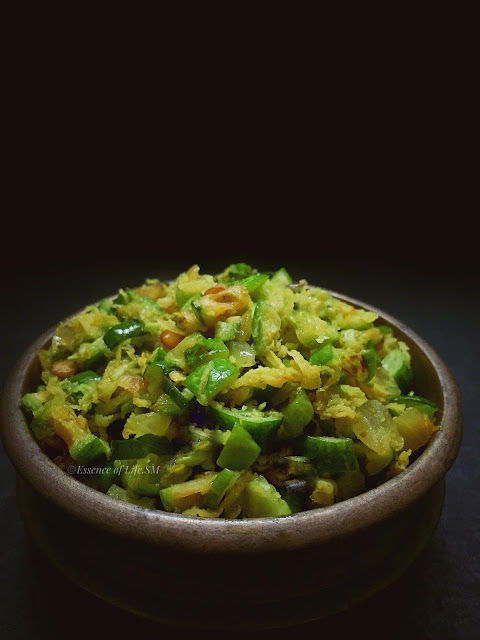
A bowl of Kerala-style Kovakka Thoran (Ivy Gourd stir fry) with coconut, onions, and spices

Kovakka Thoran Recipe – Delicious Kerala Style Ivy Gourd Stir Fry


Ingredients for Kovakka Thoran:

  • 2 Cups Ivy Gourd (Kovakka)
  • 4–5 Shallots, finely chopped
  • 2-3 Garlic cloves, crushed
  • 2 Green Chillies, sliced
  • ½ teaspoon Cumin Seeds
  • ¼ teaspoon Turmeric Powder
  • ¼ cup Grated Coconut
  • Salt, to taste
  • Sugar, a Pinch


For Tempering:

  • 1 Tablespoon Coconut Oil
  • ½ teaspoon Mustard Seeds
  • 1 sprig Curry Leaves
  • 1/4 Teaspoon Bengal Gram Dhal (Optional)


Method - Step-by-step guide on How to make Kovakka Thoran:

Prepare the Ivy Gourd (Kovakka)

  • Begin by thoroughly cleaning the Ivy Gourd (Kovakka). Wash and trim the ends, then finely chop the vegetable. Set it aside.

Chop Aromatics

  • Finely chop the shallots, green chillies, and garlic. This combination will add a lovely aroma and flavour to the dish.

Temper the Spices

  • Heat a pan with coconut oil (or your preferred vegetable oil). Once hot, add mustard seeds and allow them to splutter. Follow with Bengal gram (or urad dhal) and curry leaves for that authentic Kerala flavour.

Sauté Aromatics 

  • Now, toss in the chopped shallots, green chillies, and garlic. Sauté until the shallots become translucent, which helps build a fragrant base for the thoran.

Cook the Ivy Gourd

  • Add the finely chopped Ivy Gourd (Kovakka) along with a pinch of salt and a dash of sugar. Stir well, cover the pan, and cook briefly until the gourd becomes tender. 
  • This step ensures that the Ivy Gourd absorbs the flavours perfectly.

Finish with Coconut

  • Once the Ivy Gourd is cooked, add grated coconut to the pan and mix it thoroughly. 
  • Cook for a few minutes on low heat to allow the coconut to blend with the gourd and spices.

Serve and Enjoy

  • Kovakka Thoran is ready! Serve it hot with steamed rice and curry, or as a side dish in your next Kerala Sadhya (traditional feast).

Cooking Tips and Notes for Kovakka Thoran

  • Add Turmeric (Optional): Some people prefer adding a pinch of turmeric for extra colour and flavour.
  • No Onion-Garlic for Sadhya: Traditional Sadhya recipes sometimes omit onions and garlic, so feel free to skip these if you're making this for a feast.
  • Oil Preferences: While I’ve used coconut oil for an authentic taste, you can substitute it with any vegetable oil of your choice.

Looking for more authentic Kerala Thoran recipes? Explore Essence of Life - Food for a wide range of Thoran Recipes.

More Thoran Recipes to Try:

  • Cabbage Thoran
  • Cabbage, Carrot & Beans Thoran
  • Achinga Payar/Long Beans Thoran 
  • Carrot Thoran/Upperi
  • Cheera/Spinach Thoran 
  • Beetroot Thoran/Poriyal 
  • Vendakka/Okra Thoran
  • Pavakka/Bitter Gourd Thoran
  • Cheru Payar Parippu/Yellow Moong Thoran
  • Cheru Payar/Green Moong Thoran
  • Kovakka/Ivy Gourd Thoran
  • Padavalanga/Snake Gourd Thoran 
  • Mathanga/Yellow Pumpkin Thoran
  • Vazhakoombu/Plantain Flower Thoran 
  • Chena Thoran/Chena Upperi 
  • Chakkakuru Cheera Thoran
  • Raw Papaya Thoran
  • Vazhakoombu Vanpayar Thoran 
  • Avarakka Thoran/Upperi
  • Kothavarakka Thoran/Poriyal


From My Garden to Your Table: A Taste of Nostalgia with Kovakka Thoran

    Kovakka Thoran is more than just a dish for me; it’s a cherished memory from my backyard in India. We had a "Pandhal" fully covered with Kovakka creepers, providing us with a steady supply of this delightful vegetable. It was always a treat to harvest them, despite the occasional sting from the big ants that made me cautious every time I reached for a Kovakka.

    When the repetitive use of Kovakka became a bit mundane, I’d let the vegetable stay on the vine for a few days. This would allow the small green fruits to mature into the vibrant red "Kovaipazham," a term evocative of Tamil literature, often used to describe the alluring colour of a woman's lips. This sight was always a beautiful reminder of the vegetable's journey from garden to plate.

    In Malaysia, where Ivy Gourd isn’t commonly available in the market, I make sure to seize every opportunity to buy it whenever I spot it. Preparing this dish brings a piece of home to my kitchen, and I hope it brings as much joy to your table as it does to mine. 

    With its rich nutritional profile and ease of preparation, Kovakka Thoran is a must-try dish for those looking to incorporate more vegetables into their diet. Whether you're preparing a Kerala Sadhya or a simple meal, this Ivy Gourd stir-fry is sure to be a hit.  For more traditional Kerala recipes, don't forget to check out my Sadhya Recipe Collection and explore other mouth-watering dishes that you can easily whip up at home!

    Feel free to share your own experiences or variations of this recipe in the comments below. Happy cooking and enjoy this taste of Kerala!


Newer Posts Older Posts Home
Search Essence of Life - Food

I Me Myself

A vintage-style horizontal oval frame showcasing ornate silver spoons on a dark rustic surface

Essence of Life - Food is all about daily cooking with a simple sense of taste and health. It is all about food. Not a day goes by without eating for most of us, so what we eat matters on the whole. Food in the mode of goodness increases the duration of life, purifies one's existence, and gives strength, health, happiness, and satisfaction. Above all ingredients, the most vital one in my kitchen is love.

Sm @ Essence of Life - Food

Popular Posts

  • Kizhi Parotta: Kothu Parotta and Salna Wrapped in Banana Leaves
  • Kerala Sadhya Vibhavangal: Ultimate Guide to Traditional Onam & Vishu Sadhya
  • Nannari - Indian Sarsaparilla Roots
  • How to Make Kerala Kanji | Traditional Rice Porridge with Payar, Chammanthi & Achar
  • Brewing Authentic Malaysian Kopi: A Step-by-Step Guide to Mastering the Art of Kopi Making
Ebook - What I Cook - For Onam

Ebook - “What I Cook - For Onam”

Amazon.com/dp/B0CGPVY6J3

Indulge in Kerala’s Culinary Heritage: Traditional Onam Sadhya Recipes, with Expert Serving Tips! Celebrate Onam the authentic way! Discover 25 timeless Kerala Sadya recipes in my ebook. From avial to payasam, bring home the flavours of tradition. Available now on Amazon!

Essence of Life

Subscribe & Follow

© 2026 | Essence of Life - Food

  • Home
  • Ask First
    Please note that all rights for the photographs and texts on this blog, unless otherwise mentioned, rests with the author. Please do not use without permission.
  • Privacy Policy