Essence of Life - Food
  • Home
  • From My Kitchen
    • Heirloom Recipes
    • From God's Own Country
    • Sadhya
    • Kongu Cuisine
    • Chettinaad Cuisine
    • South East Asian
    • Around the World
  • Ebook
  • I Me Myself
DAL PARATHA - MOONG DAL STUFFED CHAPATIS
MOONG DAL PARATHA

      Stuffed Indian Bread, colloquially named Parathas are Rotis made with immediately available ingredients in an Indian Kitchen. North Indian Cuisine is filled with variable recipes with a variety of stuffed Parathas. These parathas are made with Whole wheat flour(Gehun ka Aatta).  We can get wild with the choice of stuffings, Aloo Paratha with Potatoes Stuffed in it, or Methi (Fenugreek Leaves) Paratha/Thepla, Mint Paratha, Onion/Spring Onion Paratha, Gobi(Cauliflower) Paratha, Mooli(Radish) Paratha, Dhal Paratha, Paneer Paratha etc., & etc.,

      Dal Paratha is one of the most famous Indian Bread stuffed with Moong Dhal or Chana Dhal(Bengal Gram Dhal).  This is a popular dish originating from Punjab, but can commonly be termed as a North Indian Dish.  Dal Paratha can be served at any time of the day, it suits well for a breakfast, lunch and dinner.  Serve hot Parathas with a blob of Butter along with a cup of Curd(Yoghurt), Pickle or Raitha.

DAL PARATHA - MOONG DAL STUFFED CHAPATIS
MOONG DAL PARATHA

      Dal Parathas are Whole Wheat Indian Bread with a heartwarming pre-cooked Dal Stuffing.  I have made this recipe with freshly cooked Moong Dal and then it is mixed along with seasonings & spices.  The Moong Dhal mix is used for stuffing the Paratha. Make sure that the Moong Dals aren't overcooked which will make it mushy.    The same recipe can be prepared with Chana Dal, but when prepared with Chana Dal, the Paratha becomes filling and slightly heavier than Moong Dal Paratha.  And the Prathas tastes unique to the Dhal used for stuffing.  The same recipe can be prepared with left-over Dal too. 

    What makes Moong Dal Paratha special is the soft and tasty filling of Moong Dal flavoured with mild spice powders and seasonings. Garam Masala gives this Paratha a wonderful flavour and Amchur(Dry Mango Powder) adds a tinge of tanginess to the dish. Usually, Parathas are roasted with lots of Ghee(Clarified Butter) and served with dollops of Butter. Moong Dal Parathas are wholesome as they are, so serve them with simple side dishes. These Parathas taste best when served hot with Pickles /Aachar, Curd or Raitha.  Moong Dal Paratha is one best dish which can be packed in a Lunch Box, as it stays fresh and soft even after a long time.


For more Recipes on INDIAN BREADS, Click here...


Cuisine : North Indian ( Punjabi)
Course : Main Course
Difficulty : Medium
Spice Level - Low
Serves : 4
Yields : 12 - 15 Parathas
Author : SM

Preparation Time : 25-30 Minutes
Leavening Time : 5-8 Minutes
Cooking Time : 15-20 Minutes

For more PARATHA RECIPES, Click here...


HOW TO MAKE DAL PARATHA - MOONG DAL STUFFED CHAPATIS


DAL PARATHA - MOONG DAL STUFFED CHAPATIS
MOONG DAL PARATHA

INGREDIENTS:

For The Dough:

Whole Wheat Flour - 2 Cups
Salt - To Taste
Sugar - 1
Teaspoon (Optional)
Ghee/Oil - 2 Tablespoons
Water - as Required


For the Stuffing:

Moong Dal - 1/2 Cup
Onion - 1 No.
Green Chillies - 1-2 Nos.
Cumin Seeds - 1 Teaspoon
Red Chilli Powder - 1/2 Teaspoon
Garam Masala - 1/2 Teaspoon
Dry Mango Powder(Amchur) - 2 Teaspoons
Coriander Leaves/Spring Onions - Few.
Salt - To Taste
Oil/Ghee - 2 Teaspoons


To Cook:

Ghee/Oil - 4-5 Tablespoons (To Drizzle)

METHOD:

For the Dough:

  • Mix all the ingredients mentioned under 'For the dough', adding a little water, and knead it into a pliable dough.
  • Finally, add oil /melted Ghee and knead it again for about 7-8 minutes.
  • Cover and leave it aside for 5-8 minutes.
  • Before rolling them, knead it again.
  • Divide the dough into 12-15  medium-sized balls and keep it aside.

For the Stuffing:

  • Cook Moong Dal in a Saucepan or in a pressure cooker with enough water.
  • Once cooked, drain the dal for about 15-20 minutes.
  • Make sure that the water used for cooking is drained off before making the stuffing.
  • Can mix all the other ingredients mentioned under "For stuffing" raw or sautéed.
  • If Sautéing, heat Oil/Ghee in a Pan over medium flame.
  • Splutter Cumin seeds, add finely chopped Onions and Green Chillies.
  • Sauté them until Onions turn translucent.
  • Add, Red Chilli Powder, Garam Masala to the above and fry this on a very low flame for few minutes.
  • Add slightly mashed Moong Dal along with a dash of Salt and mix well.
  • Sprinkle Amchur Powder and finely chopped Coriander Leaves/Spring Onions and mix well.
  • Leave this on a low flame for a few minutes and switch off the flame.
  • Allow it to cool.
  • Divide the Moong Dal Stuffing into 12-15 medium-sized balls and keep them aside.

For Moong Dal Paratha:

  • Roll the dough balls into thin circles.
  • Place a little Moong Dal Stuffing at the centre.
  • Bring the sides of the dough together and seal them tightly with your fingers, shaping them into a ball.
  • Dust some flour and roll the dough with Moong Dal Stuffing into a Circle.
  • Heat a griddle(Tawa) and cook each paratha on a medium flame.
  • Drizzle 1/4 Teaspoon of Oil/Ghee over each Paratha and cook them until they turn into golden brown colour on both the sides.
  • Follow the suit for the rest of the dough balls.
  • Serve hot Moong Dal Parathas with a bowl of Curd(yoghurt), Raitha or Pickle.
DAL PARATHA - MOONG DAL STUFFED CHAPATIS
MOONG DAL PARATHA

NOTES:

  • Add very little water as required while kneading the dough.
  • Adding Ghee/Oil while kneading the dough yields soft Parathas.
  • Can Substitute Amchur(Dry Mango Powder) with Lemon Juice.
  • Chop Onions and Green Chillies as finely as possible.
  • Can avoid adding Green Chillies too.
  • Slightly mash the Moong Dal for the stuffing.
  •  I have sautéed all the ingredients for the stuffing.
  • Alternatively, can mix all the other ingredients mentioned under "For stuffing" raw along with cooked Moong Dal.
  • Cook Moong Dal Paratha over a hot griddle.  If cooked at low temperature, Parathas tend to become hard.
  • Can avoid adding Ghee/Oil while roasting the Parathas.
  • Can also smear a blob of butter over hot Moong Dal parathas before serving.


GOOSEBERRY/AMLA CHUTNEY
NELLIKKA CHAMMANTHI - GOOSEBERRY/AMLA CHUTNEY

Amla/Amalaki/Nellikkai: The Nutritional Powerhouse of Indian Gooseberries

    Indian Gooseberries, known as Amla, Amalaki, Nellikkai, or Nellikka in various Indian languages, have been deeply rooted in Indian culture for centuries. Revered for their remarkable nutritional and therapeutic properties, these tiny fruits are celebrated in Ayurveda for their ability to heal and rejuvenate.

Rich in Nutrients & Health Benefits

    Amla is packed with Vitamin C, Iron, Calcium, and Chromium, making it a nutritional gem. It's no wonder Ayurvedic scriptures have long praised its antioxidant and antiseptic properties. The fruit's role in boosting immunity, improving digestion, and fighting infections makes it a natural choice for holistic health.

Top 5 Health Benefits of Indian Gooseberries

  • Boosts Immunity and Fights Infections: The high concentration of Vitamin C in Indian Gooseberries acts as a powerful antioxidant, protecting the body against harmful free radicals and promoting overall health.
  • Improves Digestive Health: Rich in dietary fibre, Indian Gooseberries/Amla aids digestion, relieves constipation, and helps regulate blood glucose levels, making it an excellent addition to the diet of diabetic patients.
  • Heart Health & Cholesterol Regulation: Indian Gooseberries/Nellikka has been shown to increase good cholesterol (HDL) while lowering bad cholesterol levels, contributing to better heart health.
  • Supports Bone & Dental Health: The calcium content in Indian Gooseberries strengthens bones and teeth, while its anti-inflammatory properties help reduce symptoms of arthritis.
  • Cancer-Fighting Properties: With a rich content of flavonoids, polyphenols, and other antioxidants, Indian Gooseberry is believed to help prevent various types of cancer and protect against DNA damage.

The Power of Gooseberries in Ayurveda

    Amla’s history in Ayurveda is vast, with ancient texts detailing its benefits in detoxification, improving liver function, and even aiding in weight loss. Its antiviral and antibacterial properties make it a potent natural remedy against infections.

Curious about more health benefits? Click here to read about the Health Benefits of Gooseberries.

Why Gooseberry is a Must for Diabetics

    Gooseberry has a significant role in regulating blood sugar levels, making it a superfood for diabetics. With its ability to improve insulin sensitivity and reduce blood glucose, it helps diabetics maintain a healthy balance.


NELLIKKAI/NELLIKKA/AMLA/AMALAKI
GOOSEBERRIES/NELLIKKAI/AMLA

Nellikka Chammanthi (Gooseberry Chutney): A Tangy, Spicy Delight

Gooseberries—or, as we call them, Nellikka—have always held a special place in my heart and my childhood. Slightly sour, bitter, and sweet, these little powerhouses of nutrients were a regular feature at home. My dad used to say, “The first bite of a gooseberry is sour, but as you swallow, it turns sweet.” And oh, how true that was!

Whenever my mum brought fresh gooseberries home, my brother and I would grab a few and dive right into them, dipping them in a mix of salt and red chilli powder. And let me tell you, the fun part was drinking water right after—it made the sweet taste even more overwhelming!

Discover more ways to enjoy Gooseberries from this Recipe Collection!


Nellikka Chammanthi: A Simple, Nutritious Addition to Your Diet

    Nellikka Chammanthi, or Gooseberry Chutney, is one of the easiest and tastiest ways to sneak this wonder fruit into your daily meals. Every household has its own version of Chammanthi. Some add shallots, while others blend it with green chillies or dry red chillies. But no matter the variation, the core ingredients remain the same: fresh gooseberries, coconut, green chillies, ginger, and curry leaves.

If you can’t get your hands on fresh gooseberries, don’t worry. You can easily make this chutney with Brine-Preserved Gooseberries—it works just as well!

The Traditional Ammi Kallu Grind: A Taste Like No Other

    In the old days, my family would use an Ammi Kallu (grinding stone) to prepare Chammanthi. This traditional method of grinding brings out the natural oils from the ingredients, making the chutney more flavorful. Plus, you can make it without adding any water, which is key for that perfect thick consistency—we call it Katta Chammanthi!

Quick and Easy Comfort Food: Rice and Nellikka Chammanthi

    After a long, tiring day, sometimes all you need is a quick meal that warms the soul. And Nellikka Chammanthi with steaming rice or Kanji (rice porridge) is exactly that. The spicy-tangy flavour of the chutney combined with soft rice is truly a match made in heaven. Trust me, it’s the perfect comfort food when you’re too lazy to cook a big meal but still crave something delicious.

    The subtle bitterness, balanced with a hint of sweetness and tang, combined with the fiery kick of this Nellikka Chammanthi, will have you reaching for more rice. "Oru urula choru extra..." (Just one more ball of rice, please!) On those days when you’re utterly exhausted or too lazy to cook, simply serve this spicy-tangy chutney with hot, steaming rice or kanji (rice porridge). It’s a deliciously comforting duo that feels like heaven on a plate.

Check out Gooseberry Pickle Recipe and discover another delicious way to enjoy this nutrient-packed fruit! You might also love to make Healthy Gooseberry Juice Recipe, perfect for a refreshing immunity boost.


Recipe Details – Nellikka Chammanthi/Gooseberry Chutney

  • Cuisine: Kerala (India)
  • Course: Side Dish
  • Recipe Type: Condiment
  • Difficulty: Easy
  • Spice Level: Medium
  • Serves: 2–3
  • Author: SM

Total Time:

  • Preparation Time: 5–10 Minutes


Easy Step-by-Step Guide to Make Healthy Nellikka (Gooseberry) Chutney


GOOSEBERRY/AMLA CHUTNEY
NELLIKKA CHAMMANTHI - GOOSEBERRY/AMLA CHUTNEY


How to Make Nellikka Chammanthi (Gooseberry/Amla Chutney)

    Nellikka Chammanthi or Gooseberry Chutney is a classic South Indian side dish that’s tangy, spicy, and packed with the nutritional goodness of gooseberries. This easy-to-make condiment pairs perfectly with steamed rice, Kerala Matta rice, or kanji (rice porridge).

Ingredients for Nellikka Chammanthi (Gooseberry/Amla Chutney)

  • Gooseberries – 1/2 Cup
  • Grated Coconut – 1/2 Cup
  • Green Chillies – 3–4 (adjust for spiciness)
  • Ginger – a small piece
  • Curry Leaves – 1 sprig
  • Salt – to taste

*Pro Tip: For a fiery twist, try using Kanthari Mulagu (Bird’s Eye Chillies) in place of regular green chillies!


Method: Step-by-Step Guide to Making Nellikka Chammanthi

  • Prep the Gooseberries: Wash the gooseberries thoroughly, cut them into small pieces, and discard the seeds.
  • Grate the Coconut: Freshly grated coconut is key for an authentic flavour.
  • Grind the Ingredients: Mix the gooseberries, coconut, green chillies, ginger, curry leaves, and salt. Grind without adding water.
  • Shape the Chammanthi: Once well ground, shape the mixture into a ball if desired. This thick chutney pairs excellently with rice dishes.
  • Serve: Nellikka Chammanthi is best served fresh with steamed rice, Kerala Matta rice, or kanji (rice porridge).


    Explore more delicious Kerala-Style Chammanthi Recipes by clicking here!


GOOSEBERRY/AMLA CHUTNEY
NELLIKKA CHAMMANTHI - GOOSEBERRY/AMLA CHUTNEY

Notes:

  • Adjust Sourness: Feel free to vary the number of gooseberries based on how tangy you like your chutney.
  • Grinding Tip: You can shape the chutney into a ball if it’s ground without water. If necessary, add a small sprinkle of water to help grind.
  • Customise to Taste: Add or omit ingredients like curry leaves, ginger, or shallots depending on your preference.
  • Chillies Choice: This chutney works well with both green chillies and dry red chillies. For a traditional twist, try using Kanthari Mulagu (Bird’s Eye Chillies).

GOOSEBERRIES IN BRINE
PRESERVED GOOSEBERRIES

Preserved Gooseberries Option: No fresh gooseberries? You can use gooseberries preserved in brine to make this chutney.  For a detailed recipe on How to Preserve Gooseberries in brine, Click here!


Nutritional Benefits of Gooseberries in Nellikka Chammanthi

    Gooseberries are a powerhouse of nutrition, loaded with Vitamin C, antioxidants, and fibre. They’re known for improving digestion, boosting immunity, and helping regulate blood sugar levels. Incorporating this chutney into your diet is a delicious way to benefit from these nutrients.

    Nellikka Chammanthi is a simple, nutrient-rich condiment that adds a burst of flavour to your meals. Whether you’re pairing it with rice or kanji, this chutney is a delightful way to enjoy the goodness of gooseberries every day and make your next meal even more exciting!


A spoonful of shredded chapati soaked in milk, topped with sugar, symbolizing a simple and nostalgic dish.
Comforting Spoonful of Chapati and Milk

Leftover Chapatis with Milk & Sugar – A Simple Comfort Food with a Nostalgic Twist

A Simple & Nostalgic Dish: How to Turn Leftover Chapatis into a Sweet Delight

A spoonful of shredded chapati soaked in milk and topped with sugar, symbolizing simplicity and comfort.

The Comfort Food That’s Close to My Heart

    Chapatis with milk and sugar is a dish that's been close to my heart for as long as I can remember. Whether made from leftover chapatis or fresh ones, this humble dish has a special place in many Indian homes, including mine. While it may seem unusual to some, for me, it's the ultimate comfort food, reminding me of my childhood.

    It’s quick, easy, and healthy—a great way to use up leftover chapatis without waste. If you've never tried this before, let me introduce you to the delightful, nostalgic combination of chapatis with milk and sugar!

If you've never tried it before, let me introduce you to this humble yet delightful dish.


A Nostalgic Favourite: Chapatis with Milk & Sugar

    Since as far back as I can remember, chapatis with milk and sugar has been a go-to comfort food. Sometimes, it would happen with leftover chapatis, and at times with hot ones fresh off the griddle. Either way, it remains a dish packed with nostalgia, reminding me of quick snacks after school or those lazy evenings when nothing else would do.

    Many households have their own versions. For instance, my husband prefers chapatis with jaggery syrup instead of sugar, another common variation in many homes. But this recipe is for those who haven't come across this simple combination yet.

Why You Should Try This Recipe

    This dish is more than just a way to use leftovers. It's a healthy & filling snack or even a simple breakfast. It’s a great way to avoid food waste while enjoying something that feels indulgent.

Here’s why you should try it:

  • It’s an easy and quick breakfast option.
  • A great way to avoid food waste by turning leftover chapatis into something delicious.
  • It feels indulgent but is actually nutritious, especially when using honey as a sweetener.


Craving perfectly soft Chapatis? Learn how to make them from scratch right here!


Recipe Type - Snacks/Breakfast/Dinner
Spice Level  - Low
Difficulty - Easy
Yields - 1–11/2 Cups
Author - SM

Preparation Time - 5 Minutes.
Soaking Time - 10–15 Minutes.


 "How to Turn Leftover Chapatis into a Sweet & Nostalgic Treat"

Leftover chapati soaked in milk with sugar, presented in a bowl, representing a comforting dish.
Bowl of Chapati and Milk – A Comfort Food Classic

What You’ll Need:

  • 2-3 Leftover Chapatis
  • ½ - ¾ Cup Hot/Cold Milk
  • 1½ Teaspoons Sugar (or Honey) – optional


Method:

  • Shred the chapatis into a bowl.
  • Pour hot or cold milk over the shredded chapatis.
  • Add sugar or honey and mix until well combined.
  • Let it soak for about 10 minutes before enjoying it. You can serve it hot or cold based on your preference.

Pro Tip: For a more traditional feel, I like using sugar, but honey works just as well if you want a healthier option. It’s also a great snack for kids above two years old!


Storage Tips for Leftover Chapatis

If you're planning to use leftover chapatis for this dish, ensure they're stored properly. Here are some tips:

  • Keep leftover chapatis refrigerated if you're not consuming them within 12–15 hours.
  • Leftover Chapatis freezes well too. When you're ready to use them, simply thaw at room temperature for a few minutes and reheat on a griddle.
  • Reheat the chapatis on a low flame before using them in this recipe. They’ll soften up once soaked in milk, so don't worry if they seem a little dry.

Pro Tip: Stack chapatis with parchment paper, freeze in an airtight bag, and enjoy fresh chapatis for up to 3 months! Thaw and reheat for soft, fresh chapatis in no time.


 ______________________________________________________________________

Trivia No.1:

Health Benefits of Stale Chapatis

Did you know that stale chapatis have their own set of health benefits? Soaking stale chapatis in cold milk for about 10 minutes, it adds amazing benefits and the combination can prove beneficial. It's believed to

  • Help relieve high blood pressure. Preferably, consume this for your morning breakfast.
  • Regulate body temperature.
  • Provide nutrients and help avoid acidity.
  • Aid in digestion, relieving constipation, acidity, and gas.  Preferably, consume this for before you sleep.


______________________________________________________________________

Trivia No.2: 

"From My Childhood to Yours: A Timeless Recipe Featuring My Stork Spoon"

A bowl of chapati soaked in milk with sugar, placed by a window with a peaceful view, offering a nostalgic dish or a snack.
Enjoying Chapati with Milk by the Window

The Chow Time Spoon - By Royal Selangor

The Chow Time Spoon or the Stork Spoon: The Spoon in the picture is from Royal Selangor Collection.

    A myth dating to Greek antiquity, a stork delivering a bundle in its beak has become a ubiquitous symbol of childbirth. According to European folklore, the stork is responsible for bringing babies to new parents. Popularized by a 19th-century Hans Christian Andersen story called "The Storks."  This version of Spoon depicts a Stork flying to its kids carrying the food, delivering an infant’s first experience of solid food.  

    I've used this spoon for this recipe photo, as it holds a special place in my heart. I've had it since my childhood, and it became a cherished part of my own children's early meals. For me, this spoon not only represents its historical connection to motherhood and nourishment but also my own journey as a mother, weaving together food and memories across generations.


Share Your Thoughts!

    I hope this nostalgic recipe brings a little warmth and comfort to your day. Give it a try, and let me know—did it remind you of your childhood or create new memories for your family? Leave a comment below!


JUICES & DRINKS
PEAR JUICE WITH HONEY, LEMON & GINGER

      When it comes to fresh fruit juices, there is always a preference level running in the family.  But anything in the name of a fruit or a fruit juice is always devoured with eyes shut by me.  I am the only person who loves the combination drinks at home and all these types of fruit juices are prepared to fascinate my taste buds.  Prepared for my whims and fancies.  I love smoothies and juices with a combination of fruits.


     This is a wonderful and all the more a detoxifying fruit juice prepared with Pear.  I have added Ginger and Lemon.  I usually sweeten this drink with honey.  I make a similar juice substituting Pears with Green Apples or sometimes combine both the fruits too.  Pear, Ginger & Lemon when combined together in this drink helps boost immunity, aids digestion, increase your energy levels and detoxifies your body. Pear Juice helps to get rid of Toxins and harmful elements from your liver, kidney and digestive system. Though this drink might be a simple recipe, it comes with a punch. The flavours combine for a sweet-tart concoction that hits your taste buds with a spicy kick from Ginger.

For Green Apple Juice with Honey, Lemon & Ginger, Click here...


Recipe Type - Drink
Difficulty - Easy
Serves - 1
Author - SM  

Preparation Time : 3 -5 Minutes


For more JUICES, DRINKS & SMOOTHIES, Click here...


HOW TO MAKE PEAR JUICE WITH HONEY, LEMON & GINGER

 
JUICES & DRINKS
PEAR JUICE WITH HONEY, LEMON & GINGER

INGREDIENTS :

Pear - 1 No.
Ginger - 1" Piece
Lemon Juice - 2 Tbspn
Honey - 1 Tbspn

METHOD:

  • Peel and cut Ginger into small pieces.
  • Peel, Core and Dice the Pear.
  • Grind Pear and Ginger in a blender until smooth.
  • Pour out the blended mixture into a tall glass.
  • Squeeze out the juice from Lemon.
  • Pour in the Lemon Juice and Honey to the blended mixture.
  • Stir thoroughly until well combined.
  • Top it up with Ice Cubes and serve Pear Juice chilled.


JUICES & DRINKS
PEAR JUICE WITH HONEY, LEMON & GINGER

NOTES:

  • Can substitute Pear with Green Apple, or combine both the fruits and make the same juice.
  • Adjust the amount of Honey to suit your taste preference.  
THAYIR VADAI - CURD VADAI

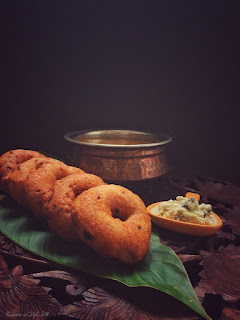
    Thayir Vadai/Curd Vadai - a snack or a dish on its own is nothing but Uzhundhu Vadai alias Medhu Vadais, extensively soaked in a spicy Curd/Yogurt base, seasoned to taste, tempered and garnished with grated carrots, finely chopped Coriander leaves and served with a few teaspoons of Kaara Boondhi over it.

    Well, a day after a festival or a function in a typical South Indian household, we could see a lot of left-over dishes from the special day and Uzhundhu Vadais happens to be one such item.  The idea of Thayir Vadai would have popped up into a thrift Indian housewife's mind, who wanted to easily finish off any left-over Uzhundhu Vadais.  And it often happens too, a call for a function or to treat a guest, it is a common scenario to serve Vadai, Coffee along with some Tiffin Items.  And at times a few of the dishes or Medhu Vadais gets left and these Vadais made for Breakfast or Dinner can easily be converted into a Thayir Vadai which could be easily sneaked up as an evening snack or for Breakfast.  

    Do not worry about storing left-over Vadais in the refrigerator, thinking that it could turn hard.  While making Thayir Vadai you have a few tricks which could make these Vadais totally soft and give a feel that it is freshly cooked.  Its not that Thayir Vadai can be made with just left-over Uzhundhu Vadais,  freshly deep-fried Vadais could also be easily converted into Thayir Vadais.

Well, what we need to make excellent Thayir Vadais are,

UZHUNDHU/MEDHU VADAI:

THAYIR VADAI
UZHUNDHU VADAI/MEDHU VADAI

  • You need freshly fried Uzhundhu Vadais or left-over Uzhundhu Vadais. 
  • Fresh batch or left-over Uzhundhu Vadais - you need to soak them in hot water for about 15-20 minutes.
  • Once soaked,  gently squeeze the Uzhundhu Vadais to remove any excess water from it.

For a detailed Recipe on HOW TO MAKE UZHUNDHU VADAI, Click here...


CURD/YOGURT:

THAYIR VADAI
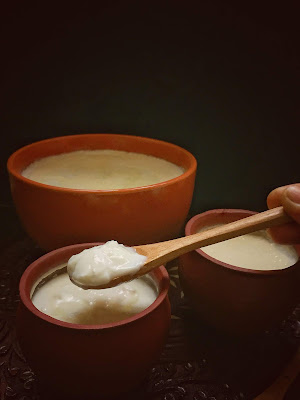
HOME MADE CURD/YOGURT

  • Then the most important ingredient for this dish is Fresh & thick Curd/Yogurt.  
  • The curd should not be sour or watery.  
  • I usually add finely ground coconut paste to the Curd Mixture which gives a wonderful taste and flavour to Thayir Vadai. 

 For a detailed Recipe for HOMEMADE CURD/YOGURT, Click here... 


THAYIR VADAI - CURD VADAI

TEMPERING:

    When it comes to tempering Thayir Vadai, it is usually tempered with Mustard Seeds, Bengal Gram Dhal/ Urad Dhal, Dry Red Chillies, Cashew Nuts, Curry Leaves & finely chopped Green Chillies and Ginger. But Apart from Mustard Seeds, you can opt what should go into the tempering.  Go with your whims and fancies.

GARNISHING:

    I garnish Thayir Vadai with finely grated Carrots and chopped Coriander Leaves.  If I have Kara Boondi at home then I would  add a few teaspoons of it on top, just before serving Thayir Vadais. It adds a crunchiness to the dish.

For a detailed recipe on KARA BOONDI, Click here... 


For more VADAI RECIPES, Click here...


Cuisine - South Indian
Recipe Type - Snacks
Spice Level  - Low- Medium
Difficulty - Easy
Yields - 8 Thayir Vadais
Author - SM

Preparation Time - 15-20 Minutes.
Soaking Time - 1- 2 Hours.
Cooking Time - 5-10 Minutes.

For a detailed Recipe on HOW TO MAKE UZHUNDHU VADAI, Click here...


HOW TO MAKE THAYIR VADAI- CURD VADAI

THAYIR VADAI - CURD VADAI


INGREDIENTS:

To Soak Uzhundhu Vadais:

Uzhundhu Vadai - 8 Pieces.
Hot Water - 3 Cups


For Curd Mixture:

Curd/Yogurt - 11/2  Cups
Milk - 1/2 Cup
Coconut - 4 Tablespoons
Cashew Nuts - 4-6 Nos.
Green Chillies - 2 Nos.
Ginger - a small Piece
Salt - To Taste  

For Tempering:

Ghee/Oil - 2 Tablespoons
Mustard Seeds - 1/2 Teaspoon
Dry Red Chilly - 1 No.
Bengal Gram Dhal - 1/2 Teaspoon
Cashew Nuts - 6-8 Pieces
Curry Leaves - a Sprig
Green Chillies - 2 Nos.
Ginger - 1/2 an Inch


For Garnishing:

Carrot - a few Teaspoons
Coriander Leaves - a few Teaspoons
Kara Boondi - - a few Teaspoons


METHOD:

To Soak Uzhundhu Vadais:

  • Take the Deep-fried Uzhundhu Vadais and drop them into a bowl filled with hot water.
  • Let the water be hot enough.  Do not use boiling water.
  • Let it sit for about 15-20 minutes.
  • Once soaked, squeeze the Uzhundhu Vadais and remove any excess water from it.
  • Leave this aside or can leave it in the refrigerator until you add them into the Curd Mixture.


For Curd Mixture:

  • Grind grated Coconut along with Cashew Nuts, Green Chillies and Ginger into a very fine paste.
  • Whisk the Curd/Yogurt, pour in the Milk and whisk until well combined. 
  • Add a dash of salt and add in the coconut Paste to the Curd-Milk Mix.
  • Whisk well until well combined.


For Tempering:

  • Meanwhile, heat Ghee/Oil in a tempering pan.
  • Splutter Mustard Seeds, Bengal Gram Dhal, Cashew Nuts, Dry Red Chilly & Curry Leaves.
  • Then add finely chopped Ginger and Green Chillies and give quick stir.
  • Pour the tempering over to the Curd Mixture and mix well until well combined.


THAYIR VADAI - CURD VADAI

For Thayir Vadai:

  • Add in the soaked & then squeezed out Uzhundhu Vadai into the Curd Mixture.
  • Let the bowl be big enough to place all the Vadais and let the Curd Mixture cover the Vadais.
  • Do not overcrowd the Vadais in the Curd Mixture.
  • Let it soak for about 2-3 hours. Can keep it refrigerated.


For Garnishing:

  • Grate the Carrots and keep it aside.
  • Finely chop the Coriander Leaves and keep it aside.
  • Serve Thayir Vadais garnished with finely grated Carrots and Coriander Leaves.
  • Add in a few Teaspoons of Kara Boondi just before serving.
  • Serve Thayir Vadai chilled or at room temperature.


THAYIR VADAI - CURD VADAI

NOTES:

  • Can use freshly fried Uzhundhu Vadais or left-over ones for this recipe.
  • Soak the Vadais in hot water.  This will help Vadais absorb the Curd Mixture well.
  • Adding Coconut Paste Mixture to the Curd is purely optional.
  • Use fresh Curd/Yogurt for the recipe.  Sour or Watery Curd may not yield you with tasty Thayir Vadais.
  • If using fresh Curd, can avoid adding Milk.  Adding Milk helps to cut down the sourness in the Curd.
  • Temper and Garnish Thayir Vadais with your preferred ingredients.

RABDI/RABRI
MANGO RABDI - MANGO RABRI

    Rabri/ Rabdi is one of the most delectable Indian Desserts. It is a tasty & creamy traditional Indian Dessert basically prepared with Milk - reduced, sweetened and flavoured.  This Rabri recipe is a simple twist given to the authentic version, where freshly pureed Mangoes are added in the Rabdi converting it into a mango flavoured Rabri/Rabdi.  Though a summer treat, if you can get hold of Mangoes or tinned Pureed Mangoes during Diwali, then this classic dessert is going to be an added treat to you Diwali Platter.  And if you are a Mango lover, then this desert is for you.

    Traditionally, milk is slow-cooked in a Kadai or a flat pan, until layers of Malai forms which is collected and added into the Rabdi which forms layers of Malai/Cream in it giving it a name "Lachedhar Rabri".   In Gujarat & Maharashtra, a similar Sweet dish called Basundi is prevalent. But the style of preparation and the texture of the dessert is totally different.  But ingredients and taste-wise both the recipes look similar.  

   
      Rabri/Rabdi is slightly time-consuming recipe when it comes to preparation. The authentic recipe call for reducing and thickening the milk on a low flame, then it is sweetened with Sugar, flavoured with Cardamom, Kewra Essence & Saffron Strands and elaborately garnished with slivered Nuts and Rose Petals.  Slow cooking on a low flame gives a rich & creamy texture to the Rabri/Rabdi, freshly pureed Mangoes are added into the Rabdi once it cools down.  Mix well thoroughly and there you go with an Mango flavoured Rabdi.

 
     Rabri/Rabdi is usually served warm/chilled as such. It can be served as a standalone dessert or can be paired with other sweets.  Add a Kulfi/Mango Kulfi to Mango Rabdi and convert it into a fancy Mango Falooda. Mango Rabri/Rabdi is one of the best way to end a scrumptious meal.   


For more INDIAN SWEETS, Click here..

Cuisine - Bengali, Varanasi
Recipe Type - Desserts
Difficulty - Easy
Serves - 3 - 4 
Author - SM  

 
Preparation Time - 10 - 15 Minutes
Cooking Time - 30-45 Minutes


For more Recipes 'FOR THE SWEET TOOTH', Click here...


HOW TO MAKE MANGO RABRI/RABDI


RABDI/RABRI
MANGO RABDI - MANGO RABRI

INGREDIENTS:

For MangoRabri/Rabdi:

Mango Puree - 2 Cups
Milk - 4 Cups
Condensed Milk - 2 Cups
Cardamom -7-8 Pods
Saffron - few Strands
Kewra Essence - few Drops
Mango Pieces - 1/2 Cup


For Garnishing:

Cashew Nuts - Few
Almonds -Few
Pistachios - Few
Rose Petals - Few
Saffron - Few Strands

RABDI/RABRI
MANGO RABDI - MANGO RABRI

METHOD:

For Mango Rabri/Rabdi:

  • Puree the Mangoes and keep it aside. 
  • Cut Mango into small pieces nd keep it aside.
  • Grind Cardamoms along with few teaspoons of Sugar into a fine powder and keep it aside. 
  • Finely Chop/Sliver the Nuts and keep it aside.
  • Soak Saffron strands in 1/4 Cup of warm milk and keep it aside.
  • Combine Milk and Condensed Milk in a heavy-bottomed pan(preferable a wide open-mouthed pan) & mix well.
  • Boil this mixture on a low flame stirring it at intervals.
  • After about 15-20 Minutes the mixture would start to thicken.
  • Scrap the sides and collect the cream(malai) which collects at the top.
  • Add it back into the Rabri mixture and mix well.
  • Pour in the soaked Saffron strands, add Kewra Essence, Cardamom Powder and give a quick stir.
  • Add half the amount of finely chopped/slivered Nuts and mix well.
  • Cook Rabri/Rabdi on a low flame, collecting the thickened Malai(cream) from the top and adding it back into the mix.
  • Rabri/Rabdi gets layered and textured with this Malai(cream).
  • Cook for few more minutes or until it reaches the desired consistency.
  • Switch off the flame and allow the mixture to cool down.
  • Then, pour in the Mango Puree, add the Mango pieces and mix well until it is well incorporated into the Rabdi mix. 
  • Garnish Mango Rabri/Rabdi with remaining Chopped/Slivered Nuts, Rose Petals and a few strands of Saffron, just before serving.
  • Serve Mango Rabri/Rabdi as such, warm or chilled. 
  • Combine Mango Rabri/Rabdi along with Mango Kulfi for a wonderful Mango Falooda for an utter Royal treat.

For more 'PAYASAMS, PRADHAMANS & KHEERS', Click here...
 
RABDI/RABRI
MANGO RABDI - MANGO RABRI


NOTES:

  • Cook Rabri/Rabdi on a low flame stirring it at intervals, preferably in an wide open-mouthed heavy-bottomed pan.
  • Care should be taken that the milk does not scorch at the bottom, which will totally spoil the taste of the dessert. 
  • Grinding Cardamoms with Sugar yield a fine powder.
  • Adding Saffron is purely optional.
  • Adjust the amount of Sugar to suit your Sweet Tooth.
  • Adjust the consistency of  Rabri/Rabdi to suit your preference.
  • Allow the mixture to cool down.  Then, pour in the Mango Puree and mix well until it is well incorporated into the Rabdi mix.
  • Add Mango Puree once  the rabri cools down, otherwise it may curdle.
  • You do not need to cook after the Mango puree is added.
  • Mango Rabri/Rabdi tends to get thicker when chilled.
  • Garnish Mango Rabri/Rabdi with preferred choice of Nuts.
  • Can can it with a few freshly cut Mango pieces.
  • Garnishing it with Rose Petals & Saffron strands are purely optional.


DIWALI SNACKS & SAVOURIES
RIBBON PAKODA-OTTU PAKODA-OLAI PAKODA

     Ribbon Pakoda, Ola Pakoda, Ottu Pakoda is a crispy South Indian snack made with Rice Flour, Gram Flour(Besan) & Roasted Gram Dhal Powder(Pottukadalai Powder).  Though there a quite a variations when it comes to Murukkus and Savouries like Ribbon Pakoda, Ring Murukku, Thatta Murukku etc.,   This recipe is a combination of all three flours and I have added Sesame Seeds, Red Chilli Powder and Asafoetida to add favour to Ribbon Pakoda.  Some recipes use Gram Flour as the major ingredients and combine it up with rice flour to just add texture.  This Ribbon Pakoda recipe tastes more or less like a Murukku.

      As I have mentioned, some snacks or savouries come out be family favourites and some are bought just as it is.  This Ribbon Pakoda or what we call at home is Ottu Pakoda is one savoury bought rarely at home.  It usually comes out as a "Kaaram" bought by somebody visiting home.  So Ribbon Pakoda happens to be a snack which is not a regular at home.  My initial trials with various recipes of Ribbon Pakoda had turned out to be a disaster.  And the major problem was that the mould I have, has slightly thin incisions and if I happen to add sesame seeds or Ajwain, it got struck into it.  So followed the trick by Mrs.Revathy Shanmugam, where she had mentioned to slightly pound or briefly pulse Sesame Seeds before adding it into the dough.  Worked well! Obviously its a tip from the Pro.

      When I saw a video from Sharmis Passion, I thought the recipe is an easy one and immediately got into action.  Just some readily available ingredients and I just made this snack with 1 Cup of Rice Flour.  A small batch for the trial version.  Adjusted the recipe by adding an extra bit of Asafoetida, Red Chilli Powder and Salt to suit my preference.  And measured the water required for the dough.  It required approximately 3/4 Cup of Water for the given amount of ingredients.  

       An easy and quick-fix Ribbon Pakoda recipe which takes less time. And above all, a tasty treat which serves best as a Tea Time snack or as a festive snack. So, try this Ribbon Pakoda/Ottu Pakoda for this Diwali. Olai Pakoda can be one easy addition to your 'DIWALI BAKSHANAM' list. Try your hand with this easy, crispy & flavourful Snack for this festive season.


For more DIWALI RECIPES, Click here... 


 Cuisine - South Indian

 Recipe Type - Snacks & Savouries 

 Spice Level - Medium

 Difficulty - Medium

 Yields - 2-3 Cups(Approx.)

 Author - SM


Preparation Time - 10-15 Minutes

Cooking Time - 20 -30 Minutes


For more SNACKS & SAVOURIES, Click here... 


HOW TO MAKE RIBBON PAKODA

OTTU PAKODA-OLAI PAKODA


DIWALI SAVOURIES & SNACKS
RIBBON PAKODA-OTTU PAKODA-OLAI PAKODA

INGREDIENTS:

For Ribbon Pakoda Dough:

Rice Flour- 1 Cup
Roasted Gram Dhal(Pottukadalai) - 1/4 Cup
Gram Flour(Besan) - 1/4 Cup
Red Chilli Powder - 2 Teaspoons. 
Sesame Seeds - 1 Tspn
Melted Butter - 1 Tablespoon 
Asfoetida - 1/4 Teaspoon
Salt - to Taste
Water - 3/4 Cup(Approx)


For Deep Frying:

Oil


DIWALI SNACKS & SAVOURIES
RIBBON PAKODA-OTTU PAKODA-OLAI PAKODA

METHOD:

For Ribbon Pakoda Dough:

  • Melt the Butter and keep it aside.
  • Slightly pound or pulse the Sesame seeds in a mixer.
  • Powder the Roasted Gram Dhal/Pottukadalai into a fine powder
  • Measure 3/4 Cup of finely powdered Roasted Gram Dhal/Pottukadalai, sieve it once and keep it aside.
  • Sieve Rice Flour, Gram Flour, Pottukadalai Flour along with Red Chilli Powder, Asafoetida Powder and Salt twice.
  • This would help get all the ingredients well incorporated.
  • Then add Sesame Seeds and mix well.
  • Pour in the Water to the above mix, little at a time and knead it into a smooth & soft dough.
  • The dough should be pliable and kneaded without any cracks.


To Fry Ribbon Pakoda:

  • Heat Oil in a deep pan.
  • Place some dough into the Murukku Mould with a plate suitable to press Ribbon Pakoda.
  • Press the dough through it. 
  • Make a few swirls onto the reverse surface of a slotted spoon or directly press the Ribbon Pakoda into the oil.
  • Do not press more than two swirls.
  • I directly press it into the hot oil, fry the Ribbon Pakoda until it turns into golden brown in colour and the sizzling sound stops. 
  • Drain the Ribbon Pakoda on a Paper Towel.
  • Follow the suit for rest of the dough.
  • Allow the Ribbon Pakoda  to cool down completely before storing.
  • Store the Ribbon Pakoda in airtight jars.

DIWALI SNACKS & SAVOURIES
RIBBON PAKODA-OTTU PAKODA-OLAI PAKODA

NOTES:

  • The dough should be of the correct consistency. It should not be sticky or too hard and without any cracks.
  • Do not substitute Butter with Ghee or Margarine.
  • Butter should be melted before mixing it into the flour.
  • Butter is one main ingredient for crispy and soft Ribbon Pakoda.
  • I have used ready made Rice Flour in this recipe.
  • Alternative can use Idiyappam flour for Ribbon Pakoda recipe,  if so, use boiled-hot water to knead the dough.
  • Adjust the amount of Red Chilli Powder to suit your spice level.
  • Adding Red Chilli Powder to the recipe is totally optional. 
  • Alternatively can add soaked Dry Red Chillies ground into a fine paste & sieve it out through a fine mesh.
  • Slightly pound or pulse the sesame seeds in a mixer.
  • I do the above step to discard any seeds or large flakes which may block the holes of the Murukku Achu(tiny Plate) while pressing the Ribbon Pakoda dough.
  • Can add ground Garlic to the dough for a Garlic flavoured Ribbon Pakoda.
  • Powder the Roasted Gram Dhal/Pottukadalai into a fine powder and sieve it once.
  • Care should be taken while pressing the Ribbon Pakoda directly into the oil. 
  • Just make a swirl or two.  Do not over crowd the oil.
  • If stored properly, it stays good for a Week up to 10 days.

Newer Posts Older Posts Home
Search Essence of Life - Food

I Me Myself

A vintage-style horizontal oval frame showcasing ornate silver spoons on a dark rustic surface

Essence of Life - Food is all about daily cooking with a simple sense of taste and health. It is all about food. Not a day goes by without eating for most of us, so what we eat matters on the whole. Food in the mode of goodness increases the duration of life, purifies one's existence, and gives strength, health, happiness, and satisfaction. Above all ingredients, the most vital one in my kitchen is love.

Sm @ Essence of Life - Food

Popular Posts

  • Kizhi Parotta: Kothu Parotta and Salna Wrapped in Banana Leaves
  • How to Make Kerala Kanji | Traditional Rice Porridge with Payar, Chammanthi & Achar
  • Pesaha Appam & Paal Recipe | Traditional Kerala Indri Appam for Maundy Thursday
  • Madurai Mutton Chukka Varuval
  • Maida Chapati - All-Purpose Flour Chapati

Labels

AROUND THE WORLD BAKING BEVERAGES BIRIYANI & PULAO BREAKFAST CURRIES DESSERTS FROM GODS OWN COUNTRY From My Family's Kitchen - Heirloom Recipes GLOSSARY HOW TO... KERALA PALAHARAM KONGU CUISINE KUIH MUIH MALAYSIAN CUISINE MIDDLE EASTERN CUISINE Manvasanai - Flavours from Tamil Soil PICKLES RICE DISHES ROTIS SADHYA SNACKS & SAVOURIES SOUPS SPICE POWDERS TIFFIN ITEMS VIRUNDHU WINES eBook
Ebook - What I Cook - For Onam

Ebook - “What I Cook - For Onam”

Amazon.com/dp/B0CGPVY6J3

Indulge in Kerala’s Culinary Heritage: Traditional Onam Sadhya Recipes, with Expert Serving Tips! Celebrate Onam the authentic way! Discover 25 timeless Kerala Sadya recipes in my ebook. From avial to payasam, bring home the flavours of tradition. Available now on Amazon!

Essence of Life

Subscribe & Follow

© 2026 | Essence of Life - Food

  • Home
  • Ask First
    Please note that all rights for the photographs and texts on this blog, unless otherwise mentioned, rests with the author. Please do not use without permission.
  • Privacy Policy