Essence of Life - Food
  • Home
  • From My Kitchen
    • Heirloom Recipes
    • From God's Own Country
    • Sadhya
    • Kongu Cuisine
    • Chettinaad Cuisine
    • South East Asian
    • Around the World
  • Ebook
  • I Me Myself
"Delicious and tangy Palakkad Style Raw Mango Pachadi, a nostalgic recipe that brings back cherished memories."
"Palakkad Style Raw Mango Pachadi – A Taste of Memories and Tradition"

"Tangy Tales and Time-Travelling Flavours: Salguna Velliamma's Palakkad Style Raw Mango Pachadi"

     Hey foodies, welcome back to "Essence of Life - Food"! Today, we're diving into a recipe that's not just about taste but about time travel – yes, you heard it right! It's the Palakkad Style Raw Mango Pachadi, a dish that takes me on a journey down memory lane every single time I make it. Join me as we whip up a culinary masterpiece that's not just about flavours but about reliving cherished moments.

    This isn't just any recipe; it's a plateful of Memories and Flavour Infusion.  Every spoonful of this pachadi takes me back to my summer visits to my dad's hometown. Our family temple's Vela (Pooram) festival was a special time, filled with joy and flavour.  My Salguna Velliamma, a culinary magician along with delicacies like Unniyappam, Payasam and Erachi curry, would craft this pachadi with a twist – one day with fiery dry chillies and the next with the cool essence of green chillies, to appease my little demanding tongue.
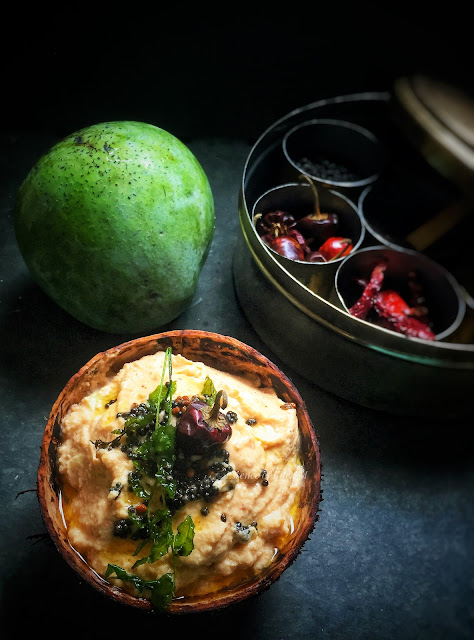
"Delicious and tangy Palakkad Style Raw Mango Pachadi, a nostalgic recipe that brings back cherished memories."
"Palakkad Style Raw Mango Pachadi – A Taste of Memories and Tradition"

    I can almost taste the memories as if they were mango slices themselves. Velliamma's love and care were not just limited to the kitchen; she stitched me a brief in a jiffy when I lost one during our evening swims at the nearby pond. That white brief with small black dots is etched in my heart forever.

    As I lovingly recreate the Raw Mango Pachadi, I find that much like the ingredients melding into a harmonious paste, the threads of my treasured memories entwine seamlessly. The fragrance of ripe mangoes, the gentle embrace of the summer sun, the echoes of laughter during temple festivities, leisurely evening strolls accompanied by heart warming conversations & small girl-things with Kunjatta chechi – all these fragments of time unfurl before me like scenes in a vivid play, allowing me to relive those cherished moments once again. Though my dear Salguna Velliamma has left this world, her legacy remains vividly alive through the tantalizing taste and delightful flavours of this dish.

Explore further Kerala Sadhya Recipes here...


Culinary Style - South Indian Recipe (Kerala)
Category - Condiment
Skill Level -
Intermediate
Yield - 1.5 to 2 Cups 
Created By - SM

Preparation Time - 20 to 30 Minutes 
Ready to Relish - Instant 


Discover more Culinary Treasures from God's Own Country here...


"Tangy Time Travel: Palakkad Style Raw Mango Pachadi"
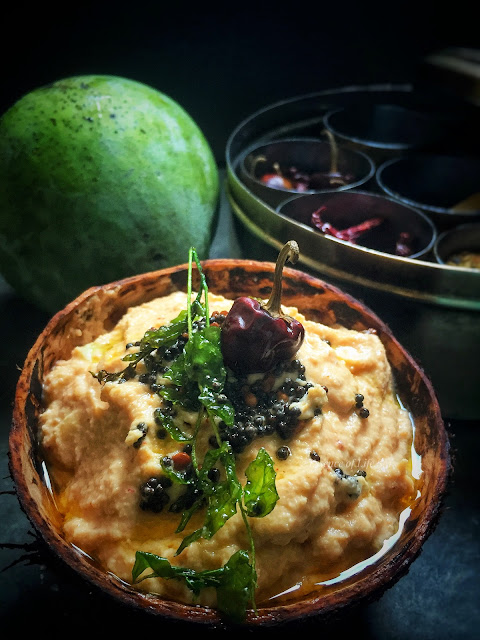
"Delicious and tangy Palakkad Style Raw Mango Pachadi, a nostalgic recipe that brings back cherished memories."
"Palakkad Style Raw Mango Pachadi – A Taste of Memories and Tradition"

Ingredients:

For Manga Pachadi:

  • 1 Raw mango (tart and green) diced
  • 1/2 Cup Grated Coconut 
  • 1 teaspoon Yellow/Black Mustard Seeds
  • 2-3 Dry Red Chillies (adjust to taste)
  • Salt to taste
  • 2–3 Tablespoons of Curd/Yogurt
  • A small marble-sized ball of Tamarind pulp (optional)

For Tempering:

  • 1 tablespoon Coconut Oil
  • 1/2 Teaspoon Mustard Seeds
  • 1-2 Dry Red Chillies
  • A sprig of Curry Leaves


Method:

For Manga Pachadi: 

  • Heat a teaspoon of oil and roast the dry chillies on a very low flame, until they fluff up.
  • In a blender, combine diced raw mangoes, grated coconut, yellow mustard seeds, dry red chillies, salt, and curd. For an extra tangy kick, you can add tamarind pulp too.
  • Blend the mixture into a smooth paste, adjusting the consistency with a splash of water if needed.

For Tempering:

  • Heat a tablespoon of coconut oil in a pan. 
  • Add mustard seeds and let them splutter. Toss in dry red chillies and curry leaves, letting their aroma wafting in the air. 
  • Pour the Manga Pachadi into this sizzling symphony, infusing it with a burst of flavour & cook this on a very low flame for a few minutes.  Switch off the flame.
"Delicious and tangy Palakkad Style Raw Mango Pachadi, a nostalgic recipe that brings back cherished memories."
"Palakkad Style Raw Mango Pachadi – A Taste of Memories and Tradition"


Notes:

  • Choosing Raw Mangoes: Opt for green and tart raw mangoes for an authentic Palakkad-style taste. The sourness of the mangoes is essential to balance the flavours.
  • Adjusting Heat Level: The number of dry red chillies can be adjusted according to your spice tolerance.  For a milder version, reduce the number of chillies or remove the seeds before blending.
  • Variations in Chillies: Experiment with both dry red chillies and fresh green chillies for variations in heat and colour.  This adds a playful twist to the pachadi, just like my cherished memories.
  • Tamarind Tanginess: Adding a small marble-sized ball of tamarind pulp enhances the tanginess of the pachadi.  This can be omitted if you prefer a purer mango flavour.
  • Blending Consistency:While blending the main paste, aim for a smooth yet slightly coarse texture.  Add a little water/curd as needed to achieve the desired consistency.
  • Coconut Creaminess: The grated coconut adds creaminess and body to the pachadi.  Ensure the coconut is fresh and finely grated for the best results.
  • Tempering Aromatics: Coconut oil is traditional for tempering, but you can use any cooking oil you prefer.  The tempering of mustard seeds, red chillies, and curry leaves infuses the dish with aroma and flavour.
  • Serving Suggestions: Raw Mango Pachadi is a versatile side dish, which can be served as one dish in Kerala Sadhya.  And it pairs well with rice, kanji (rice porridge), paal kanji etc., It adds a burst of tanginess to your meal and complements well.  When it comes to my personal preference, a plate of piping hot rice paired with this Manga Pachadi is a temptation I simply can't resist. I find myself indulging in an extra serving without a hint of guilt – that's how deep my affection for this dish runs.
  • Preserving and Storage: Store any leftover pachadi in an airtight container in the refrigerator.  The flavours tend to meld and intensify after a day, making it even more delicious. Use it within 2–3 days.


    And there you have it – Palakkad Style Raw Mango Pachadi that's not just a recipe, but a time machine to treasured moments. As I take each bite, I'm transported to the temple festivities, the cool pond swims, and the love-filled culinary adventures with my dear Velliamma. So, join me in the kitchen, and let's whip up a dish that's brimming with flavours and stories.

    That's a wrap for today, my fellow food adventurers. Until next time, keep cooking, keep smiling, and keep relishing the Essence of Life through Food!

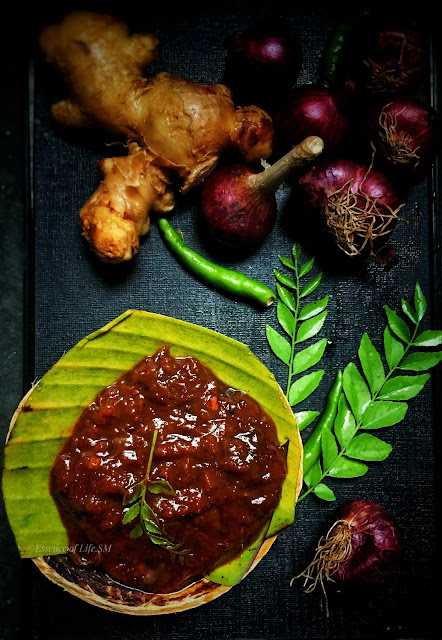

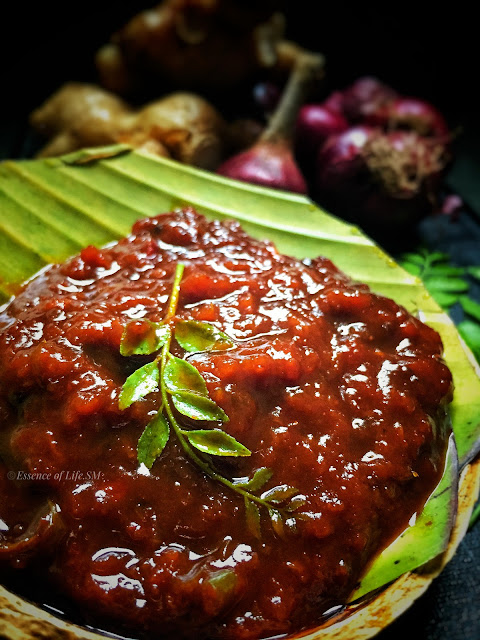
"Amma's Palakkad Style Inji Puli, a South Indian ginger curry with tamarind, jaggery, and aromatic spices."
'Amma's Palakkad Style Inji Puli' 

"Authentic Palakkad Style Inji Puli (ഇഞ്à´šി à´ªുà´³ി)Recipe -  Kerala Ginger Pickle" 

There is a specific kind of magic that happens when ginger, tamarind, and jaggery meet in a hot pan of coconut oil. Inji Puli (ഇഞ്à´šി à´ªുà´³ി) is not just a condiment; it is the heartbeat of a Kerala Sadhya. This Palakkad-style version, with its unique addition of shallots, creates a symphony of tangy, spicy, and sweet notes that dance on the tongue. Whether you are prepping for Onam or looking for a soul-soothing accompaniment for curd rice or kanji, this legacy recipe is your ultimate kitchen companion. 

    Oh, I can practically smell the aromatic goodness of Inji Puli already! It’s amazing how one dish can have so many delightful variations. From the simple comfort of the basic version to the rich complexity of the Varutharacha Inji Puli, and the heartwarming touch of this Palakkad Style—it’s like a journey through my own childhood with pages filled with flavours & memories.

    In my home, Inji Puli isn’t just food; it’s a "catacomb of memories." It is the first thing I crave when sickness lingers; that sharp tang and ginger heat act as a healing agent for my soul. It’s a bridge between generations, a recipe lovingly passed down from my Amma, which I have passed on to my daughter, and now I share with you.


"Amma's Palakkad Style Inji Puli, a South Indian ginger curry with tamarind, jaggery, and aromatic spices."
'Palakkad Style Inji Puli' – Amma's Special Inji Curry

The Perpetual Steel Dappa: A Legacy of my Amma's Love

    My mother’s Inji Puli holds a special space in my heart. Inji Puli is a permanent resident on our dining table: a small steel dappa (container) filled with this dark, oil glistening (longer shelf life) ginger curry. It was a default, perpetual item, every single morning, it was the side dish for my parents' kanji. In our home, Amma’s Sambar and Inji Puli had an "omnipresence"; she would make fresh batches the moment they began to dwindle, ensuring the jar was never empty.

Cooking Classes of Clemmi Thathi over a costly STD Call

    Life eventually drifted me toward new traditions. I remember my first Good Friday after marriage, standing in my in-laws' kitchen while my mother-in-law was in the hospital to bystand my sister law who was down with Typhoid. I was cooking the entire Sadhya alone for the first time! 

    You all might ask a Sadhya for Good Friday? Thats the tradition in our in-laws household. Once the cooking was done, I had called the "Great Clemmi Thathi" (my MIL’s mother) on an expensive STD line(in 90s) to ask about a blouse courier, but the conversation turned into a marathon cooking lesson. She taught me her Quick-Fix Inji Puli and Mathanga Erissery right there on the phone, a call that cost so much it was talked about for years!

    While I treasure that quick version and the rich Varutharacha Inji Puli my MIL later perfected, it is Amma’s Palakkad style that remains my soul food. Years later, when I was bedridden with a brutal combination of gastroenteritis and chicken pox, it was this very dish I craved. My loving daughter made it for me with such care and love, serving it with Paal Kanji to soothe my stomach and satiate my mind.

The Soul of the Recipe: Palakkad Style Inji Puli

    In the Palakkad tradition, our culinary narrative expands to include shallots—the humble companions to ginger, green chillies, and curry leaves. Every ingredient is meticulously minced into tiny pieces, coming together to create a texture that is as rich as its history. The symphony of flavours unfolds as thick tamarind paste and golden jaggery intertwine with an ensemble of spices. 

    It is a tantalizing dance of sweet, tangy, and spicy notes, finished with a final, aromatic flourish of asafoetida and toasted fenugreek seeds. This is more than just a condiment; it is a legacy recipe passed down through generations—a true testament to the flavours that define our family and heritage.

Now, it stands as my soul food from my roots passed on to my daughter as an heirloom!!!

Why You Will Love This Recipe

  • The "Amma" Touch: The addition of shallots adds a caramelized depth unique to the Palakkad style. And its a Family Recipe cooked and served for years.
  • Digestive Agent: Perfect for heavy feast days or when you're feeling under the weather.
  • The Perfect Balance: It's a medley of flavours: sour (tamarind), sweet (jaggery), and spice (ginger/chillies).
  • Nostalgia in a Jar: A taste that reminds you of home and heritage.


Other Inji Puli Variations

  • Sadhya Inji Puli (Quick Fix Version) – The one I learned over that famous STD call.
  • Varutharacha Inji Curry – The artisanal, slow-roasted version with an incredible shelf life.
  • Inji Thayir (Ginger in Yogurt) – A cool, refreshing digestive side dish.

"Ready to cook a grand Grand Kerala Sadhya? Explore more Onam/Vishu Sadhya Recipes here... and bring the authentic taste of tradition to your banana leaf."


Recipe Overview

  • Cuisine: South Indian (Palakkad/Kerala)
  • Recipe Type: Condiment / Pickle
  • Yields: 2 to 2.5 Cups
  • Servings: 20–25 servings
  • Difficulty: Intermediate
  • Author: SM @ Essence of Life - Food

Time Estimate

  • Preparation Time: 20 Minutes
  • Cooking Time: 30 Minutes
  • Total Time: 50 Minutes
 

How to Cook Amma's Palakkad Style Inji Puli 

"Amma's Palakkad Style Inji Puli, a South Indian ginger curry with tamarind, jaggery, and aromatic spices."
Authentic Kerala Inji Curry/ Puli Inji -  Amma's Palakkad Style Inji Puli

Ingredients for Palakkad Style Inji Puli

The Base Tempering:

  • 3 tbsp Coconut Oil
  • 1/2 tsp Mustard Seeds
  • 1/4 tsp Fenugreek Seeds (Uluva)
  • 2 Dry Red Chillies
  • 1/4 tsp Asafoetida Powder (Kayam)


The Aromatics (The Palakkad Special):

  • 1/2 cup Ginger (finely chopped)
  • 4-5 Green Chillies (cut into rounds)
  • 6-8 Shallots (finely chopped)
  • A handful of Curry Leaves


The Spices & Seasoning:

  • 1/2 tsp Turmeric Powder
  • 1 tsp Red Chilli Powder (adjust to your heat preference)
  • 2 tbsp Tamarind Paste (thick extract)
  • 2 tbsp Jaggery (adjust based on tamarind tartness)
  • Salt to taste
  • Water as needed

Method - Detailed Cooking Instructions

Step 1 - The Tempering: 

  • Heat 2 tablespoons of coconut oil in a pan. Splutter the mustard and fenugreek seeds. Add dry red chillies and asafoetida, letting them sizzle until fragrant. Let the flame be at low.
 
Step 2 - Sautéing: 
  • Add the finely chopped shallots, ginger, green chillies, and curry leaves. Sauté until the shallots turn a beautiful golden brown and the ginger is aromatic.

Pro Tip: In the Palakkad style, shallots play a major role in Inji Puli, ensure the shallots and the ginger are minced into tiny pieces.

Step 3 - Spicing it up: 

  • Stir in the turmeric and red chilli powder. Give a quick stir on a very low flame. Add the tamarind paste, jaggery, and salt.

Step 4 - The Simmering: 

  • Pour in enough water to create a thick consistency. Let it simmer on low heat as the jaggery combines well with the spices.

Pro Tip: Simmer until the oil separates and the mixture thickens into a dark, jammy consistency. This ensures the flavours meld perfectly.

Step 5 - Cooling: 

  • Once thickened to your liking, turn off the heat. Let it cool completely before transferring to a glass jar.


"Amma's Palakkad Style Inji Puli, a South Indian ginger curry with tamarind, jaggery, and aromatic spices."
'Amma's Palakkad Style Inji Puli' – a symphony of flavours and memories

Pro Tips and Notes

  • The Shallots: Don't skip the shallots! They provide a caramelized sweetness that balances the sharp ginger heat.
  • Tamarind & Jaggery: The hallmark of this dish is the tantalizing blend of sweet, tangy, and spicy notes. Always taste and adjust your jaggery/salt at the final simmer.
  • The Tempering: The tempering in coconut oil with asafoetida and fenugreek seeds is what provides that signature aroma.

Serving Suggestions

  • Traditional Sadhya: Serve a small dollop in the bottom left corner of your banana leaf.  This versatile dish beautifully complements various meal settings. This recipe effortlessly fits into a traditional Sadhya spread, adding a tangy and spicy dimension to the festive Vishu/Onam Sadhya.
  • My personal Favourites: Pairs beautifully with Paal Kanji (Coconut milk rice porridge) or Curd Rice. So simply serve it with Kanji (Rice Porridge)
  • Everyday Lunch: A fantastic companion for rice and any Moru Curry - buttermilk based curries or Sambar.

Storage Suggestions

    Proper storage is the secret to keeping Inji Puli fresh and flavourful. Because it is essentially a cooked preserve, much like a traditional pickle. Its shelf life depends heavily on the moisture content and the oil used.
  • Room Temperature: If cooked properly (until the oil separates) and kept in a cool, dry place, it can stay fresh for up to a week or even 10 days. To ensure this, always use an extra bit of oil during the final stage of cooking and strictly use only a clean, dry spoon for serving.
  • Refrigerator: This is the most reliable method. Stored in an airtight glass jar, it stays perfectly fresh for up to a month.
  • Freezer: For long-term preservation, you can freeze Inji Puli for 3 months to a year. It holds its flavour remarkably well. When you’re ready to use it, simply thaw the required portion and reheat it gently with a tiny splash of water to restore its jammy consistency.

Storage Container:

  • Use only Glass, Porcelain, or Ceramic jars for long-term storage.

  • The "No-Metal" Zone: Avoid using steel, aluminium, or copper containers for storing. Over time, the acidic nature of the tamarind and salt will start "pitting" the metal and react with the condiment. A traditional Bharani (ceramic jar) is the most apt one!


Pro Tip: Like any good perfectly cooked pickle, an extra layer of coconut oil (my Mother suggests gingelly oil though!) on top acts as a natural seal, protecting the ginger from air and moisture, which significantly extends its life.


Palakkaddan Inji Puli' – A classic version from my Amma's Kitchen


FAQs

Q: Why do you add shallots in the Palakkad style? 

  • Shallots add a layer of savoury sweetness and texture that sets the Palakkad version apart from the basic Inji Puli recipes.

Q: Can I use white sugar or cane sugar instead of jaggery?

  • While you can use cane sugar as a substitute, Jaggery (Gud/Sarkara) is traditional used which provides a deep, earthy, and sweetness that balances the sharp acidity of the tamarind in a way that refined sugar cannot. If you want that authentic Sadhya Style dark, jammy glaze and complex flavour profile, jaggery is the essential choice. If you must use a substitute, dark brown sugar is the next best option to mimic that molasses-like depth.

Q: Can I use tamarind water instead of paste? 

  • Yes, just use very thick tamarind extract and simmer it longer to reach the desired thickness.

Q: Is this dish spicy? 

  • It has a kick from the ginger and chillies, but the jaggery and tamarind mellow it out into a balanced condiment.

Recipes You Might Like 

  • Traditional Palakkad Sambar
  • Palakkadan Koottu Kari
  • Palakkad Matta Rice Kanji, Payar, Chammanthu & Pappadam

"Love this recipe? There are hundreds more waiting for you! Discover more culinary treasures from God’s Own Country here…"


A Journey of Flavour and Love

     Whether it's a grand celebration or a simple meal, this Palakkad Style Inji Puli brings a touch of tradition and a burst of flavours to your table. As you whip up these Inji Puli variations, remember that you're not just following recipes – you're creating a tapestry of flavours that's woven with cherished memories and cultural heritage. So, step into the kitchen with a dash of nostalgia and a pinch of love, and let the aromas guide you on this culinary expedition. Palakkad Style Inji Puli, a recipe lovingly passed down through generations, is surely going to be a great addition to your Onam Sadhya.

Planning your own grand feast and feeling a bit overwhelmed? Don't worry, I’ve got you covered! Grab my ebook What I Cook for Onam for a complete guide to a traditional, stress-free Sadhya that tastes just like home."

Happy cooking!


"Vadugapuli Naranga Curry, a unique and flavourful side dish enhancing the Kerala Sadhya experience."
"A Bitter-Sweet & Tangy Tale: Vadugapuli Naranga Curry's Delightful Flavour Journey"

"Burst of Flavour: Vadugapuli Naranga Curry for Sadhya Feast"

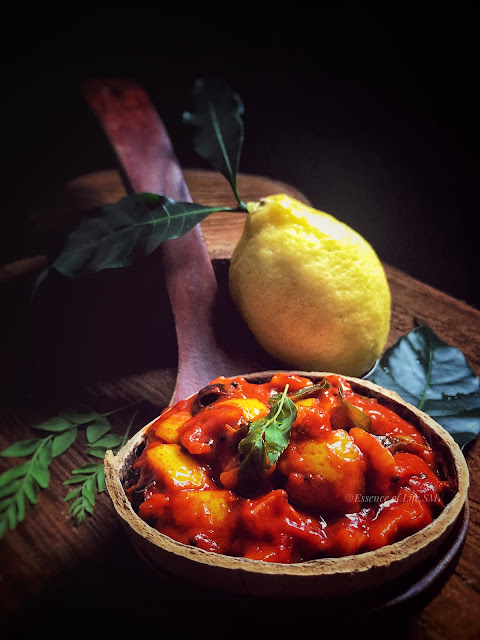
    The quintessential Thodu Curry on the Sadhya list is the Naranga Curry, featuring a variety of lemon known as Vadugapuli Naranga. This unique lemon adds a distinct touch to the curry with its larger size and slightly bitter taste. In Sadhya, the side dishes are carefully crafted to achieve a balance of tastes and flavours, and the Naranga Curry is no exception. It plays its part in highlighting and complementing the overall dining experience by offering a delightful blend of flavours that adds depth and variety to the feast.

    Indulge in the essence of tradition with Vadugapuli Naranga Curry, an Instant Thodu Curry that graces the Sadhya table.  As an integral part of the Sadhya, Naranga Curry embodies the art of balance in flavours and complements the feast by introducing a harmonious blend that enriches the culinary journey. Delve into a world of taste and tradition with every spoonful of this curry.

"Vadugapuli Naranga Curry, a unique and flavourful side dish enhancing the Kerala Sadhya experience."
"A Bitter-Sweet & Tangy Tale: Vadugapuli Naranga Curry's Delightful Flavour Journey"

     "Let's Savour the distinctive charm of traditional Kerala Recipe Vadugapuli Naranga Curry, an essential Sadhya delight with quick cooking tips". Let the larger-than-life flavours and subtle tanginess take you on a bitter-sweet culinary experience. 


Explore further Kerala Sadhya Recipes here...

Culinary Style - South Indian Recipe (Kerala)
Category - Condiment/Pickle 
Skill Level -
Intermediate
Yield - 2 to 2.5 Cups 
Created By - SM

Preparation Time - 20 to 30 Minutes 
Ready to Relish - Instant 


Discover more Culinary Treasures from God's Own Country here...


 "Savour the Bitter-Sweet: Vadugapuli Naranga Curry Recipe for a Complete Sadhya Experience!"

"Vadugapuli Naranga Curry, a unique and flavourful side dish enhancing the Kerala Sadhya experience."
"A Bitter-Sweet & Tangy Tale: Vadugapuli Naranga Curry's Delightful Flavour Journey"

Ingredients:

For Naranga Curry:

  • 2 Green chillies, cut into rounds
  • 1/2 teaspoon Mustard Seeds
  • 1/4 teaspoon Fenugreek Seeds
  • 2-3 Dry Red chillies
  • 1 sprig Curry Leaves
  • 1/8 Teaspoon Asafoetida Powder
  • 1/2 Teaspoon Turmeric Powder
  • 2 Tablespoons Red Chilli Powder
  • 1 tablespoon Coconut Oil

To cook Vadugapuli Naranga:

  • Vadugapuli Naranga (big-sized lemon)
  • 2 cups Water
  • 1/4 teaspoon Turmeric Powder
  • Salt to taste


Method:

  • Wash the Vadugapuli Naranga (lemons) thoroughly.
  • The thick skin of Vadugapuli Naranga requires special attention in certain recipes. Some cooking methods suggest steaming the lemon briefly or soaking it in hot water for 15–20 minutes to soften it before cutting.
  • Then cut them into small pieces. Remove the seeds and set aside.
  • Heat a small pan over low heat and dry roast the fenugreek seeds, until fragrant. Allow them to cool.
  • Grind the roasted fenugreek into a fine powder using a spice grinder or mortar and pestle. Set aside.

 For Naranga Curry:

  • In a separate pan, heat coconut oil over medium heat. Add mustard seeds and allow them to splutter. Then, dry red chillies, and curry leaves. Sauté for a few seconds until aromatic.
  • Add the lemon pieces and sliced green chillies to the pan. Stir well to coat the lemon pieces with the tempered spices.
  • Add salt, asafoetida, turmeric powder and red chilli powder and cook for an additional 2–3 minutes, allowing the flavours to meld together.
  • Add a pinch of Sugar & adjust salt if needed.
  • Remove from heat and transfer the Vadugapuli Naranga Curry to a serving dish.
  • Serve the Naranga Curry as a side dish in Kerala Sadhya, complementing the other dishes and adding a touch of tanginess and bitterness to the overall flavour profile.

Dive into an Array of Pickle Recipes here...


"Vadugapuli Naranga Curry, a unique and flavourful side dish enhancing the Kerala Sadhya experience."
"A Bitter-Sweet & Tangy Tale: Vadugapuli Naranga Curry's Delightful Flavour Journey"

Notes:

  • Selecting the right lemons: Look for big-sized Vadugapuli Naranga lemons with a slightly bitter taste. The unique flavour of these lemons is essential for an authentic curry.
  • Tenderizing the lemon: Due to the thick skin, it's recommended to steam the lemons for a few minutes or soak them in hot water for 15–20 minutes before cutting. This helps in softening the lemon and making it easier to cook.
  • Adjusting spice levels: The level of spiciness in the curry can be customized according to your preference. If you prefer a spicier taste, you can add more red chilli powder or even include some chopped green chillies during the cooking process.
  • Balance of flavours: Vadugapuli Naranga Curry is all about achieving a balance of tastes. Ensure you don't overpower the tanginess of the lemons or the bitterness by using the right amount of spices and tempering & jaggery.

Tips & Trivia:

  • Careful cutting: When cutting the lemons, remove the seeds and any tough inner membranes. You can slice the lemons into small pieces or cut them into wedges, whichever you prefer.
  • Soaking method: If you choose the soaking method, ensure that the hot water covers the lemons entirely. Let them soak for 15–20 minutes, and then proceed with the recipe.
  • Tempering technique: The tempering of mustard seeds, fenugreek seeds, dry red chillies, and curry leaves is crucial for imparting a distinct flavour to the curry. Add a tinge of Jaggery to balance the overall taste of this curry. Pay attention to this step, as it enhances the overall taste of the dish.
  • Storage and serving: Vadugapuli Naranga Curry tastes best when freshly made. However, you can store any leftovers in an airtight container in the refrigerator for a day or two. Reheating is not advisable, as it can make the Naranga Curry bitter.
  • Pairing suggestions: Vadugapuli Naranga Curry pairs wonderfully with rice dishes like Sadhya, or plain steamed rice, It also complements curd rice.  Serve it with kanji (rice porridge), paal kanji etc., for a delightful twist.
 

    Enjoy the unique flavours of Vadugapuli Naranga Curry as it enhances the culinary experience of Sadhya, balancing the tastes and highlighting the richness of the feast. With this simple recipe let us master the Vadugapuli Naranga Curry Recipe for Sadhya.


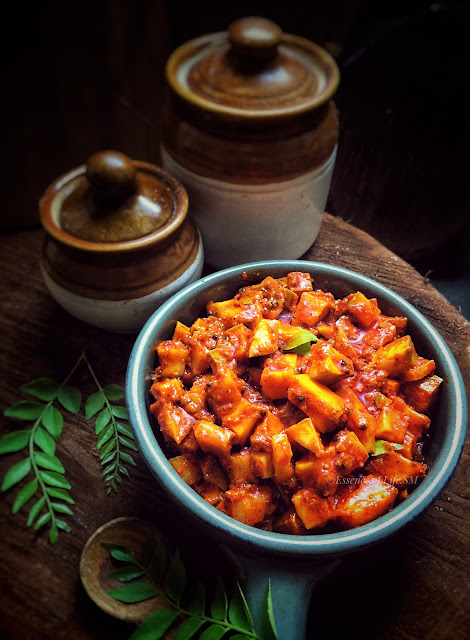
"A jar of Instant Kerala Sadhya Achar, a traditional South Indian pickle bursting with flavours."
"Taste the Tradition: Instant Kerala Sadhya Achar Recipe"

    Celebrating the joyous arrival of Onam, I'm excited to share a collection of fitting Sadhya recipes to enhance your Onam feast this year from Authentic Kerala Cuisine. And what better way to start than with the quintessential Kerala Sadhya Achar? Let's dive into the rich flavours and traditions of Onam Sadhya together.

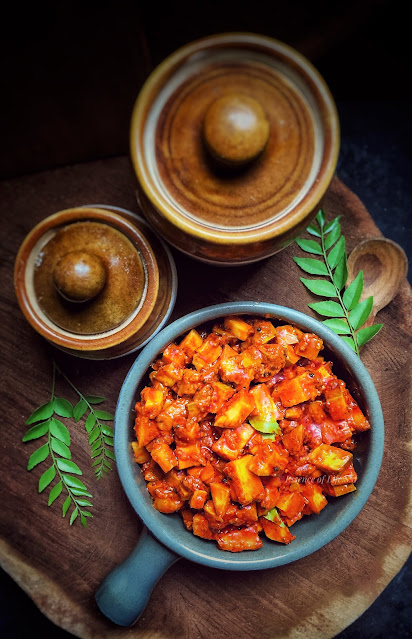
    Experience the authentic flavours of Kerala with this Instant Kadu Manga Achar, a quintessential tangy and spicy side dish that perfectly complements the Sadhya feast. Bursting with tanginess, spiciness, and a medley of flavours, this quick and easy pickle adds a delightful twist to your culinary endeavours. In this blog post, let me guide you through the steps to create this mouthwatering dish, a quick-fix pickle, ensuring you can enjoy the goodness of Kerala's traditional cuisine in no time.

    Reflecting on this Instant Kerala Sadhya Achar, my thoughts are flooded with cherished memories from family weddings, which is Inclusive of Culinary Celebrations -The Heart warming Essence of Sadhya Preparation.

    Delving into the cherished traditions of Kerala, one finds the heart-warming essence of Sadhya preparation during family weddings and festive occasions. This authentic experience goes beyond the culinary delights, encompassing a communal spirit that binds families and neighbours together in a tapestry of flavours and camaraderie.

    Cooking as a Collective Endeavour, during these special occasions, the kitchen becomes a hub of activity, with family members and neighbours joining hands to bring the Sadhya to life. Guided by a seasoned main cook, the collective effort transforms the kitchen into a space brimming with shared laughter, stories, and the clinking of glasses, as a sense of togetherness infuses every moment.

"A jar of Instant Kerala Sadhya Achar, a traditional South Indian pickle bursting with flavours."
"Taste the Tradition: Instant Kerala Sadhya Achar Recipe"

    The preparation journey begins with a unique connection to nature - From Backyard to Table. The sight of family members and neighbours gathering mangoes from backyard trees, both within the family's premises and neighbouring gardens, adds an element of community sourcing. These mangoes, hand-picked for their freshness, become a vital ingredient in the Sadhya experience.

    As the sun sets and the day mellows into evening, the kitchen comes alive with purpose. The first steps involve the rhythmic grating of coconuts, a task that unites hands and hearts. A particularly special moment arrives as the raw mangoes are prepared for Sadhya Achar, employing the traditional technique of "Kothi Ariyal," a cutting method. Amidst tales of yesteryears, lively banter, shared stories and perhaps a few sips, this process transforms into an occasion of storytelling and connection.

    The clinking of glasses and joyful camaraderie punctuate the air as the cooking unfolds. As spices are ground, vegetables chopped, and dishes crafted, the kitchen becomes a space where culinary expertise merges with the warmth of relationships. It's not just about food; it's about weaving memories and strengthening bonds. It's a Culinary Bonding and Festive Revelry.

"A jar of Instant Kerala Sadhya Achar, a traditional South Indian pickle bursting with flavours."
"Taste the Tradition: Instant Kerala Sadhya Achar Recipe"

Explore further Kerala Sadhya Recipes here...

Culinary Style - South Indian Recipe (Kerala)
Category - Pickle 
Skill Level - Effortless 
Yield - 2 to 2.5 Cups 
Created By - SM

Preparation Time - 20 to 30 Minutes 
Ready to Relish - Instant 

Discover more Culinary Treasures from God's Own Country here...


Instant Kadu Manga Achar Recipe for an Authentic Kerala Sadhya Experience


"A jar of Instant Kerala Sadhya Achar, a traditional South Indian pickle bursting with flavours."
"Taste the Tradition: Instant Kerala Sadhya Achar Recipe"

Ingredients:

  • 2 Raw Mangoes, peeled and grated
  • 1 tablespoons Mustard Seeds
  • 1 tablespoons Fenugreek Seeds
  • 4-5 Dry Red Chillies
  • 1/2 teaspoon Turmeric Powder
  • 1/2 teaspoon Asafoetida
  • 2 tablespoons Gingelly Oil (Indian Sesame Oil)
  • Salt to taste

Method:

  • Dry roast mustard seeds, fenugreek seeds, and dry red chillies until fragrant. Allow them to cool and grind into a fine powder.
  • In a mixing bowl, combine grated raw mangoes, turmeric powder, asafoetida, and the ground spice powder.
  • Heat sesame oil in a pan and splutter mustard seeds.
  • Pour the hot oil with mustard seeds over the mango mixture. Add salt and mix well.
  • Allow the pickle to cool and transfer it to an airtight jar. Let it sit for a day to meld the flavours.
  • Serve the Instant Kadu Manga Achar with your Kerala Sadhya or any meal for a burst of tangy goodness.
Dive into an Array of Pickle Recipes here...


"A jar of Instant Kerala Sadhya Achar, a traditional South Indian pickle bursting with flavours."
"Taste the Tradition: Instant Kerala Sadhya Achar Recipe"

Notes:

  • Choosing Raw Mangoes: Opt for fresh and firm raw mangoes for the best results. The tartness of the mangoes contributes to the well-balanced flavours of the Achar.
  • Adjusting Spice Levels: The spiciness of the Achar can be tailored to your preference by adding more or fewer red chillies. Remember, the Achar's flavour profile is a delightful blend of tanginess and spice.
  • Pairing Suggestions: Apart from being a staple in Sadhya, this Achar complements a variety of dishes. It's a wonderful accompaniment to curd rice, kanji (rice porridge), paal kanji etc.,
  • Experimentation: While the recipe is rooted in tradition, feel free to experiment by adding a touch of personal flair. Some variations include incorporating roasted fenugreek powder or adjusting the sweetness level with jaggery.
  • Storage suggestion: Please note that this Instant Achar recipe does not contain any preservatives like vinegar. As a result, the pickle is best consumed within a short period of time. To maximize its freshness, store it in the refrigerator, where it can be kept for a few days. Enjoy the flavours of this homemade pickle while it's at its tastiest!


    This Instant Sadhya Achar, a traditional Kerala recipe, not only tantalizes the taste buds but also brings to life a tapestry of cultural and familial connections with a burst of flavours. Its instant preparation allows you to recreate the vibrant flavours of traditional Sadhya even in the busiest of times. As you relish each tangy bite, you're not just savouring a condiment, but immersing yourself in the rich heritage and camaraderie that accompanies every Sadhya feast. Embrace the flavours, the memories, and the sense of togetherness that this Quick-fix Manga Achar embodies, making every meal a celebration of tradition and unity.

    In the heart of Kerala's vibrant traditions, the process of Sadhya preparation unveils a narrative that extends far beyond the dining table. It's a story of unity, of shared laughter, and of culinary delights shaped by hands that come together in celebration. The kitchen becomes a cherished space where the past, present, and future intersect, creating an experience that's as unforgettable as the feast itself. 


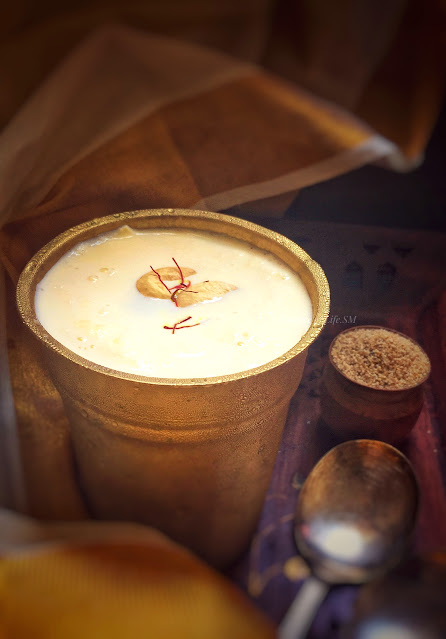
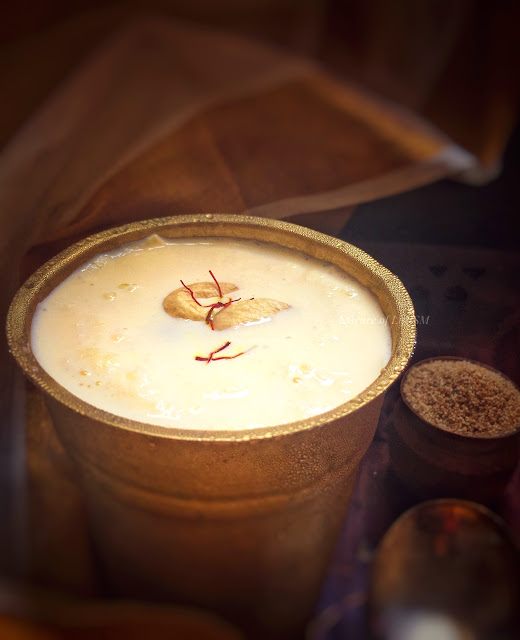
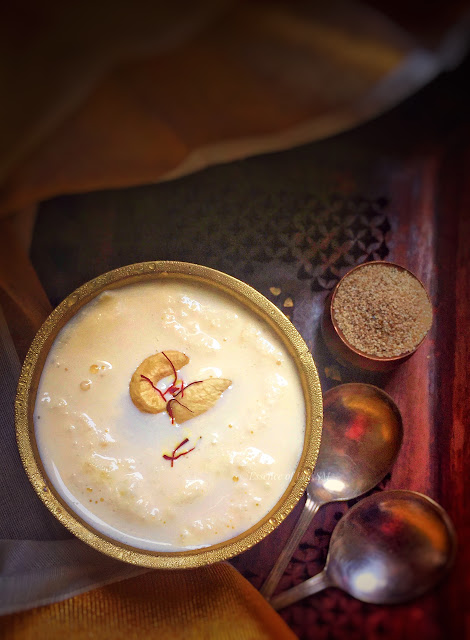
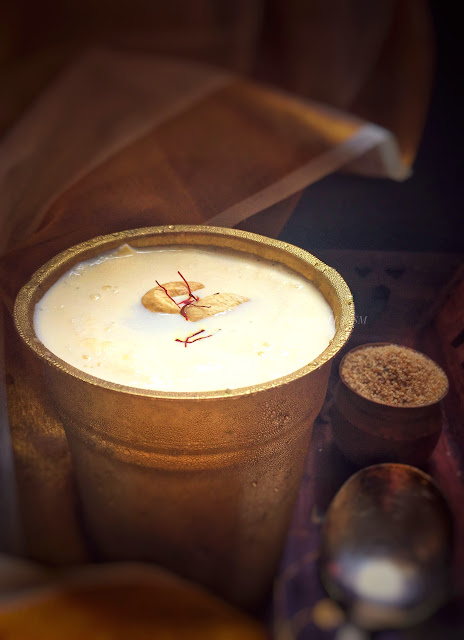
"A glass of Gase Gase Payasam garnished with roasted cashew nuts and saffron - A heavenly dessert from Karnataka, India."
"Gase Gase Payasam: Karnataka's Nutty Delight for Festive Feasts!"

    Gase Gase/Kasa Kasa Payasam, also known as Poppy Seeds Payasam, is a delectable dessert with roots in the rich culinary heritage of Karnataka, India. The dish finds its origins in the ancient culture, where traditional recipes were often crafted using local ingredients and aromatic spices. Poppy seeds, or Kasa Kasa, have been valued for their nutty flavour and medicinal properties in traditional Indian medicine and cuisine for centuries. Over time, this delightful Payasam has become an integral part of the auspicious festival celebrations, symbolizing abundance, fertility, and happiness.

    Kasa Kasa/Khus Khus Payasam is a luscious dessert that the tantalizes taste buds with the perfect balance of creamy sweetness and a subtle nutty undertone from the poppy seeds. The velvety texture, combined with the delicate fragrance of cardamom and the richness of ghee (clarified butter), makes it an absolute delight for dessert enthusiasts.

    Today, I would like to share with you an enchanting dessert recipe that embodies the essence of Karnataka's gastronomic heritage - Gase Gase Payasam. This sumptuous delicacy combines the subtle nuttiness of roasted poppy seeds with the creaminess of coconut milk, the sweetness of jaggery, and the fragrance of cardamom. A festive favourite, Poppy Seeds Payasam, is a symbol of joy and togetherness, perfect for celebrating special occasions with loved ones.

"A glass of Gase Gase Payasam garnished with roasted cashew nuts and saffron - A heavenly dessert from Karnataka, India."
"Gase Gase Payasam: Karnataka's Nutty Delight for Festive Feasts!"

     Gase Gase Payasam is more than just a dessert; it is a celebration of Karnataka's culinary artistry and the warmth of its cultural traditions. As you savour each spoonful, let the flavours transport you to the heart of Karnataka, where food unites people and festivities come alive in every bite. Embrace the legacy of Gase Gase Payasam and create cherished memories with your family and friends as you indulge in this divine delight.

For Delectable Payasam/Pradhaman/Kheer Recipes, Click here ...  

Author: SM
Recipe Details:
  • Cuisine: Karnataka, India
  • Recipe Type: Payasam/Pradhaman/Kheer (Dessert)
  • Difficulty: Medium
  • Serves: 3-4

Time Details:

  • Preparation Time: 25–30 Minutes
  • Soaking Tome: 20–30 Minutes
  • Cooking Time: 30–45 Minutes


For more recipes from Karnataka Culinary Heritage, click the link


Gase Gase Payasam - A Delightful Karnataka Dessert

"A glass of Gase Gase Payasam garnished with roasted cashew nuts and saffron - A heavenly dessert from Karnataka, India."
"Gase Gase Payasam: Karnataka's Nutty Delight for Festive Feasts!"

Ingredients:

To Roast & Grind:

  • 3 tablespoons Poppy Seeds (Gase Gase/Kasa Kasa/Khus Khus), roasted
  • 3 tablespoons Raw Rice, lightly roasted
  • 1/2 cup grated Coconut

For Kasa Kasa Payasam

  • 1/2 cup Jaggery, grated or powdered
  • 1 cup Coconut Milk (or cow's milk as an alternative)
  • 1/4 teaspoon cardamom powder
  • 2 tablespoons ghee (clarified butter)
  • 1/4 cup broken cashew nuts, roasted
  • 1/4 cup raisins, roasted
  • A pinch of saffron strands (optional)
  • Water

Method:

  • In a pan, roast the poppy seeds on a low flame until they splutter and release their exquisite aroma. Then soak the roasted poppy seeds in 1/2 cup of water for about 20–30 minutes.  
  • In a mixer or blender, combine the roasted poppy seeds, rice, and grated coconut. Grind them into a smooth paste, adding a little water if needed.
  • Meanwhile, lightly roast the raw rice for a few minutes without changing its colour. Set them aside to cool.
  • In a separate pan, prepare a jaggery syrup by dissolving the grated or powdered jaggery in water. Strain to remove impurities, if any.
  • In a large, heavy-bottomed vessel, heat ghee over medium heat. Add broken cashew nuts, raisins and roast until they turn golden.
  • Now, add the ground poppy seed-rice-coconut paste to the vessel with ghee. Sauté it on low heat until the raw aroma disappears.
  • Pour in the jaggery syrup, followed by the coconut milk (or cow's milk). Stir gently to blend the flavours.
  • Sprinkle the magical cardamom powder and add saffron strands for an aromatic touch.
  • Let the Payasam simmer on low heat until it reaches a luscious, pourable consistency.
  • Serve the Gase Gase Payasam warm, garnished with the roasted cashew nuts and plumped raisins. Share this delightful dessert with your loved ones, relishing the traditions of Karnataka as you celebrate joyous occasions together.
""A glass of Gase Gase Payasam garnished with roasted cashew nuts and saffron - A heavenly dessert from Karnataka, India."
"Gase Gase Payasam: Karnataka's Nutty Delight for Festive Feasts!"

Notes:

  • Roasting Poppy Seeds and Rice: Take care to roast the poppy seeds on a low flame until they splutter and release their captivating aroma. Similarly, lightly roast the raw rice to enhance its flavours without changing its colour. Proper roasting is crucial for achieving the authentic taste and texture of Gase Gase Payasam.
  • Soaking Time: Ensure that the poppy seeds are soaked for 20–30 minutes before grinding. This softens the seeds and makes the grinding process easier, resulting in a smoother paste.
  • Jaggery Syrup: While preparing the jaggery syrup, you may strain it to remove any impurities or particles for a clean and velvety Payasam. The colour of the Jaggery I used was very light and hence I got a light coloured Gase Gase Payasam.
  • Cardamom and Saffron: The addition of cardamom powder and saffron strands elevates the aroma and flavour of the Payasam. Use these aromatic spices judiciously to strike the perfect balance.
  • Milk Options: For a traditional touch, use coconut milk. However, you can also substitute it with cow's milk if preferred. Both options offer a creamy and delightful Payasam.
  • Consistency: As the Payasam simmers, it will thicken slightly. Aim for a pourable consistency that coats the back of a spoon. If it becomes too thick upon cooling, you can add a little warm milk or water to achieve the desired texture.
  • Garnishing: The roasted cashew nuts and plumped raisins add a delightful crunch and sweetness to the Payasam. Customize the garnish according to your taste and preference.
  • Serving Suggestions: Gase Gase Payasam is best served warm, just after preparation, for the ultimate indulgence. However, you can also chill it if you prefer a cold dessert. It tastes equally delightful when served both ways.
  • Storage: If there are any leftovers (although it's hard to resist!), refrigerate them in an airtight container. Before reheating, gently warm the Payasam on the stovetop over low heat to retain its creamy texture and flavours.

    Remember, cooking is an art, and slight variations can make each dish unique. Feel free to experiment with the recipe to suit your taste preferences and create your own masterpiece of Gase Gase Payasam. Enjoy the delightful journey of flavours and traditions with this cherished Karnataka dessert!

Newer Posts Older Posts Home
Search Essence of Life - Food

I Me Myself

A vintage-style horizontal oval frame showcasing ornate silver spoons on a dark rustic surface

Essence of Life - Food is all about daily cooking with a simple sense of taste and health. It is all about food. Not a day goes by without eating for most of us, so what we eat matters on the whole. Food in the mode of goodness increases the duration of life, purifies one's existence, and gives strength, health, happiness, and satisfaction. Above all ingredients, the most vital one in my kitchen is love.

Sm @ Essence of Life - Food

Popular Posts

  • Kizhi Parotta: Kothu Parotta and Salna Wrapped in Banana Leaves
  • Pesaha Appam & Paal Recipe | Traditional Kerala Indri Appam for Maundy Thursday
  • How to Make Kerala Kanji | Traditional Rice Porridge with Payar, Chammanthi & Achar
  • Madurai Mutton Chukka Varuval
  • Fish Nirvana Recipe | Authentic Kerala Style Kingfish

Labels

AROUND THE WORLD BAKING BEVERAGES BIRIYANI & PULAO BREAKFAST CURRIES DESSERTS FROM GODS OWN COUNTRY From My Family's Kitchen - Heirloom Recipes GLOSSARY HOW TO... KERALA PALAHARAM KONGU CUISINE KUIH MUIH MALAYSIAN CUISINE MIDDLE EASTERN CUISINE Manvasanai - Flavours from Tamil Soil PICKLES RICE DISHES ROTIS SADHYA SNACKS & SAVOURIES SOUPS SPICE POWDERS TIFFIN ITEMS VIRUNDHU WINES eBook
Ebook - What I Cook - For Onam

Ebook - “What I Cook - For Onam”

Amazon.com/dp/B0CGPVY6J3

Indulge in Kerala’s Culinary Heritage: Traditional Onam Sadhya Recipes, with Expert Serving Tips! Celebrate Onam the authentic way! Discover 25 timeless Kerala Sadya recipes in my ebook. From avial to payasam, bring home the flavours of tradition. Available now on Amazon!

Essence of Life

Subscribe & Follow

© 2026 | Essence of Life - Food

  • Home
  • Ask First
    Please note that all rights for the photographs and texts on this blog, unless otherwise mentioned, rests with the author. Please do not use without permission.
  • Privacy Policy