The Exotic Pantry: Unveiling the Unique Herbs of Southeast Asian Cuisine
Welcome to a culinary journey where we unlock the secrets of the exotic pantry that defines Malaysian and Southeast Asian cooking. From the vibrant markets of Malaysia to the bustling streets of Thailand & Indonesia, a treasure trove of unique herbs, spices, and ingredients awaits, ready to transform your cooking into an authentic feast for the senses. In this post, we'll explore these culinary jewels, their uses, and how they contribute to the rich, complex flavours characteristic of this region's dishes.
"Nyonya Tiga Rasa Steamed Fish: History and Cultural Significance"
Introduction to Nyonya Cuisine
Peranakan Cuisine or Nyonya cooking is a distinctive and delightful fusion found in the Malay/Indonesian community. This unique cooking style blends Chinese ingredients with a variety of distinct spices and techniques influenced by Malay, Indonesian, and Siamese cultures. The combination of Chinese culinary practices and local spices gives Peranakan Cuisine its unique charm. Let's explore the rich heritage of Nyonya flavours and cooking techniques.
Nyonya food is renowned for its refined balance of sweet, sour, salty, and spicy flavours, creating a harmonious infusion of tastes and vibrant colours. As Amitav Ghosh eloquently puts it in his novel, Glass Palace, Nyonya Food is one of the "world's last kept secrets." This cuisine is a refined blend of Yin & Yang, with a perfect balance of sweet, sour, salty, and spiciness, all wonderfully infused with vibrant flavours and colours. Personally, I find many Peranakan dishes reminiscent of Cochin and Goan styles of cooking.
Discovering Tiga Rasa Steamed Fish
Initially, when we first moved to Malaysia, I couldn't quite enjoy these steamed fish dishes while dining out. Like many other local delicacies, they took some getting used to. Gradually, however, I developed a taste for them. As I always say, "it's an acquired taste." This was true for Thai cuisine as well. Over time, I began to appreciate the complex flavours and unique spices that define Nyonya Style Tiga Rasa Steamed Fish.
And now, this steamed fish recipe has become a beloved favourite in our home. I’ve taken the plunge into cooking it myself, even using ingredients that were once unfamiliar to me. Whenever I find fresh Siakap (Sea Bass) at the wet market—often at a great price—I seize the opportunity to prepare this authentic Malay Style Seafood dish.
A Perfect Blend of Flavours
This Nyonya Style Tiga Rasa Steamed Fish offers a delightful blend of three key flavours: sweet, sour, and spicy. The name "Tiga Rasa" translates to "Three Tastes" in Malay, perfectly capturing the essence of this dish. Cooked in the authentic Peranakan style, this recipe features an incredible blend of spices and herbs, including Lemongrass, Ginger Flower, Laksa Leaves, and Kaffir Lime Leaves.
Serving Suggestions
For the best experience, serve this flavourful steamed fish with Fragrant Jasmine Rice or any rice dish of your choice. The combination of the aromatic rice with the vibrant Tiga Rasa fish is simply irresistible.
Clean the fish and marinate it with salt, sugar, lemon juice, and vinegar. Leave it aside for 15–20 minutes.
Steam the fish for 8 minutes over medium heat with ginger, coriander leaves, and spring onions. Once cooked, remove the fish and discard the water.
Preparing the Paste:
Dry roast the shrimp paste for a few minutes.
Soak dried chillies in hot water for 15 minutes, then grind all the ingredients listed under 'To Grind' into a smooth paste.
Cooking the Sauce:
Heat oil and fry the ground paste until fragrant over medium flame.
Add ginger buds and Laksa leaves, then pour in 1/2 cup water, salt, sugar, lemon juice, and the sauce mix. Stir well and simmer on low flame for a few minutes.
Combining and Garnishing:
Pour the sauce mixture over the steamed fish and cook for a few more minutes.
Garnish with chopped coriander leaves, spring onions, and kaffir lime leaves.
Serving:
Serve Nyonya Style Tiga Rasa Steamed Fish hot, accompanied by fragrant rice or your favourite rice dish.
Notes:
Alternatively, you can deep-fry the fish by adding 2 tablespoons of corn starch to the marinating ingredients.
Adjust the spiciness according to your preference.
Steaming the fish and discarding the water helps eliminate any fishy smell.
Variations and Serving Suggestions:
Seafood Medley: Replace sea bass with prawns or squid to create a seafood extravaganza.
Vegetarian Option: Substitute fish with firm tofu or egg tofu for a delightful vegetarian alternative.
Occasion-Specific: Serve elegantly on banana leaves for a traditional touch at festive gatherings. Pair with Jasmine Rice or Fried Rice for a complete meal.
Garnish with Perfection: Serve garnished with sliced cucumbers or pineapples for added texture and flavour.
Discover the essence of Nyonya culinary heritage with this culinary wonder - Nyonya Tiga Rasa Steamed Fish recipe. Whether it's a family dinner or a festive occasion, this dish blends the vibrant flavours of Malaysia—spicy chillies, tangy sauces, and fragrant herbs—into a harmonious symphony on your plate. Loved for its simplicity and authentic taste, it continues to be a cherished favourite & a popular recipe in Essence of Life-Food. Embrace tradition, elevate your dining experience, and create lasting memories with this delightful Nyonya classic!
"Unlock the Secret to Exquisite Nyonya Prawn Curry with Pineapples"
"Indulge in Nyonya Prawn Curry with Pineapples: A Cornucopia of Flavours unique to Peranakan Cuisine"
Here, let me introduce you all into the vibrant world of Nyonya cuisine, with this tantalizing Nyonya Prawn Curry with Pineapples! Prepare your taste buds for an explosion of exotic flavours as we take a culinary journey through this Vibrant Malaysian Sea food dish.
"Indulge in the Exquisite Flavours of Pegaga Masak Lemak Chili Api"
Pegaga Masak Lemak Chili Api: A Culinary Nod to Health and Heritage
Ah, the infamous memories of being nudged into eating something for its alleged health benefits! That's exactly what comes to mind when I think of Vallarai Keerai (Indian Penny wort). My experience with this green was less than fond, and I suspect many of you can relate to these childhood recollections.
Introducing Pegaga - the Indian Penny wort, or Vallarai Keerai, as it's known in Tamil, is a green that’s woven into the fabric of many childhood memories, including my own. Back in the day, this leaf was almost a celebrity in local communities across India for its reputed health benefits, particularly its ability to boost memory power. My mother, ever the health enthusiast, believed fervently in its benefits. As a result, Vallarai Keerai featured prominently in our meals, often paired with green moong beans to soften its bitter notes. As a child, I wasn't a fan—mostly I’d just gulp it down to avoid the formidable gaze of my mum. While I can’t vouch scientifically for its memory-enhancing properties, it certainly quickened my pace at finishing meals—I was quite the slow eater back then!
Authentic Malaysian Nasi Minyak Recipe with Ayam Masak Merah
Authentic Nasi Minyak Recipe: Malaysian Ghee Rice
Nasi Minyak, or Malaysian Ghee Rice, is the ultimate festive, aromatic rice dish that anchors traditional Malay weddings and festive Raya feasts. Infused with pandan, lemongrass, and rich evaporated milk, this fluffy basmati rice dish offers a cornucopia of flavours and vibrant colours that elevate any meal. Learn how to cook perfect, non-greasy Nasi Minyak using a stovetop, rice cooker, or microwave with our authentic, foolproof recipe guide.
Nasi Kuning - Indonesian Yellow Rice is a vibrant, richly flavoured tasty rice dish cooked with Coconut Milk, Turmeric and Local herbs like Lemon Leaves, Lemon Grass, Pandan Leaves & Bay Leaves. This is a popular Rice Dish from Indonesia but has a noteworthy influence of Sri Lankan Cuisine. Nasi Kuning also called as Nasi Kunyit is a fragrant rice dish which is vibrantly yellow and symbolises a pile of Gold in Indonesian culture. So it is a traditional custom to serve Nasi Kuning during festive occasions and special events.
This brightly yellow coloured Nasi Kuning is served in the form of a cone called Tumpeng. A cone-shaped out of a Banana Leaf. Nasi Kuning/Nasi Kunyit goes well with spicy side dishes like Rendang, Sambal, etc., I made this batch along with Beef Rendang, the aroma of both Nasi Kuning and Beef Rendang was wafting around the house. A combined smell of spices, local herbs & pandan leaves.
Though traditionally Nasi Kuning is slow-cooked in a steamer, I usually cook this rice dish in a Rice Cooker which is absolutely an easy and quick way of getting the job done. I have also given other methods of cooking this simple rice dish. What matters in every method is the perfect Rice Water Ratio.
Cuisine - Indonesia (South East Asian)
Course - Main Course
Spice Level -Low
Difficulty - Easy
Serves - 3- 4
Author - SM
Preparation Time - 15 - 20 Minutes
Cooking Time - 25 - 30 Minutes
HOW TO COOK NASI KUNING - INDONESIAN YELLOW RICE
NASI KUNING - INDONESIAN YELLOW RICE
INGREDIENTS:
For Nasi Kuning:
Fragrant Rice - 2 Cups
Thick Coconut Milk - 1 Cup
Thin Coconut Milk - 11/2 Cup
Turmeric Powder - 1 Teaspoon
Pandan/Screwpine Leaves - 2 Leaves
Lemon Leaves -2 Leaves
Bay Leaf - 1 Leaf
Lemon Grass - 1 Stalk
Salt - To Taste
METHOD:
In a Sauce Pan:
Clean and wash the rice until water runs clear or for 2-3 times.
Place the rice in a saucepan big enough to hold the Rice & Coconut Milk.
Add enough Coconut Milk/Water to cover the rice by a little over 3/4 inch above the rice.
For 2 Cups of rice, I use just over 31/2 cups of Coconut Milk/Water.
Add Turmeric Powder, Lemon Leaves, Bay Leaf, Crushed Lemon Grass Stalk and Pandan/Screwpine leaves tied into a knot to the Rice.
Add a dash of Salt to the above and Mix well.
Keeping the saucepan uncovered, bring the rice to a boil.
Once the Coconut Milk/Water begins to boil, lower the flame.
Cover the pot and cook the rice on a low flame for about 15-20 minutes.
Once the rice is cooked, remove from fire and keep it aside for at least 10 minutes to cool down.
Fluff up the Nasi Kuning with a fork or a chopstick before serving.
Make a nice Cone out of the Nasi Kuning, sprinkle some Serundeng & finely chopped Bird's Eye Chillies over the Rice.
Decorate the Nasi Kuning Cone(Tumpeng) with a Banana Leaf and serve it along with sliced Cucumbers, Rendang or Sambal.
Rice Cooker Method:
Clean and wash the rice until water runs clear or for 2-3 times.
Place 2 Cups of Fragrant Rice in the rice cooker
Add 21/2 Cups of Coconut Milk/Water.
Add Turmeric Powder, Lemon Leaves, Bay Leaf, Crushed Lemon Grass Stalk and Pandan/Screwpine leaves tied into a knot to the Rice.
Add a dash of Salt to the above and Mix well.
Cover the Rice Cooker and turn it on.
Cook until it automatically turns off.
Leave the Rice Cooker in warm mode for another 5-10 minutes.
Allow it to cool for few minutes.
Fluff up the Nasi Kuning with a fork or a chopstick before serving.
Make a nice Cone out of the Nasi Kuning, sprinkle some Serundeng & finely chopped Bird's Eye Chillies over the Rice.
Decorate the Nasi Kuning Cone(Tumpeng) with a Banana Leaf and serve it along with sliced Cucumbers, Rendang or Sambal.
In Microwave:
Clean and wash the rice until water runs clear or for 2-3 times.
Place 2 Cups of Fragrant Rice in a Microwave safe Bowl with cover.
Boil 23/4 Cups of Coconut Milk/Water on a low flame stirring continuously.
Pour the hot Coconut Milk/Water to the fragrant Rice.
Add Turmeric Powder, Lemon Leaves, Bay Leaf, Crushed Lemon Grass Stalk and Pandan/Screwpine leaves tied into a knot to the Rice.
Add a dash of Salt to the above and Mix well.
Cover the bowl and cook on Micropower High for 5-7 minutes.
Stir the Rice once and cook again on Micropower high for another 5-7 minutes or until the rice is cooked.
Remove from the Microwave and leave it aside for few minutes to cool down.
Fluff up the Nasi Kuning with a fork or a chopstick before serving.
Make a nice Cone out of the Nasi Kuning, sprinkle some Serundeng* & finely chopped Bird's Eye Chillies over the Rice.
Decorate the Nasi Kuning Cone(Tumpeng) with a Banana Leaf and serve it along with sliced Cucumbers, Rendang or Sambal.
NOTES:
I have used Fragrant Rice for Nasi Kuning. Can use any other long grained Raw Rice variety for the purpose.
I have used Thick and Thin Coconut Milk to cook Nasi Kuning.
Using Coconut Milk while cooking the fragrant Rice yields a rich and flavourful Nasi Kuning recipe.
Can substitute half the amount of Coconut Milk with Water.
If you cannot get hold of Pandan/Screwpine Leaves, add few drops of Pandan/Kewra Essence to the Rice.
Nasi Kuning goes well with any type of spicy Vegetarian or Non-Vegetarian Curries and Side dishes.
*Serundeng is an Indonesian spicy fried coconut flake, which is made from sautéing grated coconut and is often used as a side dish to accompany rice.
LETS SPICE IT UP {K-N}
KAFFIR LIME LEAVES
KAFFIR LIME LEAVES
Kaffir Lime leaves belongs to the citrus family. It has a distinctive lime-lemon aroma and flavour. It has a strong citrus flavour. It is indispensable in Thai, Malaysian & Indonesian cooking. Both the fruit and leaves are edible.
Medicinal Uses :
Ointments are made with essential oils.
The rinds are used to make tonics.
Kaffir lime leaves cleans the hair and invigorates the scalp.
Used as a natural bleach to remove tough stains.
Purify the blood.
Digestive aid.
Promotes gum health and is recommended for use in brushing teeth and gums.
Culinary Uses :
Used in Thai, Malaysian and Indonesian dishes.
Used in soups, curries and stir-fried dishes.
Used along with lemon grass and lime juice in tom yam.
Flavour broth or stew.
Fresh leaves are used in salads or garnishes .
KALPASI/STONE FLOWER
KALPASI/STONE FLOWER
Kalpasi/ Black Stone Flower is a species of lichen used as spice in India. One of the ingredients in East Indian cooking. this mystery flower is believed to be grown in some parts of Tamil Nadu and is an important ingredient in Chettinad food. Its upper surface is dark green or black and whiter inside, Kalpasi has a strong earthy aroma and dry texture.
Medicinal Uses :
Relieves Pain.
Heals wounds.
Treat skin problems.
Reduces inflammation.
Improves digestion.
Has antibacterial properties.
Is effective against protozoa.
Helps maintain body temperatue.
Helps to tone up the Urinary tract.
Suppresses respiratory disorders.
Culinary Uses:
Kalpasi is used to cook meat dishes.
It has a wild aromatic flavour, so it is used to add aroma to soups and curries.
It is also used in dishes like nahari, Bombay biryani, Goan meat stews.
Kalpasi is also used as food by many cultures around the world.
It is an essential ingredient in Goda Masala or Kala Masala.
LEMON GRASS
LEMON GRASS
Lemongrass belongs to the grass family. The fresh stalks and leaves have a lemony odour. It tastes like ginger but with a citrus kick. Only the lower bulbous portion of the stem is used. Can be used in dried or powdered forms.
Medicinal Uses:
Tonic and stimulant
Diuretic
Relief of menstrual troubles and nause
Fever
Insect Repellent
Oil is used to make perfumes
Anti-microbial and anti-bacterial
Detoxify the liver, kidney, bladder & pancreas
Healthy skin
Reduce acne and pimples
Soothes the nervous tension and anxiety
Culinary Uses :
Widely used in Indonesian, Malaysian, Sri Lankan and Indian cuisine
Used in savoury dishes and meat, poultry, seafood and vegetable curries.
It harmonizes well with coconut milk, especially with chicken or seafood.
The stems are also used to make herbal teas.
Used in pickles and in flavouring marinades.
LICORICE
Licorice is mainly cultivated for its medicinal properties. It is mainly used in indigenous medicines. The roots are sweet in taste and has a specific pleasant flavour.
Medicinal Uses:
Coughs
Flatulence
Colon cleanser
Sore throat
Ulcers
Weight Loss
Help stop smoking
Relieve the symptoms of hepatitis B and hepatitis C
Culinary Uses :
Natural sweetener and may be used in place of sugar.
Flavoring agent in tobacco products.
To make herbal tea.
LONG PEPPER
Long Pepper/Pipli is a vine cultivated for its fruit, which is dried and used as a spice and seasoning. Long pepper has a similar, but hotter, taste to Black Pepper. Long pepper consists of many minuscule fruits embedded on its surface.
Medicinal Uses :
The fruits and roots are used as medicine for respiratory disease
Used in Indian and Nepalese vegetable pickles and preserves.
It is the main spice in Pakistani Nihari dish.
It is also used in some North African spice mixtures.
It is also used in Indonesian and Malaysian cuisine.
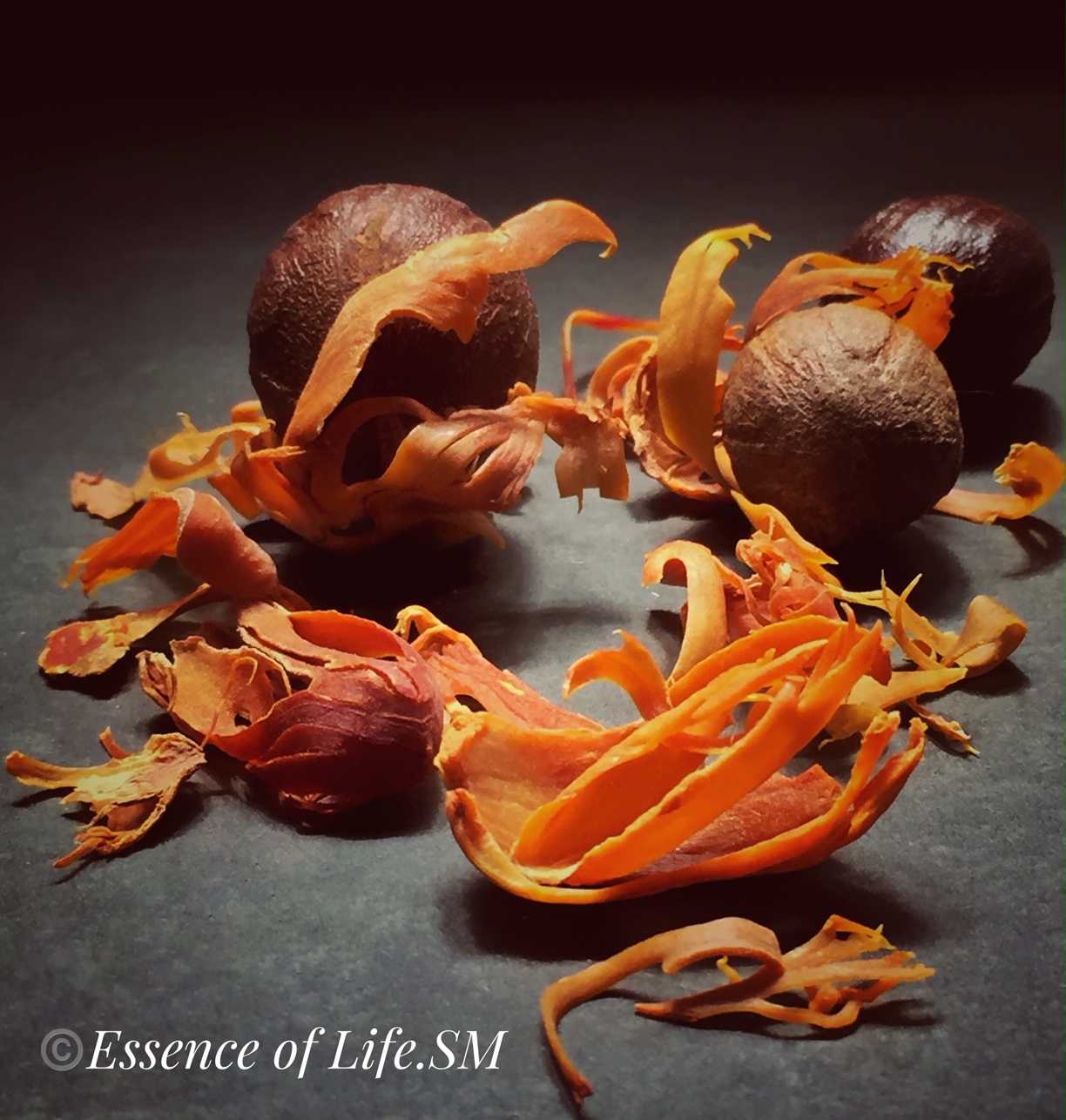
MACE
MACE
Mace is the outer covering of the Nutmeg seed. It has a similar flavor to Nutmeg, but is more subtle and less intense.
Medicinal Uses:
Digestive aid
Flatulence
Appetizer
Nausea
Diarrhea
Carminative
Astringent
Aphrodisiac
Culinary Uses :
Used as condiment in sweet foods.
Used as a standard seasoning in many Dutch dishes.
Used in the preparation of meat products, soups & sauces.
Used in baked foods, confectioneries, puddings.
The fruit is crystallized or pickled or made into jellies.
Used in curries and masalas.
MARATHI MOGGU/KAPOK BUDS
MARATHI MOGGU/ KAPOK BUDS
Marathi Moggu/ Kapok Bud is a spice used mostly in Karnataka Cuisine. Marathi Moggu yields no smell when it is raw, so it is usually fried in oil, so that its full flavour is released. It has a tase which is similar to that of a combination of mustard and black pepper.
Medicinal Uses:
Is used in treating Asthma
Kapok Buds are used to treat Fever
It is also used to treat diarrhea.
It helps to heal wounds.
Kapok Buds serve as a diuretic and as a purgative.
Culinary Uses :
It is used in dishes such as Bisi Bele Bath, Saagu, Karnataka style kootus.
Several Andhra style dishes uses this as a specialty spice.
This spice is widely used in preparing curry powders.
It is one important spice which finds a special place in Chettinad Cuisine.
MINT
MINT LEAVES
Mint is an aromatic herb. Mint is strong and sweet with a tangy flavor and a cool after taste.
Medicinal Uses:
Appetizer
Digestive aid
Indigestion
Flatulence
Nausea and motion sickness
Headache
Carminative
Mouth freshener
Respiratory disorders, cough & asthma
Culinary Uses :
To make herbal tea.
Used to season meat.
Used in making chutney and dips.
Used to enhance flavours in pulaos & biriyanis.
To make alcoholic beverages.
MUSTARD SEEDS
MUSTARD SEEDS
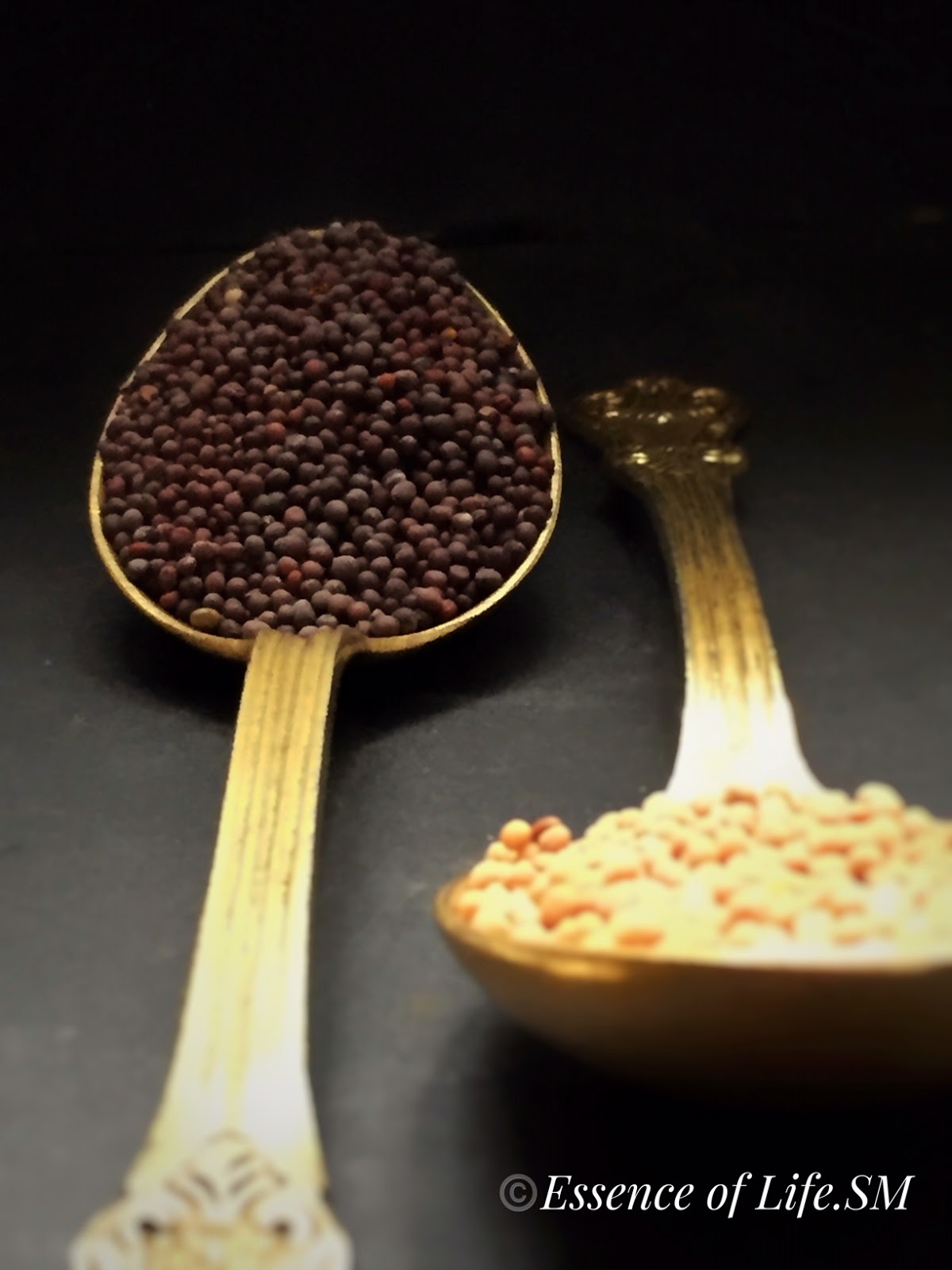
Mustard plants produce bright yellow flowers that contain small round seeds; brown mustard is more pungent than white.It has a spicy flavour with a distinct aroma when mixed with water or tempered. Mustard leaves and seeds are both edible. Oil is extracted from the seed, which is used for both cooking and therapeutic purposes.
BLACK MUSTARD SEEDS
Medicinal Uses:
Dyspepsia
Laxative
Bowel conditions
Liniment
Epilepsy
Tooth ache
Stiff neck, rheumatism
Colic and respiratory troubles
Treats bruises
Induce vomiting
For scorpion stings and snake bites
YELLOW MUSTARD SEEDS
Culinary Uses :
Used in pickling spice
Spice mixtures for cooking meats and seafood
Used in marinades.
Flavouring barbecue sauces, baked beans and meat dishes.
To flavour deviled eggs and beets.
Mustard seeds are used for tempering many dishes
NUTMEG
NUTMEG
Nutmeg is the seed kernel inside the nutmeg fruit and mace is the lacy covering on the kernel. Nutmeg has a pungent odour and sweeter taste.
Medicinal Uses :
Diarrhea,
Dyspepsia
Colic
Digestive aid
Appetite loss
Reduce flatulence
Vomiting and nausea
Culinary Uses :
Used in both sweet & spicy dishes
To flavour pies, puddings, custards, cookies and spice cakes.
It combines well with many cheese
It is included in soufflés and cheese sauces.
It is used to enhance flavours in soups.
It flavours Italian mortadella sausages, Scottish haggis and Middle Eastern lamb dishes.
Moroccan spice blend ras el hanout contains nutmeg.
It is indispensable to eggnog.
It is used in numerous mulled wines and punches.
This is a simple Padang(Indonesia) style Chicken Curry called Gulai Ayam. Gulai is a type of rich Coconut milk based Curry prevalent in Indonesia, Malaysia and Singapore. Commonly Chicken, Beef, Lamb, Fish or Seafood are added as a basic ingredient into this type of Curry. Vegetarian versions prepared with Raw Jackfruit(Nangka), Bamboo shoots(Rebung) and Cassava/Tapioca Leaves(Singkong/Daun Ubi Tumbuk) can also be found. Gulai has a wonderful thick consistency and creamy texture with a strong note of local spices & herbs in the curry, making it rich, tasty and aromatic.
Though a dish which originated from Sumatra (Indonesia), the Curry is literally a twisted version of Indian Curry prepared with local herb & spices. Vegetables or meat are slow cooked in the spice mix along with Coconut milk until you get a perfect yellow coloured, thick and creamy Gulai(Curry). All the more this Curry is quite aromatic and flavourful.
We happened to taste this Indonesian Chicken Curry/Gulai Ayam, during our recent visit to a nearby Island of Indonesia, Batam. This Curry on the menu caught my eye and when asked, the Indonesian girl who took orders for the food said it is a nice Curry. Though I have seen quite many versions served in local Malay restaurants, I have never tried this curry before. They served the curry in a clay pot - small skin on Chicken pieces and Potato chunks in a Coconut milk based curry was well spiced but very light and tasty. We combined it up with fragrant rice and it was divine. The taste of Gulai Ayam lingered in my taste buds even long after I left Batam.
Cuisine - Indonesia (South East Asian)
Recipe Type - Curry
Spice Level - Medium-High
Difficulty -Medium
Serves -3- 4
Author - SM
Preparation Time - 15 - 20 Minutes
Cooking Time - 25 - 30 Minutes
HOW TO MAKE INDONESIAN CHICKEN CURRY RECIPE GULAI AYAM
INGREDIENTS :
Chicken - 1/2 Kg.
Potatoes - 3 Nos.
Lemongrass - 1 Stalk
Bay Leaf - 1 Leaf
Thick Coconut Milk - 1/2 Cup
Thin Coconut Milk - 3/4 - 1 Cup
Salt - To Taste
Gula Melaka/Palm Sugar - 1 Tspn
Oil - 3 Tbspn
Cook Potatoes with a dash of Salt until soft. Keep this aside
Dry toast the Candle Nuts until fragrant for few minutes.
Grind all the ingredients mentioned under 'For the Rempah Paste' into a smooth paste.
Trim and Crush the Lemon Grass(white part only).
Heat Oil in a deep pan, add Bay Leaf, crushed Lemon Grass and give a quick stir.
Add the Rempah paste and Sauté it until aromatic and oil separates from the mix.
Add Chicken Pieces along with a dash of salt and cook until chicken pieces turn soft.
Add cooked Potato cubes to the above mix and give a quick stir.
Pour the thin coconut milk and boil it on a low flame, stirring occasionally.
Add the Thick Coconut Milk, Gula Melaka/Palm Sugar and mix well.
Cook on a very low flame for few minutes.
Adjust the consistency of the Indonesian Chicken Curry/Gulai Ayam.
Garnish Indonesian Chicken Curry/Gulai Ayam with shredded Kaffir Lime Leaves.
Serve Indonesian Chicken Curry/Gulai Ayam hot, with Fragrant Rice or Steamed Rice.
NOTES :
Can substitute, chicken with Lamb, Beef or Pork.
Fish, Seafood or Vegetables like Raw Jackfruit, Bamboo Shoots or Tapioca Leaves can also be used as the basic ingredient in this Curry.
Adjust the number of Chillies to suit your spice level.
Authentic recipe uses skin-on Chicken pieces, but I have used chicken pieces without skin.
Adding Potatoes to the Curry is truly optional.
APPAM RECIPE
"Appam" is indigenous to Kerala, an integral part of Kerala Cuisine. A signature dish popularized by Kerala Syrian Christians. A popular breakfast dish equally competent along with Puttu & Idiyappam. Not only that it is served as a breakfast dish, but it also takes a special place in most of the Festive Menu List. A day of importance/special occasion in a Christian household, surely calls for Appam & Stew in the menu.
INDONESIAN PRAWN CURRY
Indonesian Prawn Curry is a fabulous dish, filled with flavours and spices, originally from Java, Indonesia. It's one of the benchmark dishes famous not only in Indonesia but also in Malaysia and Singapore as well.
Indonesia is a land with many islands, so seafood makes an important part of their daily life.This spicy dish perfectly conjures up with Indonesia' s Tropical Climate. Their curries are typically rich and diverse with ingredients such as lemon grass, galangal, turmeric root, belacan/shrimp paste etc., Most of their curries are hot, tangy and filled with flavorful elements.
Needless to say, the combination of this spicy curry with coconut milk along with all the flavouring leaves and seasonings makes this Indonesian recipe one of our favourites.
This authentic recipe is one of the easiest dishes and can be made within minutes.
Cuisine : Javanese, Indonesian (South East Asian)
Course : Side Dish
Spice Level : Medium
Difficulty : Medium
Serves : 3-4
Author : SM
Preparation Time : 20 - 30 Minutes
Cooking Time : 20 - 30 Minutes
Sambal Fried Rice is a Spicy Fried Rice with Shrimps/Prawns, Eggs, Carrots, Greens and fresh homemade Sambal.The best about a Fried Rice is that it is quite adaptable, versatile and can cater to satisfy your whims and fancies. This spicy Sambal Fried Rice is not the HOT type, but the spicy type which can treat your spice reckoned taste buds to utmost satisfaction. Freshly prepared Sambal has a fragrance that makes this Fried Rice inviting and beckons you to eat more.
Sambal is a hot & spicy condiment mainly prepared with Red Chillies, Spices, Herbs and Aromatics. Though Fried Rice/Nasi Goreng has nothing to do with being Spicy, it has adapted along with the Cuisine unique to Malaysia, Indonesia and Singapore. It is a literal adaptation associated with Culture more than Cuisine where Sambal is one base condiment, sauce or relish which can be incorporated into almost every dish.
I have prepared fresh Sambal for this Sambal Fried Rice, by soaking Dry Red Chillies and grinding it along with Shallots, Garlic, Galangal and Belacan. If you are from a region where these fresh ingredients aren't available, you can go for store-bought Sambal Paste from Asian Groceries.
Cook the fragrant rice as per instruction and allow it cool.
Heat 2 Tspn of Oil in a large pan, fry or scramble the Eggs.
Remove it from the pan and keep it aside.
Cut Lemon Grass Stalk into small pieces, use just the white part of it.
Can Grind the Lemon Grass along with the Sambal ingredients, or just bruise them and add it while sauteing.
Peel, devein and wash the Prawns/Shrimps. Keep them aside.
Heat Oil in a pan/wok, Saute finely chopped Onions, Garlic and Bird's eye chillies until onions turn translucent.
Add Sambal Paste and fry this on a high flame for 2-3 minutes.
Pour in Light Soy Sauce and give a quick stir.
Add Prawns/Shrimps, finely diced Carrots along with a dash of Salt and a pinch of Sugar.
Allow it to cook on a high flame for few minutes.
Add cooked Fragrant Rice.
Drizzle Rice Wine Vinegar over the rice.
Mix it well until every grain is well coated with the Sauces and Sambal.
Stir in finely shredded Cabbage and Scrambled Eggs to the rice.
Fry the rice on a high flame for few minutes or until the rice is dry.
Switch off the flame.
Garnish Sambal Fried Rice with finely chopped Spring Onions/Chives.
Serve Sambal Fried Rice hot with any dips, sauces or side dishes of your choice.
NOTES :
I used the long- wrinkled variety which is less spicy. To reduce the spiciness can snip off the soaked dry chillies into two and de-seed them.
Adjust the number of Chillies to suit your spice level.
Blend the shallots coarsely.
Grind the paste with less water to avoid splattering while sauteing the Sambal in high flame.
Can add Sugar instead of Palm sugar.
Any fragrant long-grained rice variety can be used for the recipe.
Use a day old cooked rice for best results. Obviously, keep them refrigerated.
Can add any vegetable of your choice in this Fried Rice.
Can also Chicken Pieces, Fish or any other Seafood.
Can fry the Eggs and use them as a side dish or scramble them up and mix along with the fried rice.
IKAN BAKAR PARI /STINGRAY GRILLED IN BANANA LEAVES
Ikan Bakar is one of the most popular dishes in and around Malaysia, Singapore and Indonesia. Traditionally, marinated Sting Ray or Skate Fish is wrapped in a banana leaf and grilled over charcoal fire. Ikan Bakar literally means "burned fish" in Malay and Indonesian. This is one of the classic Indonesian dishes.
Ikan Bakar can often be found in most of the food courts and eateries all over Malaysia, Singapore and in Indonesia. It is a very simple dish, but what makes it special and unique is its marinade - the Chilli Paste and the way it is cooked. The smell of burnt banana leaves adds a smoky flavour to the fish, and the spiciness of the Sambal gets infused into the layers of the fish enhancing the overall taste of the dish. It is usually served with a tangy sauce made out of tamarind juice, light soy sauce, sugar, chopped onions and sliced chillies. The sour and spicy condiments complement so perfectly with the spicy fish adding an extra zing to it compared to eating Ikan Bakar as it is. Goes well with Aromatic Jasmine Rice.
If you can’t find stingray or skate, just use other flat fish like sole or flounder, or even dory fish fillet for this recipe. My son is not a big fan of fish. But when cooked in this style he loves it and even tries them when we dine out at Hawker Centers. This recipe reminds me of the Kerala Style of cooking fish wrapped in banana leaves 'MEEN POLLICHATHU'. But the main variation is the marinade.
Cuisine : Malay, Indonesian
Course : Side Dish
Spice Level : High
Difficulty : Medium
Serves : 2-4
Author : SM
Preparation Time - 20 - 30 Minutes
Marination Time - 10 - 15 Minutes
Cooking Time - 30 - 45 Minutes
INGREDIENTS:
Sting Ray - 2 Pieces (100 Gms each)
Turmeric Powder - 1 Pinch (Optional)
Lime Juice - 1 Tbspn
Salt - To Taste
For Sambal :
Shallots -10-12 Nos.
Garlic - 2-3 Cloves
Ginger - A Small Piece
Bird's Eye Chillies (Chilli Padi) - 4 Nos.
Dry Red Chillies - 8-10 Nos.
Lemongrass (Serai) - 1 Stalk
Toasted Shrimp Paste (Belacan) - 1 Tbsp
Fish Sauce - 2 Tspn
Tamarind - 1 Lime Size
Palm Sugar (Gula Melaka ) - 2 Tbpsn
Salt - To Taste
Oil - 6 tbsp
Mix them along with Tamarind Juice, Light Soy Sauce & Chilli Sauce.
Add a dash of Sugar and Salt.
Can add few drops of Calamansi Juice, if preferred.
NOTES :
Can use any type of fish, but fleshy varieties suit well for this recipe.
Adjust the spice level to your preference.
Remove the seeds from the Dry Chillies, if you prefer a less spicy version.
Can substitute Banana Leaves with Aluminium Foil.
Traditional Ikan Bakar is cooked on a Charcoal Barbecue Grill. Can also grill them in an Oven or use Stove top Grill pan.
*How to Soften Banana Leaves :
Banana Leaves are quite stiff and they tend to break over the lines when you pack them as such. so it's important to soften them before using them as wraps or while packing food items.
Before using the banana leaves in cooking, rinse them and then wipe it dry.
Wipe in the same direction as the lines on the leaf otherwise it may tear.
Wash them and then pat dry the leaves with a dry and clean kitchen/paper towel.
Pass it over the flame of a gas stove or a hot electric burner.
This will slightly wither the leaf and make it easy to handle.
If you find that the leaves are too small to wrap or cook use a small piece as a patch or to make up the difference.
Banana leaves self-seal when heat is applied to it.
You can refrigerate - cut, washed and dried Banana Leaves in a zip lock plastic bags up to 2-3 days.
PETAI FRIED RICE
Petai Fried Rice is a Spicy Fried Rice prepared with a unique addition to a simple Sambal Fried Rice - Petai/Stinky Beans along with Shrimps/Prawns, Eggs, Carrots, Greens and fresh home-made Sambal. The best about a Fried Rice is that it is quite adaptable, versatile and can cater to satisfy your whims and fancies. This spicy Petai Fried Rice is not the HOT type, but the spicy type which can treat your spice reckoned taste buds to utmost satisfaction. Freshly prepared Sambal has an inviting fragrance when mixed along with the pervasive smell of Petai, which makes this Fried Rice inviting and beckons you to eat more. Petai is one of the must-try Malaysian Exotic Food. It is used in South East Asian cooking. It has an acquired taste and a pervasive smell. So it is commonly called as "Stinky Beans". It has a bitter taste and emits a strong odour even after ingestion. Due to its flavour, it is usually cooked in Sambals with other vegetables like Okra, Kacang Botol (Winged Bean/Goa Bean) or with shrimps and served as side dish to rice. This recipe is a unique version of fried rice prepared with Petai.
Sambal is a hot & spicy condiment mainly prepared with Red Chillies, Spices, Herbs and Aromatics. Though Fried Rice/Nasi Goreng has nothing to do with being Spicy, it has adapted along with the Cuisine unique to Malaysia, Indonesia and Singapore. It is a literal adaptation associated with Culture more than Cuisine where Sambal is one base condiment, sauce or relish which can be incorporated into almost every dish.
I have prepared fresh Sambal for this Petai Sambal Fried Rice, by soaking Dry Red Chillies and grinding it along with Shallots, Garlic, Galangal and Belacan. If you are from a region where these fresh ingredients aren't available, you can go for store-bought Sambal Paste from Asian Groceries.
Essence of Life - Food is all about daily cooking with a simple sense of taste and health. It is all about food. Not a day goes by without eating for most of us, so what we eat matters on the whole. Food in the mode of goodness increases the duration of life, purifies one's existence, and gives strength, health, happiness, and satisfaction. Above all ingredients, the most vital one in my kitchen is love.