Essence of Life - Food
  • Home
  • From My Kitchen
    • Heirloom Recipes
    • From God's Own Country
    • Sadhya
    • Kongu Cuisine
    • Chettinaad Cuisine
    • South East Asian
    • Around the World
  • Ebook
  • I Me Myself


Potato Murukku arranged on a dark background, accompanied by a traditional murukku press and a bag of raw potatoes, ideal for festive snacks.
Crunchy Potato Murukku: The Perfect Festive Snack for Diwali Celebrations!

"Crispy Potato Murukku Recipe for Diwali – A Quick and Easy Festive Snack"

Diwali Recipes | Snacks & Savouries

    When I mastered the art of making Tapioca Murukku, I couldn’t resist experimenting further. So, I decided to swap tapioca for potatoes, resulting in yet another delightful quick-fix snack perfect for Diwali – Potato Murukku. While I’ve often procrastinated making Murukkus the traditional way, this recipe is a convenient twist that’s now a staple in my kitchen. The secret? Idiyappam flour as the base ingredient for that perfect crunch.

Pro Tip: Add this to your Diwali snack platter alongside traditional sweets and savouries. For more festive treats, check out my Diwali Snack Collection.


What is Potato Murukku?

    Potato Murukku is a simple and delicious Indian snack made with Idiyappam flour, boiled and mashed potatoes, and a blend of spices. This version features mild seasoning like ajwain (carom seeds) and asafoetida, with a hint of heat from dry red chillies. It’s a quick and easy murukku recipe that’s ready in no time, making it a fantastic choice for tea-time munchies or as part of your Diwali Bakshanam (festive snack) list.

Pro Tip:  If you want to make your Murukku even more festive, add a pinch of asafoetida or a teaspoon of cumin seeds for a flavourful twist.

 
Why You’ll Love This Potato Murukku Recipe
  • Quick and Easy: Takes less time to prepare than traditional murukku recipes.
  • Perfect for Festivities: Ideal for Diwali celebrations and beyond.
  • Flavourful and Crunchy: The combination of potatoes and spices adds a unique taste and texture.

Explore More: Discover a wide collection of Quick Diwali Recipes that’ll save your time and effort in the kitchen.


Ingredients Overview

While I’ll get into the full list later, here’s a sneak peek of the main ingredients:

  • Idiyappam Flour: The key to achieving the classic crispy texture.
  • Boiled Potatoes: Adds softness and flavour to the murukku.
  • Ajwain & Asafoetida: These spices enhance the savoury taste.
  • Dry Red Chillies: For that perfect hint of spice.

Looking for variations? Try this unique Tapioca Murukku for another exciting twist on the classic snack.


The Tradition Meets Convenience Approach

    While the traditional process of making murukku can be time-consuming, this Potato Murukku recipe brings a balance between authenticity and convenience. The use of Idiyappam flour simplifies the preparation without compromising on flavour. It’s a modern take on a timeless classic, allowing you to enjoy festive snacks without the fuss.

Make It Part of Your Diwali Bakshanam

    No Diwali is complete without a variety of snacks, and Potato Murukku is a must-try addition. Its crispy texture and spicy flavour make it a standout among other festive snacks. Plus, it’s versatile enough to be enjoyed throughout the year, not just during festivals.


If you love this crispy Murukku recipe, don’t miss out on my all-time favourite—Coconut Milk Murukku (Thengai Paal Murukku)! Crafted with Babas Murukku Mix, this delectable treat is a must-try for your festive table!


Potato Murukku Recipe Overview

  • Cuisine: Indian
  • Recipe Type: Snacks & Savouries
  • Spice Level: Medium
  • Difficulty: Medium
  • Yields: 40-45 medium-sized Murukkus
  • Author: SM

Time Estimate

  • Preparation Time: 25–30 Minutes
  • Cooking Time: 30–45 Minutes


    If you're short on time, don’t worry! There are also instant versions of Indian Sweets and Savories you can whip up quickly for last-minute celebrations.


    Enjoy Food and Wishing you all a Happy Diwali!!!


Step-by-Step Guide on How to Make Crispy Potato Murukkufor Diwali

 
Golden Potato Murukku arranged alongside a murukku press and various mould plates, showcasing the traditional process of making this Diwali snack.
Get Festive with Potato Murukku: A Crispy Delight for Diwali!


Ingredients for Potato Murukku

To Cook Potatoes:

  • 4 Medium Potatoes
  • Salt – To taste

For the Murukku Dough:

  • 3 Cups Idiyappam Flour (Rice Flour)
  • ¾ Cup Boiled & Mashed Potatoes
  • 3 Tablespoons Butter (room temperature)
  • 6-8 Dry Red Chillies
  • 1 Teaspoon Ajwain (Carom Seeds)
  • ¼ Teaspoon Asafoetida
  • Salt – To taste
  • Approximately 1 Cup Water (adjust as needed)

For Deep Frying:

  • Oil – As needed for frying

Explore more recipes: Try a variety of Instant Murukku Recipes, if you’re looking for delicious variations this Diwali.


Method – How to Make Potato Murukku

Preparing the Potatoes

  • Clean, wash, and boil the potatoes (with skin on) in a pressure cooker, adding a pinch of salt.
  • Cook on high flame for 2 whistles, then reduce the heat and cook for another 2-3 whistles.
  • Turn off the heat and allow the pressure to release naturally.
  • Once cooled, peel and mash the potatoes thoroughly, measuring ¾ cup for the recipe.

Pro Tip: Mashing the potatoes well ensures a smooth dough without lumps, which is essential for shaping perfect murukkus.

Kneading the Dough

  • Soak the dry red chillies in hot water for 10–15 minutes.
  • Grind the soaked chillies into a fine paste, adding a little water if needed.
  • In a mixing bowl, combine the mashed potatoes, chilli paste, Idiyappam flour, butter, ajwain, asafoetida, and salt.
  • Gradually add water to the mixture and knead it into a smooth, soft dough without any cracks.

Pro Tip: The dough should be pliable but not sticky. Adding water little by little helps achieve the right consistency.

Frying the Potato Murukku

  • Heat oil in a deep-frying pan over medium flame.
  • Fill the murukku press with dough and squeeze out a few rounds onto a slotted spoon or a greased plate.
  • Carefully slide the murukku into the hot oil and fry until golden brown.
  • Repeat with the remaining dough, ensuring not to overcrowd the pan.

Pro Tip: Fry the murukku in batches for even cooking and crispiness. The oil temperature should be medium-hot for the best results.


Serving Suggestions

  • Enjoy as a Tea-Time Snack: Serve with a hot cup of chai or coffee.
  • Festive Treat: Add it to your Diwali snack platter along with sweets and other savouries.
  • Gift Idea: Pack in festive boxes for gifting friends and family during celebrations.

Love savoury snacks? Don’t miss out on my Spicy Ribbon Pakoda Recipe, another Diwali favourite!


Storage Tips

  • Store in an Airtight Container: Once cooled completely, transfer the murukku to an airtight container.
  • Lasts up to 10 Days: Stays fresh for a week to 10 days when stored properly.
  • Avoid Moisture Exposure: Keep away from damp areas to maintain crispiness.


FAQs About Potato Murukku

Can I use regular rice flour instead of Idiyappam flour?

  • Yes, but using Idiyappam flour gives a lighter and crispier texture. If using regular rice flour, make sure to use hot water while kneading.

Is butter necessary?

  • Yes, butter adds a rich flavour and ensures the murukku is crispy yet soft inside. Avoid substituting with ghee or margarine.

Can I skip the red chillies?

  • The chillies add a subtle heat, but you can omit them for a milder version.


Notes and Pro Tips

  • Knead Well: Ensure the dough is soft and smooth, without cracks, for the best results.
  • Butter Consistency: Use room temperature butter, as it blends better with the flour.
  • Oil Temperature Matters: Keep the oil at medium heat to prevent burning or undercooking.
  • Store Properly: To retain freshness, always store in an airtight container once the murukku has cooled completely.

Wrap Up Your Festive Season with Crispy Potato Murukku

    There's nothing quite like the crunch of homemade Murukku to add a festive flair to your Diwali celebrations! This easy, foolproof recipe using Instant Idiyappam Flour allows anyone, even kitchen novices, to whip up a delicious batch of this traditional snack. With minimal ingredients and straightforward steps, you can enjoy a delightful treat that’s perfect for Diwali or any special occasion.

    The beauty of Murukku lies in its versatility. You can easily customise the flavour by adding spices or herbs of your choice. Plus, it keeps well, making it an ideal option for gifting or sharing with loved ones.

Elevate Your Festive Menu!

Make your festive menu even more exciting! Explore More Savoury Snacks!

  • Bombay Mixture – A delightful twist on the classic!
  • Kara Boondi – Crispy and savoury, perfect for munching!


    Discover more Traditional Snacks for Diwali celebrations that not only complement each other but also create an irresistible festive spread. Click here to explore more of your favourite savoury snacks for the Diwali season!


Get Cooking!

    So, don your apron and start creating this scrumptious Murukku. Enjoy the richness of tradition and the joy of sharing homemade treats. Don’t forget to bookmark this recipe for your future celebrations and share it with friends who’d love to try their hand at making traditional Indian snacks. 

    You can find My Murukku Recipe featured in the Malaysian Star Newspaper's Kuali food column.  Don't forget to check out the recipe.  With this classic snack ready in no time, you can spend less time in the kitchen and more time enjoying the festivities. Happy cooking!


Click the link to Try from a wide range of Festive Sweet & Snack Collection, perfect for this Diwali Celebrations!


    Make this Diwali memorable with delicious homemade treats that bring joy and tradition to your table!
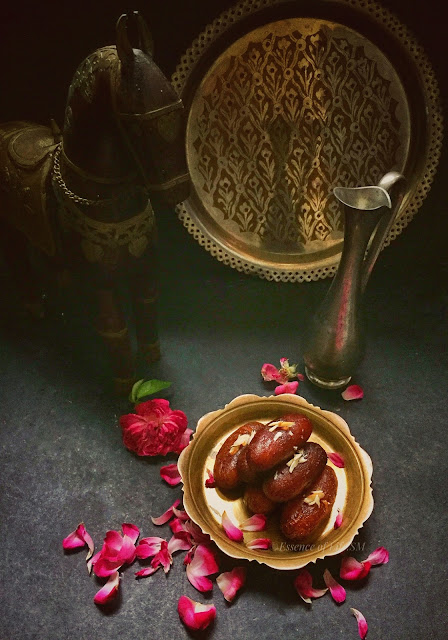


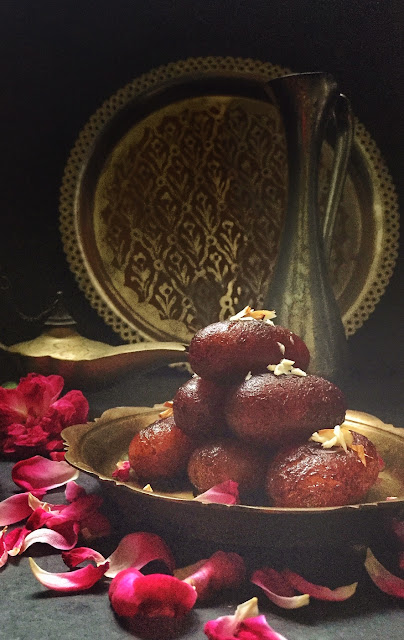
Bengali Langcha/Lyangcha stacked on a bronze plate with scattered rose petals. The plate is set against an artistic backdrop featuring a silver and brass engraved plate, a thin pewter pitcher, and a wooden carved horse with brass guild decorations.

Bengali Langcha/Lyangcha


"Bengali Langcha/Lyangcha: A Unique Twist on Gulab Jamun"

    When I first encountered the Bengali Langcha, I was convinced it was just another variant of Gulab Jamun. Its appearance and ingredients seemed strikingly similar to those used in making Gulab Jamuns. However, as I delved deeper, I discovered that Langcha is a unique treat with its own distinctive characteristics. This year, particularly during the lockdown period due to Covid-19, I experimented with various snacks, sweets, and desserts. Despite numerous attempts, including perfecting my Gulab Jamun recipe, I found myself captivated by the charm of Bengali Langcha.

What is Bengali Langcha/Lyangcha?

    Bengali Langcha, also known as Lyangcha, is a delightful sweet from the Bengal region, offering a delicious departure from the familiar Gulab Jamun. Unlike Gulab Jamun, which is universally popular and often mistaken for other similar sweets, Langcha has its own unique taste and texture. This sweet treat is a fantastic addition to your Diwali menu, providing a new twist on traditional desserts.


Langcha, Pantua, and Gulab Jamun: A Sweet Trio with Unique Flavours

Close-up of Bengali Langcha/Lyangcha showing the details of the stacked sweets. The image highlights the texture and shape of the Langcha, with scattered rose petals adding a touch of elegance.

Bengali Langcha/Lyangcha


    Gulab Jamun, Pantua, and Langcha might seem like sweet triplets at first glance, but each of these traditional treats is distinct in its own right. They differ significantly in ingredients, shape, and taste, making each one a unique addition to any festive spread.

Understanding the Differences: Langcha, Pantua, and Gulab Jamun

Langcha/Lyangcha: The Bengali Delight

    Langcha, also known as Lyangcha, is a classic Bengali sweet that shares some similarities with Gulab Jamun but is distinct in several ways:

  • Ingredients: Langcha is made with Khoya (Mawa) and Paneer (Chenna). This combination gives it a rich and creamy texture.
  • Shape and Size: Unlike Gulab Jamun, which is round, Langcha has a cylindrical shape and is longer in size.
  • Origin: The best Langchas are crafted in Shaktigarh, a quaint town near Burdwan district in West Bengal.

Pantua: A Close Relative to Gulab Jamun

Pantua is another Bengali sweet that bears resemblance to Gulab Jamun but has its own unique characteristics:

  • Ingredients: Like Langcha, Pantua is made with Khoya and Paneer. However, it is shaped like a Gulab Jamun.
  • Texture: Pantuas are softer than Gulab Jamuns and do not typically include rose essence or saffron.
  • Preparation: The texture of Pantua is notably softer compared to Gulab Jamun, offering a different experience.

Gulab Jamun: The Classic Favourite

Gulab Jamun is a globally beloved sweet known for its rich flavour and distinctive aroma:

  • Ingredients: Traditionally made with Khoya (Mawa), Gulab Jamun is renowned for its rose-like fragrance (Gulab means Rose).
  • Flavour and Texture: Gulab Jamun has a richer flavour compared to Pantua and Langcha. It may also contain nuts or dry fruit fillings in some variations.
  • Variations: Some recipes use Milk Powder as a base instead of Khoya, adding another layer of diversity to this iconic sweet.

The Versatility of Paneer/Chenna in Bengali Sweets

Paneer (Chenna) plays a crucial role in Bengali cuisine and is used in a variety of sweets:

  • Paneer/Chhanar Jilipi: This sweet resembles Jalebi and is made from Paneer.
  • Ledikeni: A famous sweet named after Lady Canning, showcasing the rich heritage of Bengali sweets.
  • Kala Jamun and Chitrakoot: Additional examples of Paneer-based sweets with unique flavours and preparations.


Looking for More Festive Recipes? Click Here for Diwali Inspirations!


Cuisine - Bengali (Indian)
Recipe Type - Sweet, Dessert
Difficulty - Medium
Yields - 10–12 Pieces
Author - SM  

Preparation Time - 15–20 Minutes
Leavening Time - 5–8 Minutes
Cooking Time - 20–30 Minutes
Soaking Time - 2–3 Hours
 

Master the Art of Making Bengali Langcha/Lyangcha: A Step-by-Step Guide

Extreme close-up of Bengali Langcha/Lyangcha, showcasing the intricate texture and surface details of the sweets. The image emphasizes the rich, golden-brown colour and soft, cylindrical shape of the Langcha.

Close-Up View of Bengali Langcha/Lyangcha


Ingredients for Bengali Langcha/Lyangcha

For the Langcha:

  • 2 Cups Paneer/Chenna
  • 1 Cup Khoya/Mawa
  • 2 Tablespoons All-purpose Flour (Maida)
  • A pinch of Baking Powder
  • 1/4 Teaspoon Cardamom Powder
  • 1/2 Tablespoon Ghee
  • A Pinch of Salt (Optional)
 

For Deep Frying:

  • Oil/Ghee

 For Sugar Syrup:

  • 2 Cups Sugar
  • 4 Cups Water
  • 3–4 Nos. Green Cardamoms 

For Garnishing:

  • Almonds/Pistachios – Few (Optional)


Method to Prepare Bengali Langcha/Lyangcha

Preparing the Dough:

  • Grate and Mash: Grate the Paneer/Chenna and mash it until smooth. Do the same with the Khoya/Mawa.
  • Mix Ingredients: In a bowl, combine All-purpose Flour, Ghee, Cardamom Powder, Salt, and Baking Powder. Add the Paneer and Khoya mixture and mix well until smooth.
  • Knead the Dough: Knead the mixture using your palms until a soft dough forms. If the dough is too dry, add a bit of milk and knead until soft. Let the dough rest for about 10 minutes.
  • Shape the Langchas: Divide the dough into 10-12 equal portions and shape them into smooth, cylindrical logs.

Frying the Langchas:

  • Heat Oil/Ghee: Heat Oil or Ghee in a pan and reduce the flame to low.
  • Fry Langchas: Fry the Langchas until golden brown, turning frequently for even colour. Remove with a slotted spoon and transfer to the prepared Sugar Syrup.

Preparing the Sugar Syrup:

  • Make the Syrup: In a heavy-bottomed pan, combine Sugar and Water. Stir until the sugar dissolves completely. Do not stir once the syrup starts boiling.
  • Remove Impurities: Add 2 Tablespoons of milk to the syrup to remove impurities. Skim off any dirt that floats to the surface.
  • Check Consistency: The syrup should be sticky, but not overly thick. Test by taking a spoonful and checking the consistency between your fingers. It should flow smoothly when poured from a spoon.
  • Add Cardamom: Stir in Cardamom Powder. Let the syrup cool slightly.

Final Steps:

  • Soak Langchas: Allow the fried Langchas to soak in the warm sugar syrup for at least 2–3 hours.
  • Garnish: Garnish with slivered Almonds or Pistachios if desired.
  • Serve: Enjoy Bengali Langchas warm or cold, with a hearty drizzle of sugar syrup.


Related Recipes to Try

  • How to Make Paneer
  • How to Make Khoya/Mawa
  • Gulab Jamun Recipes


Bengali Langcha/Lyangcha showing the details of the stacked sweets. The image highlights the texture and shape of the Langcha, with scattered rose petals adding a touch of elegance.

Bengali Langcha/Lyangcha with Elegant Presentation


Notes & Tips for Perfect Bengali Langcha/Lyangcha:

  • Avoid Lumps: Ensure no lumps are present in the mixture to achieve a smooth texture.
  • Monitor Dough Consistency: The dough should be soft and pliable. Add milk if needed.
  • Deep Frying: Fry Langchas on a medium-low flame for even cooking.
  • Sugar Syrup Tip: Adding milk helps remove impurities from the syrup. Simmer until dirt coagulates and floats to the surface.
  • Soaking Langchas: Place all the Langchas/Lyangchas in a wide bowl or pan with Sugar Syrup. Ensure they are not overcrowded to allow for even soaking.
  • Making Pantua: For Pantua, use the same ingredients as for Langcha but shape them into balls instead of cylindrical logs. Follow the remaining steps as outlined for Langcha.
_______________________________________________________________________________

*TIPS & TRICKS :

    Adding milk to the Sugar Syrup is an old trick taught by my 'Dad'.  This helps to remove all the dirt and scum from the Sugar Solution.  Simmer it for a few minutes until all the dirt coagulates, and it would start to float over the Sugar solution.  Remove it with a slotted spoon


Why You Should Try Langcha This Diwali

Langcha is an excellent festive treat to your Diwali celebrations. Here’s why:

  • Unique Twist: Langcha offers a refreshing variation to traditional sweets like Gulab Jamun.
  • Easy to Prepare: If you have homemade Paneer or Mawa, Langcha can be made quickly and easily.
  • Shelf Life: Langchas can be stored in the refrigerator for up to a week, making them a convenient option for festive indulgence.

Try This Bengali Langcha Recipe!

    Indulge in the rich flavours of Bengali Langcha this Diwali. If you're looking for more traditional sweets to complement your festive menu, check out our other Gulab Jamun Recipes for more inspiration.  While Gulab Jamun remains a global favourite, exploring variations like Langcha and Pantua adds a delightful twist to your sweet offerings. Whether you're a fan of the classic or eager to try something new, these Bengali festive treats are sure to impress.

SNACKS & SAVOURIES
KARA BOONDI
   

    'Kara Boondi' is a spicy version of Boondi and a lighter version of South Indian Mixture. Deep-fried Boondis with added Nuts & Seasonings makes this light snack into an exquisite treat & a wonderful Tea Time Snack. Kara Boondi which is Boondis South Indian counterpart, slightly spicy and a few add-ons. Kara Boondi is a combination of Chickpea Flour & Rice Flour with spices & seasonings, fried Curry Leaves, Cashews & Ground Nuts for an extra richness of flavour and taste. Kara Boondhi is also one snack added to South Indian Mixture Recipe along with various other tiny little savouries. 


For BOONDI NAMKEEN RECIPE, Click here....


    In South Indian culture, when you visit a friend or a relative, it is a tradition to take along with them a Sweet & a Kaaram(Savoury). And it is the same when you serve a snack to a guest. Mostly South Indian Mixture  or Murukkus take a special place in the Kaaram(Savoury snack) list & at times this humble Kara Boondi also would come into the limelight. Boondi a base ingredient while making Laddoos takes its twist and turns and convert itself into Sweet Boondi or Boondi Namkeen or Kara Boondi with a whole lot of variations & add-ons.


    Though the recipe seems to be quite similar to Boondi for Laddoos, Sweet Boondi & Boondi Namkeen we do not add Rice Flour & spices to those batters. Whereas, Kara Boondi uses both Bengal Gram Dhal Flour(Besan) & Rice Flour in it which gives the needed crispiness in the snack.  Kaara Boondi recipe is slightly extravagant when it comes to seasonings & add-ons like Nuts, giving this snack a standalone position of its own. 


SNACKS & SAVOURIES
KARA BOONDI

Points to remember before making Kara Boondi:


  • The consistency of the batter plays a significant role in the shape & texture of Boondi.
  • Make sure the flour has no lumps.
  • Blend the Gram Flour, Rice Flour, Turmeric, Red Chilli Powder, Asafoetida Salt & Soda-bi-carbonate along with 1/2 a Cup of water.
  • Then pour in the remaining 1/4 cup + 1 Tablespoons of water and blend it without any lumps.
  • Blending it yields you with a perfect batter, with no lumps.
  • The batter needs 3/4 Cup + 1 Tablespoon of water for the right consistency.
  • This measurement is perfect and yields out perfectly shaped Boondis.
  • Soda-bi-carbonate also helps to yield perfect round shaped Boondis. But adding it is purely optional.
  • Boondi Jhara makes the task easier when it comes to the shape of a Boondi. I use a slotted spoon for the purpose. 
  • If the consistency of the batter is perfect, then slotted ladles also do justice in getting perfectly shaped Boondis.
  • Fry boondis on a medium flame until Boondis are well cooked and turn crisp.
  • Make sure that Boondis do not turn brown. It should be yellowish.


For more DIWALI RECIPES, Click here... 


 Cuisine - South Indian

 Recipe Type - Snacks & Savouries 

 Spice Level - Medium

 Difficulty - Medium

 Yields - 2-3 Cups(Approx.)

 Author - SM


Preparation Time - 10-15 Minutes

Cooking Time - 20 -30 Minutes


For more SNACKS & SAVOURIES, Click here... 


HOW TO MAKE KARA BOONDI  


SNACKS & SAVOURIES
KARA BOONDI

INGREDIENTS:


For Kara Boondi:


Bengal Gram Dhal Flour (Besan) - 1 Cup

Rice Flour(Idiyappam Flour) - 2 Tbspn 

Asafoetida - 1 Tspn

Turmeric Powder - a Pinch 

Red Chilli Powder - 11/2 Tspn

Soda-bi-carbonate -1/2 a Pinch(Optional)

Salt - To Taste 

Water - 3/4 Cup + 1 Tbspn


For Deep Frying:


Oil 


Add-ons:


Ghee - 2 Teaspoons 

Cashew Nuts - 20-25 Nos. 

Ground Nuts - 2-3 Tablespoons

Curry Leaves - 2 Sprigs


Seasoning(Optional):


Salt - To Taste 

Asafoetida - a Pinch

Red Chilli Powder - 1/4 Tspn  


SNACKS & SAVOURIES
KARA BOONDI


METHOD:


For Boondi:


  • Combine all the dry ingredients and mix well.
  • Make sure the flour mixture has no lumps.
  • Blend the Gram Flour, Rice Flour, Turmeric, Red Chilli Powder, Asafoetida Powder, Salt & Soda-bi-carbonate along with 1/2 a Cup of Water. 
  • Then pour in the remaining 1/4 cup + 1 Tablespoon of water and blend it without any lumps.
  • Blending it yields you with a perfect batter, with no lumps. 
  • * 3/4 cup + 1 Tablespoon of Water yields you with a perfect consistency for the batter.

  • Heat oil in a pan, reduce to a medium flame while frying the boondis.
  • You will need TWO slotted ladles for the purpose.
  • One slotted ladle is to pour the batter through for making Boondi and the other one for draining it.
  • Hold one slotted spoon just above the hot oil, pour a ladle full of batter over the slotted spoon and spread it.
  • Ensure that the batter flows evenly through the slotted spoon and falls into perfect balls.
  • The flour & the water consistency I have given is good enough to get perfectly shaped Boondis.

  • Fry the boondis on a low flame, turning them continuously which would ensure even cooking.
  • When the sizzling sound stops, drain the Boondis with the other slotted spoon.
  • Spread them over Paper towels.
  • Repeat the process for the remaining batter.


 Frying the Nuts:

  • Meanwhile, heat Ghee in a pan and fry the Ground Nuts on a low flame until it turns crunchy. 
  • Once done, remove it from the ghee and line it up on a paper towel.
  • Then add halved Cashew Nuts and fry it on a low flame until it turns crunchy and slightly change its colour.
  • Once done, remove it from the ghee and line it up on a paper towel.
  • Now add Curry Leaves to the ghee and fry it on a low flame until fragrant and it turns crispy.


Mixing Kara Boondi:


SNACKS & SAVOURIES
KARA BOONDI


  • Now, mix Boondi along with fried Nuts & Curry Leaves. 
  • Sprinkle some Red Chilli Powder & Asafoetida Powder for an extra note of flavour.
  • Add a dash of salt if you prefer the snack to be a bit salty.
  • Toss it up until all the ingredients are well-combined. 
  • Store it in an air-tight container.
  • If stored properly, Kara Boondi lasts up to a week.
  • Kara Boondi serves best as a Tea Time Snack or a festive snack for Diwali.
  • Can add it along with Sev and convert it into South Indian Mixture.
  • Kara Boondi can be added as a garnish for Thayir Vadai, Thayir Semiya, Thayir Sadham/Curd Rice, Millet Curd Rice etc.,


SNACKS & SAVOURIES
KARA BOONDI

 NOTES:


  • The quantity of Water I have given in the recipe is of perfect consistency which yields perfectly shaped Boondis.
  • Adding Soda-bi-carbonate is optional. It will add crispiness & also helps to yield perfectly shaped Boondis.
  • I usually blend the ingredients in a blender/mixer-grinder jar.
  • This is to ensure that the boondi batter is lump free and also helps to mix all the ingredients into a perfect batter.
  • If you happen to add more water, the Boondis may turn out into flat shaped ones.
  • So use the mentioned amount of water.
  • I have used a slotted spoon for making Boondi and have not used Boondi Jhara.
  • Deep fry the boondis on a very low flame. Otherwise, the boondis may turn brown.
  • Drop the batter into hot oil through the slotted spoon and fry the boondis until the sizzling stops.
  • Make sure that Boondis do not turn brown. It should be yellowish.
  • Adjust the amount of Salt & Red Chilli Powder to suit your preference.
  • Can add more or less Cashew Nuts & Ground Nuts if you prefer. 
  • I have added few cloves of roasted Garlic into this Spicy Kara Boondi. But it is optional. 
  • Toss all the fried items along with the seasonings until well combined.


SHOP RELATED PRODUCTS:

Newer Posts Older Posts Home
Search Essence of Life - Food

I Me Myself

A vintage-style horizontal oval frame showcasing ornate silver spoons on a dark rustic surface

Essence of Life - Food is all about daily cooking with a simple sense of taste and health. It is all about food. Not a day goes by without eating for most of us, so what we eat matters on the whole. Food in the mode of goodness increases the duration of life, purifies one's existence, and gives strength, health, happiness, and satisfaction. Above all ingredients, the most vital one in my kitchen is love.

Sm @ Essence of Life - Food

Popular Posts

  • Kizhi Parotta: Kothu Parotta and Salna Wrapped in Banana Leaves
  • Pesaha Appam & Paal Recipe | Traditional Kerala Indri Appam for Maundy Thursday
  • Madurai Mutton Chukka Varuval
  • Traditional Olan Recipe - A Kerala Classic from Madhya Thiruvithamkoor
  • How to Make Kerala Kanji | Traditional Rice Porridge with Payar, Chammanthi & Achar

Labels

AROUND THE WORLD BAKING BEVERAGES BIRIYANI & PULAO BREAKFAST CURRIES DESSERTS FROM GODS OWN COUNTRY From My Family's Kitchen - Heirloom Recipes GLOSSARY HOW TO... KERALA PALAHARAM KONGU CUISINE KUIH MUIH MALAYSIAN CUISINE MIDDLE EASTERN CUISINE Manvasanai - Flavours from Tamil Soil PICKLES RICE DISHES ROTIS SADHYA SNACKS & SAVOURIES SOUPS SPICE POWDERS TIFFIN ITEMS VIRUNDHU WINES eBook
Ebook - What I Cook - For Onam

Ebook - “What I Cook - For Onam”

Amazon.com/dp/B0CGPVY6J3

Indulge in Kerala’s Culinary Heritage: Traditional Onam Sadhya Recipes, with Expert Serving Tips! Celebrate Onam the authentic way! Discover 25 timeless Kerala Sadya recipes in my ebook. From avial to payasam, bring home the flavours of tradition. Available now on Amazon!

Essence of Life

Subscribe & Follow

© 2026 | Essence of Life - Food

  • Home
  • Ask First
    Please note that all rights for the photographs and texts on this blog, unless otherwise mentioned, rests with the author. Please do not use without permission.
  • Privacy Policy