Essence of Life - Food
  • Home
  • From My Kitchen
    • Heirloom Recipes
    • From God's Own Country
    • Sadhya
    • Kongu Cuisine
    • Chettinaad Cuisine
    • South East Asian
    • Around the World
  • Ebook
  • I Me Myself
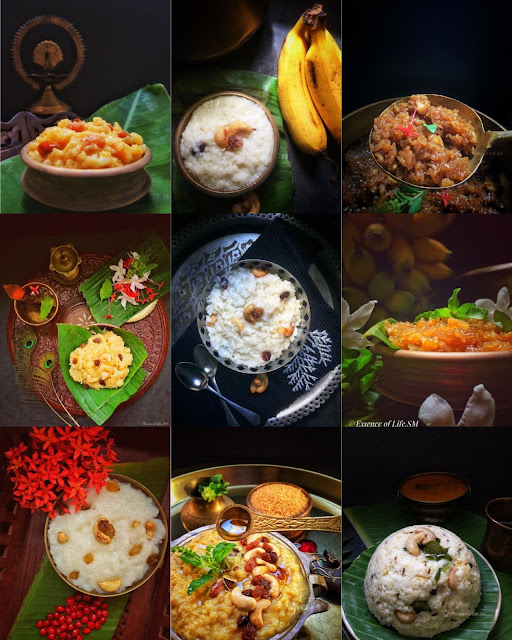
A collage showcasing various Pongal dishes, including both sweet and savoury varieties, perfect for celebrating the Pongal season.
A Festive Collection of Pongal Delights

Pongalo Pongal: A Celebration of Harvest and Tradition

    The arrival of January marks the beginning of the vibrant Pongal Season, a time of gratitude, joy, and traditional feasting. Pongal, both a harvest festival and a dish, beautifully encapsulates the spirit of Tamil Nadu’s agrarian culture. The festival’s name derives from the Tamil word "Pongal," meaning "to boil over," symbolising abundance and prosperity. In this post, we’re diving into the world of Pongal recipes—a mix of both sweet and savoury delights that you can recreate in your kitchen to celebrate the season.

What is Pongal? A Festival and a Dish

Pongal is a four-day-long harvest festival dedicated to the Sun God for blessing the crops and sustaining life. Each day of Pongal holds a unique significance:

  • Bhogi: The first day celebrates new beginnings with a ritual cleansing of homes, discarding old belongings, and welcoming prosperity. A special bonfire is lit as part of the festivities.
  • Thai/Surya Pongal: The second day, dedicated to the Sun God, is the main day of the festival. Families prepare the traditional Pongal dish and offer it to the Sun as a gesture of gratitude.
  • Mattu Pongal: The third day honours cattle, recognising their vital role in agriculture. Cows and bulls are adorned with garlands, painted horns, and worshipped.
  • Kaanum Pongal: The final day is a time for socialising and relaxation. Families and friends gather for picnics, and younger members seek blessings from elders.

    Rice, the staple crop of South India, takes centre stage during Pongal, and the festivities are incomplete without an array of dishes prepared using freshly harvested rice. From the iconic Sarkkarai Pongal (Sweet Pongal) to the savoury Ven Pongal, the season’s menu highlights traditional recipes brimming with authentic flavours. While Sarkkarai Pongal is sweetened with jaggery and enriched with ghee-fried nuts and raisins, Ven Pongal is a simple yet flavourful savoury dish, seasoned with spices and tempered with curry leaves. Adding to the line-up, specialities like Akkaravadisal, Kalkandu Pongal, Aval Pongal and even Kerala’s Ney Payasam and Aravana Payasam provide a variety of sweet options with slight regional twists.

    One dish I find particularly fascinating during this season is Moonu Raja Pongal. Though traditionally prepared by Karaikkal and Pondicherry Christians for Epiphany, this dish feels deeply synonymous with the Pongal season and South Indian culture. It also symbolises the historical legacy of the Three Kings - The Moovendars (Cheras, Cholas, and Pandyas) who once ruled the region, making it an exceptional choice to commemorate both tradition and history.

    This post offers a curated collection of sweet and savoury Pongal recipes, tried and tested in my kitchen, perfect for celebrating the spirit of this harvest season. Whether you prefer classic recipes or modern variations like Millet Pongal, there's something here for everyone.  

Explore each recipe by clicking the links above and get inspired for your festive menu!


Sweet Pongals - A Festive Delight

Akkaravadisal / Akkara Adisil: A Divine Offering

 A Temple Tradition 

    Akkaravadisal, also known as Akkara Adisil, is a traditional sweet dish offered to Lord Vishnu in the Sri Rangam and Srivilliputhur temples. It is a quintessential Iyengar (Vaishnava) delicacy, made with rice, moong dal, milk, jaggery, and ghee. This dish is traditionally offered as Prasadham during the Margazhi month (mid-December to mid-January) and on the auspicious day of Panguni Uthiram.

    This sweet offering is a rich combination of ingredients: rice and moong dal cooked in milk, sweetened with jaggery syrup, and flavoured with cardamom and edible camphor. It’s finished with ghee, raisins, and cashews, giving it a divine, melt-in-the-mouth texture.
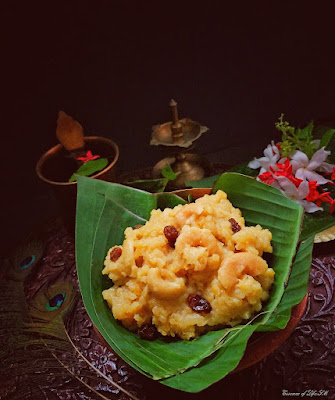
Traditional Akkaravadisal made with rice, jaggery, milk, and ghee, garnished with raisins and cashews, served on a banana leaf.

Divine Akkaravadisal – A Sweet Offering

Traditional Cooking for Authentic Taste

    The authentic flavour of Akkaravadisal comes from slow cooking in a bronze pot over a wooden fire in the temple kitchens (Madapalli). This method enhances the taste, making it a truly divine offering that carries centuries of tradition.

    Akkaravadisal dish holds a special place, especially during Koodaravalli, an auspicious day observed on the 27th day of the Tamil month Margazhi, as part of the Pavai Nombu. Throughout Margazhi, Sri Andal sang daily verses of Thirupavai in praise of Lord Vishnu. To mark the end of Pavai Nombu, Akkaravadisal, the sweetest and most divine offering, is shared as a symbol of devotion and celebration.

As part of the Pongal celebrations, I’m excited to share my favourite recipe—Akkaravadisal.  Click here for a detailed recipe...


Classic Sarkkarai Pongal for Festivities

    Sarkkarai Pongal (or Chakkara Pongal) is a beloved sweet dish traditionally made during the Pongal Festival in South India. This comforting and rich recipe is prepared with raw rice, moong dal (Pasi Paruppu), jaggery, and a generous amount of ghee, garnished with cashews and raisins. It’s served as Naivedhyam/Prasadham in temples and during Poojas at home, making it a significant offering during religious occasions.

 
Sarkkarai Pongal, a sweet Pongal dish made with rice, jaggery, and ghee, garnished with cashews and raisins, served in a brass bowl with a divine backdrop.
Classic Sarkkarai Pongal for Festivities

    Rice is the staple crop in South India, and alongside other local ingredients, Sarkkarai Pongal emerges as the quintessential dish for any celebration. The combination of raw rice and moong dal cooked together in milk, sweetened with jaggery, is the base of this delightful recipe. The dish is further flavoured with cardamom, dry ginger, edible camphor or cloves, and finished off with ghee-roasted cashews and raisins, giving it that unmistakable divine taste.

As we celebrate Pongal, it's time to share the delicious recipe for Sarkkarai Pongal, a Sweet Pongal Recipe that's perfect for any occasion. Click here for the full recipe and detailed instructions!


Kalkandu Pongal / Kalkandu Sadham: A Divine Temple Offering

    Kalkandu Pongal (also known as Kalkandu Sadham) is a delightful, creamy dish made with raw rice, milk, and sweetened with rock sugar (Kalkandu). Flavoured with cardamom and garnished with roasted cashews and raisins in ghee, this dish is an essential part of temple offerings, especially in Madapalli (temple kitchens).
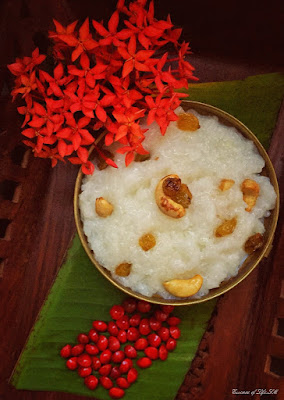

Creamy white Kalkandu Pongal served in a brass bowl, placed on a banana leaf surrounded by red manjadi kuru seeds and bright red ixora flowers for a festive look.

Kalkandu Pongal/Kalkandu Sadham - Creamy Delight

A Simple, Yet Sacred Dish

    Kalkandu Pongal is a simple yet delicious recipe that can be made for any festival or pooja at home. It is traditionally offered as Naivedhyam (Prasadham) in temples, with the Chidambaram Natarajar Temple being one of the most famous places where this dish is served. The unique flavour and divine essence it carries, especially when prepared in the temple kitchens, makes this dish truly special.

Let’s delve into the creamy delight of Kalkandu Pongal/ Kalkandu Sadham, a traditional sweet made with rock sugar and milk. Perfect for festive occasions and temple offerings! Click here for the detailed recipe and instructions!


Aval Kalkandu Pongal: From Temple Kitchens to Your Home

    Aval Kalkandu Pongal is a quick and creamy sweet dish made with Aval (flattened rice), milk, and rock sugar (kalkandu), flavoured with cardamom and garnished with roasted cashews and raisins. This authentic recipe is a cherished preparation from the temple kitchens (Madapalli), often served as prasadam during Margazhi, especially on auspicious occasions like Paavai Nombu.
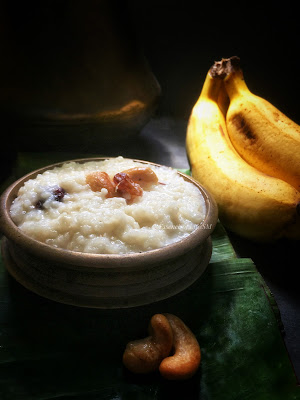
A brass bowl filled with creamy Aval Kalkandu Pongal placed on a banana leaf, accompanied by yellow bananas and a traditional brass Pongal pot in the background.

Aval Kalkandu Pongal


    The unique charm of Aval Kalkandu Pongal lies in its simplicity and divine taste. Temples add a magical touch with a hint of edible camphor, giving it a distinct flavour that lingers on your palate. This sweet delight holds a special place in South Indian festivities, symbolising devotion and abundance.

Discover the rich and creamy flavours of Aval Kalkandu Pongal, a festive favourite and a cherished temple prasadham! Click here for the full recipe and step-by-step guide!


Millet Sweet Pongal: A Healthy Twist to Tradition

    Festivals are a time for indulgence and delicious feasts, and Pongal is no exception! While the classic Sarkkarai Pongal is made with rice and dal, here's a healthier variation to try—Millet Sweet Pongal. This version replaces rice with millet, blending tradition with wholesome goodness.
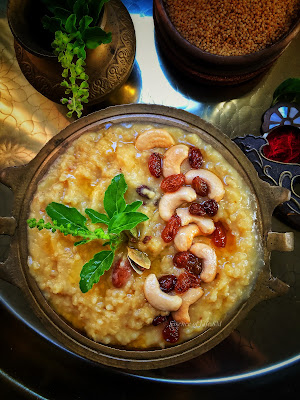

A bowl of Sweet Millet Pongal garnished with cashews, raisins, and fresh tulsi leaves, served in a traditional brass vessel.

Sweet Millet Pongal - A Healthy Festive Treat


A Twist in Tradition

    Though, festivals calls for indulgence and good food, as a norm I would like to prepare Pongal with Rice and Dhal. If you are looking for a twist and a healthier version, then this Millet Sarkkarai Pongal falls gently into the genre.  The cooking method is same as how we make Sarkkarai Pongal with Rice, where millet is substituted instead of Rice. Millet and Moong Dhal(Pasi Paruppu) are used to prepare this Sweet Pongal and Jaggery(Cane Sugar) is used to sweeten the dish, which gives the name Sarkkarai Pongal/Chakkarai Pongal.

    Millets, paired with moong dal (pasi paruppu), create a nutty and creamy base, while jaggery (cane sugar) adds its signature sweetness. The result? A divine dessert that’s perfect for festive celebrations, temple offerings, or even as a nutritious treat for your family.

Love Millets? Then don’t miss out on these Sweet Millet Pongal & Savoury Thinai Pongal, here!

Why Choose Millet Pongal?

  • Healthier Alternative: Millets are packed with fibre, protein, and essential nutrients, making them a great substitute for rice.
  • Festive Flavour: The method is identical to the classic Sarkkarai Pongal, ensuring you don’t miss out on the authentic taste.
  • Versatile Dish: Ideal for festive naivedhyam, temple prasadham, or simply a wholesome dessert option.

Pro Tip: Choose Barnyard Millet/Kuthiraivali (குதிà®°ைவாலி) or Foxtail MilletThinai (தினை) for a soft and creamy consistency. Roast the millet lightly for added flavour before cooking.


Moonu Raja Pongal: A Unique Tradition Honouring Epiphany

    The tradition of making Moonu Raja Pongal or Three Kings Pongal for Epiphany, observed in the Karaikkal and Pondicherry regions—a French colonial town—is a fascinating blend of culture and history. This age-old custom, rooted in January's festive spirit, was entirely new to me. It amazed me to discover a dish so deeply traditional and uniquely South Indian, created to commemorate this special day.


Moonu Raja Pongal served in an ornate bowl on a silver tray highlighting the Creamy richness of the dish
Moonu Raja Pongal - A South Indian Epiphany Pongal

    Crafted with simple, locally available ingredients like raw rice, coconut milk, and sugar, Moonu Raja Pongal embodies the essence of Tamil Nadu’s culinary heritage. Interestingly, Epiphany coincides with Tamil Nadu’s Harvest Festival, Pongal, making this dish even more significant.

    What adds more intrigue is the historical narrative behind this tradition. Some believe that this Pongal is prepared to honour the Three Great Kings who ruled Tamil Nadu and parts of Kerala—the Cheras, the Cholas, and the Pandyas—revered as the "Moovendars" (Three Kings). This dish not only celebrates a Christian festival but also pays homage to Tamil Nadu’s royal lineage.

Moonu Raja Pongal Recipe is an exceptional blend of tradition, history, and flavours—a perfect addition to your Pongal or Epiphany celebrations!


Aravana Payasam: The Divine Prasadam of Sabarimala

    Aravana Payasam, a delectable prasadham from the sacred Sabarimala Shree Ayyappa Swami Temple, holds a revered place in South Indian culture. As the most important offering made at Sabarimala, this divine dish represents devotion and simplicity at its finest.
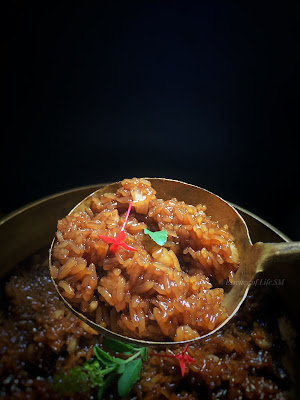

Aravana Payasam - Kerala's Sacred Sabarimala Prasadham in a Brass Uruli and served in a brass ladle with tulsi and ixora symbolizing a temple offering
Divine Aravana Payasam - Sabarimala Prasadham

    Made with just three ingredients—Unakkalari (raw rice), Sarkkara (jaggery), and ghee—Aravana Payasam is a perfect blend of rich flavours and spiritual essence. Despite its simplicity, this payasam leaves an unparalleled impression on both taste buds and hearts. Perhaps that's the magic of prasadhams—they nourish not just the body but also the soul.

    Growing up, I’ve always admired how my parents made the best Neypayasam and Aravana Payasam, especially for Annadhanam (community feasts). The kitchen would fill with the mesmerising aroma of jaggery caramelising in ghee, a fragrance that remains etched in my memory.  Whether you're recreating this recipe for a special occasion or as a personal offering, its divine flavour will surely leave you in awe!


Experience the Emotion of Aravana Payasam: Recreate this divine prasadham at home and connect with its cherished tradition and spirituality. Click here for the recipe!


Neypayasam: Kerala’s Temple Prasadham

    Neypayasam is a divine dessert served as prasadham in most Kerala temples. Made by slow-cooking Raw Rice/Unakkalari with generous amounts of Ghee and Jaggery, this sweet indulgence is thick, rich, and meant to be savoured in small portions.

    While Neypayasam and Aravana Payasam aren’t traditionally termed as Pongal, their ingredients and significance as temple prasadhams make them a perfect fit for the Sweet Pongal genre. If you're craving a Kerala-style Pongal without dhal, these Payasams are a delicious and unique choice.
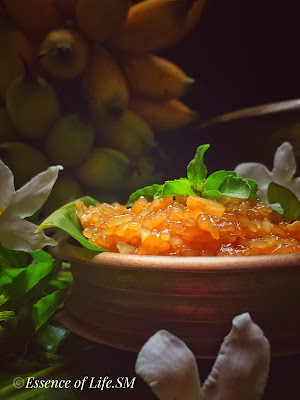

Neypayasam served in an antique brass bowl, surrounded by bananas, jasmine flowers, and fresh tulsi leaves.

Neypayasam - Kerala Temple Prasadam

Why Neypayasam Stands Out

  • Temple Tradition: Neypayasam is a symbolic offering of devotion and gratitude in Kerala Temples.
  • Rich and Decadent: With its deep caramel notes from jaggery and the aroma of pure ghee, it’s a feast for the senses.
  • Versatile Treat: Ubiquitous offereings in most Kerala Temples & it fits beautifully into festive spreads, Pirannal(Birthday) Sadhyas , or special family meals.


    Savour the authentic taste of Kerala temples with Neypayasam, a divine treat steeped in ghee and jaggery. Click here for the full recipe and tip


Chak Hao Amubi – Manipuri Black Rice Kheer: A Unique Dessert with a Nutty Twist

    Chak Hao Amubi, a delightful treat from the enchanting Northeastern region of India, showcases the rich culinary traditions of Manipur. This kheer, made with the distinctive black glutinous rice, is reminiscent of the Chettinad specialty, Kavuni Arisi Pongal (which has its roots from Myanmar - the earlier Burma), yet carries its own unique flavour profile.

    Black rice, known as Amubi in Manipuri—takes centre stage in this dessert. And thus the dessert Chakhao Amubi,—where Chakhao means delicious and Amubi means black gets its name. The rice's nutty aroma and flavour develop beautifully as it is slow-cooked with minimal ingredients, making this kheer a simple yet decadent delight.
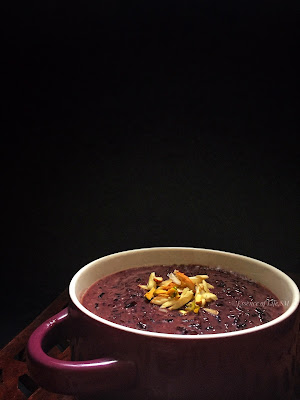

A bowl of Manipuri Chak Hao Amubi, a rich black rice kheer garnished with slivers of almonds.

Chak Hao Amubi - Manipuri Black Rice Kheer


    Traditionally served during major feasts, festive events, and special occasions, Chak Hao Amubi embodies the spirit of Manipur’s culinary artistry. Its dark, alluring hue, combined with a mildly sweet taste, makes it an ideal choice for celebratory meals. And the best part? This kheer is as nutritious as it is delicious, thanks to the nutrient-packed black rice.


If you're looking for a unique dessert that’s not only easy to prepare but also impressively exotic, Chak Hao Amubi is the perfect pick. Click here for a detailed recipe, a dessert that’s both visually striking and flavour.


Savoury Pongals - Ven Pongals

    Ven Pongal, also known as Khara Pongal, is the savoury counterpart to the sweet Pongal. This classic South Indian tiffin item holds a special place in traditional breakfasts and festive spreads. Popularly served in restaurants and during functions or weddings, Ven Pongal is cherished for its simplicity, rich flavours, and wholesome nutrition.

Why You’ll Love Ven Pongal

  • Simple Ingredients: Made with pantry staples, Ven Pongal doesn’t require elaborate preparations.
  • Quick and Easy: With minimal cooking time, it’s a great option for busy mornings.
  • Customisable: From adding roasted cashews to drizzling extra ghee, this dish is versatile.
  • Comfort Food: Its creamy, soft texture is the ultimate comfort for any time of the day.

A Festive Favourite

    Ven Pongal isn’t limited to breakfast tables. It’s a star dish during Pongal celebrations in Tamil Nadu and is also popular in the southern parts of Andhra Pradesh. Its rich and comforting taste makes it a go-to option for festive mornings. Additionally, variations like Ven Pongal with raw rice, millets, or even semolina provide exciting options for those looking to explore different flavours and textures.


Ven Pongal/Khara Pongal: A Quintessential South Indian Delight
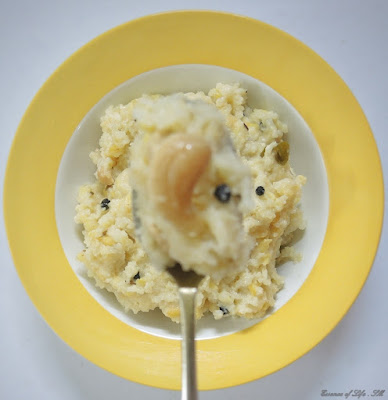
A bowl full of Ven Pongal made with raw rice and moong dal, with a close-up of a spoonful of the dish. The blurred background adds depth and focus to the creamy texture of the dish.

Ven Pongal with Raw Rice and Moong Dal


A Unique Culinary Treat

    While the base ingredients mirror those of Sweet Pongal, the savoury twist in Ven Pongal comes from its delightful seasoning. Mild spices like black pepper and cumin seeds are tempered in generous amounts of ghee, lending a distinctive aroma and flavour. This minimal yet effective seasoning elevates the dish, making it a comforting meal that satisfies both the palate and the soul.

Wholesome and Nutritious

    Ven Pongal is more than just a flavourful dish—it’s a perfect blend of carbohydrates and proteins. The split moong dal (yellow lentils) and rice combine to create a balanced meal. Additionally, the inclusion of spices like black pepper and cumin adds to its health benefits, making it a nourishing choice to kickstart the day.


If you're looking for a Savoury Pongal Varieties that’s not only easy to prepare but also complete meal, Ven Pongl prepard with Raw Rice & Moong dhal, is the perfect pick. Click here for a detailed recipe, a dish that’s both wholesome and flavourful.


Rava Pongal/Semolina Pongal: A Delightful Twist on Tradition

    Rava Pongal, also known as Semolina Pongal, is a creative take on the classic Ven Pongal recipe. In this version, the traditional rice base is replaced with white rava (semolina), resulting in a dish that’s soft, light, and incredibly satisfying. Loved for its unique texture and simplicity, Rava Pongal is a must-try variation for anyone seeking a wholesome and delicious meal.
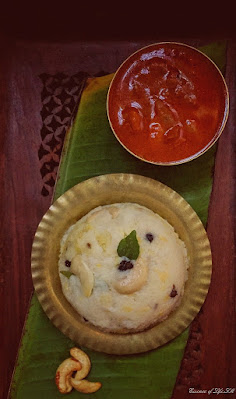

Rava Pongal served on a brass plate placed over a banana leaf on an ornate wooden tray, garnished with black pepper and curry leaves, accompanied by Khara Kuzhambu for a rich and authentic presentation.

Hot Rava Pongal/Semolina Pongal Served with Puli Kolambu


Why Rava Pongal Stands Out

  • Soft and Light Texture: Semolina lends a delicate and fluffy consistency, making it lighter than rice-based Pongal.
  • Quick and Easy: Perfect for busy mornings or when you’re short on time.
  • Nutritious and Versatile: Packed with the goodness of semolina and moong dal, it’s a balanced dish that can be customised with your favourite toppings like roasted cashews or extra ghee.

A Modern Take on a Classic

    Rava Pongal retains the essence of Ven Pongal while offering a modern twist. The combination of semolina with the aromatic seasoning of black pepper, cumin seeds, and ghee creates a comforting dish that’s both nutritious and flavourful. It’s a wonderful option for breakfast, brunch, or even a light dinner.


Love Savoury Pongal Varieties?  Rava Pongal, crafted with the goodness of Semolina and Moong Dal, is a light, fluffy twist on tradition that you simply can’t miss!  Discover the Detailed Recipe Here!


Thinai Pongal – A Healthier Twist on Traditional Pongal

    Thinai Pongal/Foxtail Millet Pongal, is a delightful variation of the classic South Indian dish, Ven Pongal. By swapping rice for the nutritious and fibre-rich Foxtail Millet (Thinai), this dish offers a healthier, yet equally comforting alternative. The best part? The method remains nearly the same, with a slight tweak in the millet-to-water ratio.
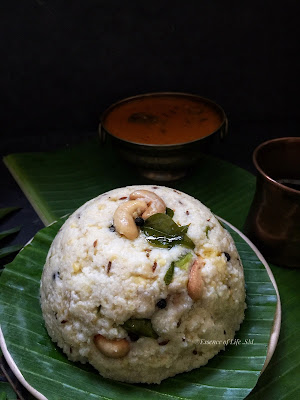
A bowl-shaped Thinai (Millet) Pongal garnished with cashews and curry leaves, served on a banana leaf, accompanied Sambar.

Thinai Pongal - A Healthy Millet Pongal

Why Try Millet Pongal?

  • Melt-in-the-mouth texture: Millet Pongal has a softer, more delicate texture compared to traditional rice Pongal, making it irresistibly delicious.
  • Nutrient-packed: Millets, such as Foxtail Millet, Kodo Millet (Varagu Arisi), Little Millet (Samai), and Barnyard Millet (Kuthiraivali), are high in fibre and other essential nutrients.
  • A healthier choice: Incorporating millets into your meals boosts digestion, stabilises blood sugar, and promotes overall well-being.

Whether you're making Millet Pongal for breakfast, lunch, or dinner, it’s an easy, filling meal that fits into any part of your day.

A Simple, Yet Satisfying Recipe

    For this recipe, I’ve used the classic pressure cooker method to make it quick and hassle-free. The ratio of Thinai (Foxtail Millet) to water is 1:3, and I’ve substituted half a cup of water with milk to make the Pongal extra creamy and soft. A generous dollop of ghee adds that final touch of richness!

    This ratio works equally well for other millets like Samai (Little Millet) and Kuthiraivali (Barnyard Millet). It’s versatility at its best!


Craving a healthier twist on the traditional Ven Pongal? Don’t miss out on my Millet Pongal – Thinai Venpongal Recipe – a perfect, fibre-rich alternative that’s both delicious and nutritious. Click to discover how this comforting dish can elevate your meals!


Complete Your Pongal Feast with Perfect Side Dishes

    Pairing Sweet Pongal and Ven Pongal with the right side dishes elevates the festive experience. Here's how you can make your Pongal menu even more delightful.

Perfect Side Dishes for Ven Pongal/Khara Pongal

    Ven Pongal or Khara Pongal pairs beautifully with a variety of flavourful side dishes that elevate the comforting dish into a feast. While the classic Coconut Chutney and aromatic Sambar are timeless favourites, there’s so much more you can explore to create a vibrant Pongal spread.


Traditional South Indian Sambar for Pongal

Sambar Recipe

Creamy Coconut Chutney for Ven Pongal

Coconut Chutney Recipe

Classic Pairings

  • Sambar: A bowl of warm, spiced lentil stew is the perfect complement to Pongal's creamy texture. Add locally available vegetables like brinjal/eggplant, pumpkin, squash, okra, drumstick or radish for an earthy depth of flavour.
  • Chutneys: Fresh coconut chutney is a must-try, but you can also experiment with mint-coriander chutney or spicy tomato chutney for a twist.


Delicious Add-ons

Mochai Kottai Puli Kuzhambu
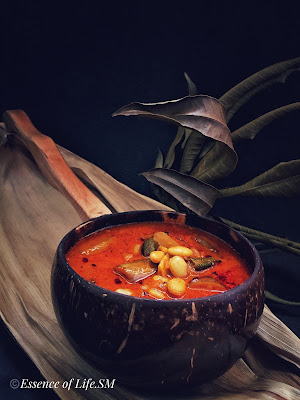
    This tangy tamarind-based curry, made with lima beans and vegetables like taro, eggplant, and squash, adds a unique punch of flavour. The bold, spicy notes beautifully balance the mildness of Ven Pongal.


A rustic bowl of Mochai Kottai Puli Kuzhambu with tamarind-based curry, Lima beans, mangoes, brinjal, and English gourd.

Mochai Kottai Puli Kuzhambu with Vegetables

    I love to prepare a Spicy and Tangy Curry to pair with Pongal, featuring a medley of vegetables and Mochai Kottai (Lima Beans). This simple yet flavour-packed dish is none other than the beloved Puli Kuzhambu, a tamarind-based curry that perfectly complements the mild, creamy texture of Pongal.

    Another classic variation often served during the Pongal festival is the Pongal Puli Kuzhambu. This traditional dish stands out for its unique combination of locally sourced vegetables such as sweet potato, raw plantain, squash, eggplant, taro, and broad beans, paired with lima beans for added texture and protein. The rich, tangy flavours of tamarind and the warm spices make it a quintessential addition to the Pongal menu.


Whether you’re serving it with Ven Pongal or Khara Pongal, this flavourful Puli Kuzhambu elevates the meal, bringing balance and depth to your festive spread. Click the link for a detailed recipe.


Uzhundhu Vadai - The Perfect Accompaniment for Your Pongal Menu

    A Pongal feast feels incomplete without the addition of golden, crispy Uzhundhu Vadai, famously known as Medhu Vadai. These lentil fritters, with their crisp exterior and fluffy interior, bring an irresistible crunch to the festive spread. Uzhundhu Vadai pairs delightfully with coconut chutney and steaming hot sambar, offering a balance of textures and flavours.

Golden-brown Ulundhu (Medhu) Vadai lined on a banana leaf, served with coconut chutney and sambar.

Uzhundhu Vadai - Crispy Medhu Vadai


Complete your Pongal Menu with crispy Uzhundhu Vadai, perfectly paired with Sweet Pongal and Ven Pongal. Click here for recipe best!


Celebrate Pongal with a Hearty Feast!

    Festival time is all about celebrating togetherness, traditions, and, of course, indulging in good food. This Pongal, let your festive table shine with a delightful spread of both Sweet Pongal and Ven Pongal, paired with traditional side dishes that make every bite memorable.

    Complete your Pongal menu with crispy Uzhundhu Vadai, flavour-packed Sundal, and comforting sides like Sambar, Coconut Chutney, or tangy Puli Kuzhambu. End the celebration on a warm note with a steaming cup of Filter Coffee or aromatic Masala Tea.


Pro Tip: Serve everything on a banana leaf to embrace traditional vibes and make the meal more special!


A traditional South Indian Pongal feast served on a banana leaf, featuring Ven Pongal, Sweet Pongal (or Rava Kesari), crispy Uzhundhu Vadai, brass bowls of Sambar and Coconut Chutney, and a steaming cup of South Indian Filter Coffee in a brass badarah and tumbler.

Pongal Menu - Sweet Pongal, Ven Pongal & Uzhundhu Vadai

What’s on the Pongal Menu?

To craft a festive Pongal feast, include these essential dishes:

  • Sweet Pongal or Rava Kesari for a sweet start.
  • Ven Pongal, a savoury delight.
  • Side dishes like Sambar, Chutney, or Puli Kuzhambu for balance.
  • Uzhundhu Vadai for a crispy, indulgent treat.
  • A choice of Sundal for added texture and flavour.
  • Complete the feast with a hot cup of Filter Coffee or Masala Tea.

    To make your festival truly special, Check out the complete Pongal Menu here for detailed recipes and pro tips


Let’s Celebrate Pongal together!

    This Pongal, share the joy of good food with loved ones and savour every bite. Whether you’re hosting a big gathering or keeping it simple, this menu is sure to win hearts.

    Celebrate with this delicious Pongal Menu, and don't forget to share your creations!


Happy Pongal - PONGALO' PONGAL!!!


PONGAL
MILLET SWEET PONGAL/SARKKARAI PONGAL

    Those were the days when people looked forward to eating Rice.  Rice was a delicacy to the common man then, and it came to his palate only on special occasions and on festivals. Pongal is one special occasion, a four-day-long festival celebrated at the nook and corner of Tamil Nadu.  As Rice is the staple crop grown in South India, along with other local produces comes this divine dish Sarkkarai Pongal/Chakkara Pongal. Pongal is a harvest festival celebrated in Tamil Nadu to commemorate the divinity of the Sun, and its major role in agriculture and cattle rearing. Even the most poor will try to make Sarkkarai Pongal on this day with a handful of Rice.  So is the speciality of this harvest festival and the dish Pongal.

    Well, coming to recent years, where the folks have turned to eating Millets, Brown Rice etc., the age-old custom of Millet culture is steadily seeping into the kitchens through health conscious minds.  This Sarkkarai Pongal recipe is a twist given to the traditional Pongal where Millets are used instead of Rice. I have used Samai or the Little Millet in this recipe. The cooking method remains the same, with just a mild adjustment in Millet Water ratio. I felt that Pongal made with Millets turned out to be softer with a perfect melt in the mouth like texture. It was tastier than the Rice version, and obviously, a healthier version as Millets are rich in Fibre.

PONGAL
MILLET SWEET PONGAL/SARKKARAI PONGAL

    Though, festivals calls for indulgence and good food, as a norm I would like to prepare Pongal with Rice and Dhal. If you are looking for a twist and a healthier version, then this Millet Sarkkarai Pongal falls gently into the genre.  The cooking method is same as how we make Sarkkarai Pongal with Rice, where millet is substituted instead of Rice. Millet and Moong Dhal(Pasi Paruppu) are used to prepare this Sweet Pongal and Jaggery(Cane Sugar) is used to sweeten the dish, which gives the name Sarkkarai Pongal/Chakkarai Pongal.  Though variant methods are prevalent throughout South India, the major ingredients stick onto the above three major ingredients along with milk, flavoured with cardamoms, dry ginger, edible camphor or clove and garnished with Cashews and Raisins roasted in Ghee.

     This Millet Sarkkarai Pongal/Chakkara Pongal recipe is a simple version which can be prepared at home for any occasion/festival.  Above all, this Sweet Pongal is a major Naivedhyam/Prasadham served in most of the temples or during Poojas at home. Sarkkarai Pongal/Chakkara Pongal served in temples have a special note of taste and flavour which is quite divine.
 
PONGAL
MILLET SWEET PONGAL/SARKKARAI PONGAL


    You can make this Millet Pongal with any type of Millets(Siru Dhaniyam) like Kodo Millet(Varagu Arisi), Samai (Little MIllet), Barnyard Millet(Kuthiraivali), Thinai (Foxtail Millet). I have cooked this Millet Pongal in a Pressure Cooker. Samai Water Ratio is 1:3 for this Millet Pongal, and the ratio remains the same for Moong Dhal. And I substitute 1/2 Cup of Water with Milk which yields you with a softer Pongal and yah, don't forget to add an extra bit of Ghee. Can follow the same ratio for Kodo Millet(Varagu Arisi), Thinai (Foxtail Millet) & Barnyard Millet(Kuthiraivali) too. These Millets are nutritious & it is truly a comfort dish that is so easy to make.


For more PONGAL RECIPES, Click here... 

Cuisine - South Indian
Recipe Type - Sweet, Dessert
Difficulty - Medium
Serves - 3 - 4
Author - SM  

Preparation Time - 15 - 20 Minutes
Cooking Time - 30 - 45 Minutes
 
 
For more RECIPES WITH MILLET, Click here...


HOW TO COOK MILLET SWEET PONGAL/SARKKARAI PONGAL


PONGAL
MILLET SWEET PONGAL/SARKKARAI PONGAL

INGREDIENTS:

For Samai (Little Millet) Pongal:

Samai (Little Millet) -3/4 Cup
Yellow Moong Dhal - 1/2 Cup
Water - 3 1/4 Cup
Milk - 1/2 Cup
Salt - a Pinch
 

For Millets Sarkkarai Pongal:

Jaggery - 1 Cup
Cardamom - 4–5 Pods
Dry Ginger Powder - a Pinch (Optional)
Edible Camphor - 1 small Pinch (Optional)
Cloves - 2 Nos. (Optional)

For Garnishing :

Ghee - 1/4 Cup
Cashew nuts - 10-12 Nos.
Raisins - 3 Tablespoons


METHOD:

  • Melt Jaggery with 1 Cup of Water and 1/2 Teaspoon of Ghee until the jaggery pieces dissolve completely and start to boil.
  • Switch off the flame, filter the melted Jaggery to remove any impurities and keep it aside.
  • Grind Cardamom Pods & Dry Ginger (if using) with a Mortar and Pestle into a fine Powder and keep it aside.
  • Dry Roast Moong Dhal on a low flame for about 5 minutes until the colour changes slightly, and it turns fragrant. (Do not over roast the Dhal).
  • Wash Moong dhal & Samai (Little Millet) for at least 3–4 times or until water runs clear.
    Drain any excess water from it.
  • Pour in 31/4 Cups of Water & 1/2 a Cup of Milk to Samai (Little Millet) and Moong Dhal.
    Pressure Cook on a high flame for a whistle.
  • Lower the flame and cook for another 2 whistles and switch off the flame.
  • Once the pressure is released, open the lid. 
  • Then slightly mash the cooked Samai (Little Millet) and Moong Dhal.
  • Pour the melted Jaggery to the above along with powdered Cardamom and Dry Ginger Powder and mix well.
  • Leave this on a very low flame until Jaggery is well absorbed into the millet and dhal mix.
  • Meanwhile, heat Ghee in a pan and roast Cashew nuts until golden brown colour and Raisins fluff-up.
  • Pour this onto the Millet Sarkkarai Pongal Mixture and mix well.
  • Cook this on a low flame for a few more minutes until you get the desired consistency.
  • Serve Millet Sarkkarai Pongal hot with a drizzle of ghee over it.
PONGAL
MILLET SWEET PONGAL/SARKKARAI PONGAL

NOTES:

  • But dry roasting the dhal enhances the aroma and gives an even texture while cooking.
  • Dry Roast the dhal on a medium flame until they are just hot to touch. (over roasting can alter the flavour of the dish)
  • Adjust the amount of water as for the millet variety.
  • Can substitute one cup of Water with Milk for a rich Sarkkarai Pongal
  • We need the millet and dhal to be well cooked, so a bit of extra water would be needed (more than what we use normally for cooking millets). 
  • Do not over boil the Jaggery mix.  We don't need to boil it into string consistency for Sarkarrai Pongal
  • Adjust the sweetness to suit your taste preference.
  • Adding extra ghee is strictly optional, but gives a wonderful flavour to Millet Sarkkarai Pongal/Sweet Pongal.
  • Adding Dry Ginger powder is optional.
  • Can also add edible camphor and cloves to Millet Sarkkarai Pongal if preferred.
WINES
PINEAPPLE PEEL WINE

    Yet another Wine and Yet another New Year - a new beginning... or is it the same monotonous cycle of day in, day out?  Anyway, let's begin this New Year with a Toast - 'HAPPY NEW YEAR 2023', with my home-made Pineapple Wine.  Also, my blog 'ESSENCE OF LIFE - FOOD' is nearing its Seventh Anniversary in another 16 days on 17th January. 

    On the run this New Year Post turned out to be the 800th Post in Essence of Life - Food and as I noticed that the Statistics says that my Blog has crossed 1 Million Views.  So, this Post, a Wine, suits well to be raised as a Toast for this occasion.  With not much of overwhelming response or income, my hobby of blogging is still fuelled with my Passion.  With quiet of a lot of other chores happening around me, this year turned out to be slow, and I spent very little of my quality time for my blog. Love what I am doing and Happy with what I yield out of it. I would like to Thank all my viewers on this occasion for all the support & encouragement.

Celebrating 1 Million+ Views for my Blog

Thanks for all the support and encouragement...

WINES
PINEAPPLE PEEL WINE

     Well, coming back to the recipe... If you have been reading my posts, then you may all know, that making a new wine each year and toasting it for Christmas & New Year had been a routine at home for years.  This Pineapple Wine was the one I brewed during last Christmas Season, and it is ready for the toast this year. Though there are schools which believe in making quick-fix wines, I belong to the school where the thumb rule sticks to the norm - "Wines get better with Age".  Patience is much appreciated while brewing a homemade Wine & it gets better as it ages.  

     Wine making has become a routine in my kitchen, with a few varieties of well brewed homemade wines always ready to be catered. Recently I re-bottled all my Wines from my collection.  And seeing a wide range of collection, my son said, they are going to sue me for brewing Illicit Hooch! Ah! That sounded a bit gruesome.  And all those bottles lined up, and used occasionally when a guest visits our house and in my baking, what was I doing with so much of Wines? As such, it all started as a hobby, backed up by my husband (but the irony is, he never drinks it just apart from tasting it.)  The fact is, I do not drink or even like to taste the Wines, I make.  I have professional wine tasters at my disposal... ha… ha… ha… just joking.  My Wine tasters are my beloved hubby & kids. 

WINES
PINEAPPLE PEEL WINE

    Believe it or not, I do not drink...  Thinking, all the while - though it may not be a virtue of its own, it stayed as much as a preference, a personal choice. 

Ah! 
I never want to know
The fun of a fermented liquid
Which spreads joy
Shrinks the Sorrows...
When it flows into my mouth
Slips past my tongue and 
Slides down my throat
I won’t flinch, nor feel the after-burn left in its wake
Nor the ecstasy of the drink ...

I may never be able to share...
Stories of peers who gathered for a booze
Who’s bottoms were up as was mine downing & drowning & gulping
Until all were washed away & all were sloshed
Only the sane & sober
Would wake up to give an exact account of what transpired
Of the untold stories
And no one would fill in the blanks 
For the best of all...

I may never be able to tell...
The difference between a wine, brandy, whisky, vodka, gin, tequila or a rum
The volume of fluids in pegs, quarters, halves, full and a pint
If the glass is half empty, or half full and “flat”, “neat”, or “on the rocks”,
Whether to mix it with water, tonic, cola or an ale
The intoxication of a Soma Paanam brings
or the aftermath of a hangover
And whether my abstinence is a gift or a curse...

      SM 

    Here's a very simple recipe for an old-fashioned wine made out of Pineapple Peels. This is a recipe from my old cook book which I had jotted down during my college days with an all sceptical idea, whether I would make a wine at all in my life and a wine with Pineapple Peels??? But it looked different and out of the box then.  But life has taken me into a stroll where I am brewing wines in the name of illicit hooch, and it has become a hobby of my OWN!

    This is a simple Pineapple Wine recipe with simple home-made wine making technique, but the results are really awesome.  And the colour which I got naturally from the brew took me offhand when I was shooting the pictures.  The sunlight which probed into the wine glass gave it a wonderful and catchy spectacle with a golden hue!
    

For more WINE Recipes, Click here...

Recipe Type - Wine
Difficulty - Medium
Yields - 3-4 Bottles
Author - SM

Preparation Time - 30 -45 Minutes
Brewing Time for Wine - 3 Months - 1 Year


HOMEMADE PINEAPPLE WINE  

WINES
PINEAPPLE PEEL WINE

INGREDIENTS:

For Pineapple Wine:

Pineapple & Pineapple Peels - 1 Kg
Sugar  -  1/2 Kg
Lemon  -  1 No.
Boiling Water  -  5 Litres
Cinnamon Sticks - 8-10 big pieces (Optional)


To Activate the Yeast:

Yeast  - 1 Packet (11 Grams)
Sugar - 5 Teaspoons.
Warm Water - 1/3 Cup


WINES
PINEAPPLE PEEL WINE

METHOD:

For Pineapple Peel Wine:

  • Using a knife, slice off the top & bottom part of the Pineapple.
  • Cut off the outer layer (the Peel) and reserve it.
  • Slice the Pineapple and then cut it into small Pieces.
  • Chop the Pineapple Peel into small pieces.
  • Add the chopped Pineapples, Pineapple Peels, Sugar, and the Lemon in a large glass or ceramic jar.
  • Pour 5 litres of boiling water into it and leave it aside for 12 hours.
  • Activate the Yeast by putting it in warm water and 5 teaspoons of Sugar.
  • Add activated yeast to the mix after 12 hours
  • Can add some extra Sugar and few sticks of Cinnamon to add more sweetness and flavour to the Pineapple Peel Wine.
  • Stir it every day for a week.
  • After a week, strain and press the juice out of the mixture and bottle it. 
  • Keep the bottles tightly closed.
  • Store them in a dark and dry place for about 3 months.
  • Re-bottle the clear wine, leaving the sediments behind for another one month. 
  • The Pineapple Wine should be filtered properly at this stage.
  • Taste the Pineapple Wine after two months, add sweetness and flavour if needed.
  • Do the above process until there are no sediments left.
  • Good quality Pineapples yields the best Pineapple Wine. 
  • Like most of the wines, it will improve with age.


NOTES:

  • Cutting the Pineapples & its peels into small pieces will yield more flavour and body to the wine.
  • Pineapples are naturally sweeter, so adjust the amount of sugar accordingly.
  • I just used normal yeast, as it is very difficult to get wine yeast in my area.
  • If you can get hold of Wine Yeast, go ahead with it and also can add Campden Tablets.
  • Stirring the wine is very important for the fermenting process.
  • Store them in clean and dry bottles in a moist free place.
  • As I am staying in a tropical area, my wine brewed up sooner. But I strictly followed the regime.
  • I did not use any artificial colours, food preservatives or enhancers in this Pineapple Wine.
  • The colour and flavour, which I got naturally out of it, were more satisfying.


WINES
PINEAPPLE PEEL WINE

WISHING YOU ALL A HAPPY NEW YEAR !!!


SM


NADAN MUTTA ROAST
KERALA EGG ROAST - NADAN MUTTA ROAST

    Kerala Egg Roast is an authentic Kerala Style Egg Recipe cooked with spices is a hot & spicy gravy. Kerala's cuisine is a multitude of Vegetarian and Non-Vegetarian dishes, but Egg takes a special place along with its counterparts. This Egg Roast recipe is a simple recipe whatsoever. This is easy to incorporate and takes very less time to cook, and it can come as a rescue when you are in short of time.  

    Simply boil the Eggs, peel them, cut into halves, marinate it with a mix of Turmeric Powder, Red Chilli Powder & Salt, leave it aside for a few minutes and then shallow fry these Eggs on a very low flame. Then Sauté the Onions, Tomatoes & Spices and finish off this gravy laced with thick coconut milk for an extravagantly aromatic and tasty Egg Roast.

    This Nadan Egg Roast is a simple Egg recipe cooked in a hot and spicy masala.  It is prepared in a typical Kerala style with local spices and undoubtedly cooked in Coconut Oil, which gives an authentic touch to this Egg Roast. The finishing touch of this Egg Roast is undoubtedly the Coconut Milk, which elevates the taste and flavour of this Nadan Egg Roast.

NADAN MUTTA ROAST
KERALA EGG ROAST - NADAN MUTTA ROAST


    This Kerala Egg Roast is one best combination with Appam and Idiyappam.  And it can be added as one dish in your Christmas party Menu.  May be for breakfast along with Appam, Vattayappam, Idiyappam, Pathiri, Malabar Parotta or Chapati. It can also be served in your lunch menu as a side dish along with Rice Dishes, Biriyanis & Pulaos.

For more recipes from GODS OWN COUNTRY - KERALA, click here...


Cuisine - Kerala
Course - Side Dish
Spice Level - High
Difficulty - Medium
Serves - 2-3
Author - SM


Preparation Time - 20-30 Minutes
Cooking Time - 25-30 Minutes

For more Recipes with EGG, Click here...


HOW TO COOK KERALA EGG ROAST - NADAN MUTTA ROAST


NADAN MUTTA ROAST
KERALA EGG ROAST - NADAN MUTTA ROAST

INGREDIENTS: 

For Kerala Egg Roast - Nadan Mutta Roast:

Eggs - 4 Nos.
Onion - 2 Nos.
Tomato - 2 Nos.
Ginger Garlic Paste - 1 Tablespoon 
Turmeric Powder - 1/4 Teaspoon
Red Chilli Powder - 1 Tablespoon
Garam Masala - 1 Teaspoon
Pepper Powder - 1 Teaspoon
Roasted Fennel Powder - 1/2 Teaspoon
Lemon Juice - 1 Tablespoon (Optional)
Salt - to Taste
Sugar - a Pinch


For Shallow Frying:

Coconut Oil - 3 Tablespoons.
Curry Leaves - 2 Sprigs.

Other Ingredients:

Thick Coconut Milk - 1/4 Cup


To Garnish:

Coriander Leaves - Few


NADAN MUTTA ROAST
KERALA EGG ROAST - NADAN MUTTA ROAST

METHOD:

To Cook & Fry the Eggs:

  • Hard-boil the Eggs & then Peel it.
  • Cut it into halves.
  • Marinate the hard-boiled Eggs with Salt, Turmeric Powder, Red Chilli Powder and leave it aside for about 5-10 minutes.
  • Heat about 3 Tablespoons of Coconut Oil in a pan, add a sprig of Curry leaves and fry for a while.
  • Immediately add marinated hard-boiled Eggs and shallow fry them.
  • Fry them on a very low flame until the raw flavour of the masala goes & the surface of the Eggs becomes slightly crispy.
  • Once the Eggs turn into light golden brown in colour, remove them from the Oil and keep it aside.

For a detailed Recipe on 'HOW TO MAKE PERFECT HARD BOILED EGGS', Click here ...

NADAN MUTTA ROAST
KERALA EGG ROAST - NADAN MUTTA ROAST

For Kerala Egg Roast - Nadan Mutta Roast:

  • Dry Roast a teaspoon of Fennel on a very low flame until crisp and aromatic.  Then grind it into a fine powder and keep it aside.
  • Cut onions into thin slices, Purée the Tomatoes and keep them aside.
  • Heat Coconut Oil in a pan, sauté Ginger-Garlic Paste, Curry Leaves & Green Chillies and sauté it until aromatic.
  • Add Turmeric Powder, Red Chilli Powder, Pepper Powder, Fennel Powder and Garam Masala to the above and fry for a while until the raw flavour goes.
  • Can sprinkle a bit of water at this stage so that the masalas get cooked well.  
  • Care should be taken not to burn the masalas, which will alter the overall taste of the dish.
  • Pour in the puréed Tomatoes and sauté until oil separate from the mix.
  • Now add thinly sliced Onions and sauté it on a very low flame until it turns slightly soft.
  • Pour in the Lemon Juice and give a quick stir.
  • Add a dash of Salt, a pinch of Sugar and mix well.
  • Sprinkle some water, if necessary, and cook this on a low flame for about 5 minutes.
  • Add boiled Eggs into it and cook them on a low flame for a few more minutes.
  • Gently mix the masala and the eggs.
  • Finally, pour in Thick Coconut Milk and cook this on a very low flame for a few more minutes.
  • Let the Nadan Mutta Roast become slightly dry and aromatic.
  • Switch off the flame and garnish it with Coriander Leaves.
  • Serve hot Nadan Mutta Roast as an Appetizer.
  • It goes well with Steamed Rice or along with Vegetarian or Non-Vegetarian Curries, it can also be served as a side dish along with Rice Dishes, Biriyanis & Pulaos.
  • Goes well with Appam, Vattayappam, Idiyappam, Pathiri, Malabar Parotta or Chapati.


NADAN MUTTA ROAST
KERALA EGG ROAST - NADAN MUTTA ROAST

NOTES:

  • Adjust the amount of Spices to your taste preference.
  • Can add whole hard-boiled eggs or cut them into halves.
  • If adding full eggs, then cut small slits over the egg whites, so that the egg absorbs the flavour of the masala.
  • Shallow Fry the marinated Eggs on a very low flame until it turns aromatic and the surface of the Eggs becomes slightly crispy.
  • Can also finely chop the Tomatoes instead of Puréeing them.
  • Adding Sugar is totally optional. 
  • Using Coconut Oil gives the authentic taste to the dish. Can use any other cooking oil too.
  • Adding Coconut Milk is purely optional, but it gives an added taste and note of flavour to this Nadan Chemmeen Roast.
  • Curry Leaves gives an incredible flavour to the roast.
Newer Posts Older Posts Home
Search Essence of Life - Food

I Me Myself

A vintage-style horizontal oval frame showcasing ornate silver spoons on a dark rustic surface

Essence of Life - Food is all about daily cooking with a simple sense of taste and health. It is all about food. Not a day goes by without eating for most of us, so what we eat matters on the whole. Food in the mode of goodness increases the duration of life, purifies one's existence, and gives strength, health, happiness, and satisfaction. Above all ingredients, the most vital one in my kitchen is love.

Sm @ Essence of Life - Food

Popular Posts

  • Kizhi Parotta: Kothu Parotta and Salna Wrapped in Banana Leaves
  • Pesaha Appam & Paal Recipe | Traditional Kerala Indri Appam for Maundy Thursday
  • Madurai Mutton Chukka Varuval
  • Traditional Olan Recipe - A Kerala Classic from Madhya Thiruvithamkoor
  • How to Make Kerala Kanji | Traditional Rice Porridge with Payar, Chammanthi & Achar

Labels

AROUND THE WORLD BAKING BEVERAGES BIRIYANI & PULAO BREAKFAST CURRIES DESSERTS FROM GODS OWN COUNTRY From My Family's Kitchen - Heirloom Recipes GLOSSARY HOW TO... KERALA PALAHARAM KONGU CUISINE KUIH MUIH MALAYSIAN CUISINE MIDDLE EASTERN CUISINE Manvasanai - Flavours from Tamil Soil PICKLES RICE DISHES ROTIS SADHYA SNACKS & SAVOURIES SOUPS SPICE POWDERS TIFFIN ITEMS VIRUNDHU WINES eBook
Ebook - What I Cook - For Onam

Ebook - “What I Cook - For Onam”

Amazon.com/dp/B0CGPVY6J3

Indulge in Kerala’s Culinary Heritage: Traditional Onam Sadhya Recipes, with Expert Serving Tips! Celebrate Onam the authentic way! Discover 25 timeless Kerala Sadya recipes in my ebook. From avial to payasam, bring home the flavours of tradition. Available now on Amazon!

Essence of Life

Subscribe & Follow

© 2026 | Essence of Life - Food

  • Home
  • Ask First
    Please note that all rights for the photographs and texts on this blog, unless otherwise mentioned, rests with the author. Please do not use without permission.
  • Privacy Policy