Essence of Life - Food
  • Home
  • From My Kitchen
    • Heirloom Recipes
    • From God's Own Country
    • Sadhya
    • Kongu Cuisine
    • Chettinaad Cuisine
    • South East Asian
    • Around the World
  • Ebook
  • I Me Myself


IDLI RECIPE
IDLI WITH IDLI RAVA


    Let's discover the Perfect Fluffy Idli Recipe made with Idli Rava.  Idli is a popular South Indian Breakfast Delight, a beloved dish, close to heart, a comfort food from the southern region of India.  It is a South Indian staple breakfast item that has gained popularity worldwide.  Many restaurants serve Idlis in various ways, each with its unique twist.  In this recipe, we will be exploring Idlis made with Idli Rava, a coarsely ground rice variety.   

    It's important not to confuse this with Rava Idli, which is a different variation prepared with semolina soaked in curd which was innovated and popularized by MTR (Mavvali Tiffin Room) from Karnataka cuisine. After discovering Idlis made with Idli Rava at the same restaurant, I was inspired to replicate the texture and softness in my own kitchen. This coarsely ground rice variety brings a unique twist to the traditional Idli, making it a popular choice among food enthusiasts. Now we can easily recreate the soft and fluffy texture right in your own kitchen.  Let's embark on a culinary journey and create a soft and delicious Idlis that will delight your taste buds!

    Idli Rava, often referred to as the cream of Rice, is the star ingredient in this recipe. It simplifies the cooking process and reduces soaking time, making it a convenient option for busy mornings.  Idli Rava brings a unique texture and flavour to the Idlis. The fine granules of rice add a delightful taste that will leave you craving more.

IDLI RECIPE
IDLI WITH IDLI RAVA


    Step outside your comfort zone and embrace the goodness of Idli Rava with this foolproof recipe. Enjoy soft, tasty, and authentic Idlis that will transport you to the heart of South India. Elevate your breakfast routine and indulge in the delightful flavours of this beloved dish.  Serve the hot Idlis with coconut chutney, sambar, or tomato chutney for a perfect flavour combination. These accompaniments complement the flavours of the Idlis and enhance your culinary experience.

For more DELECTABLE SOUTH INDIAN TIFFIN ITEMS, Click here...


Cuisine - South Indian
Course - Main Course
Difficulty - Medium
Author - SM   

Preparation Time - 15-20 Minutes
Soaking Time - 4-5 Hours/Overnight
Fermenting Time - 8-10 Hours/Overnight
Cooking Time - 10 - 15 Minutes

To discover a VARIETY OF IDLI RECIPES, click here... 


DELICIOUS IDLI DELIGHTS : UNLEASH THE MAGIC OF IDLI WITH IDLI RAVA

IDLI RECIPE
IDLI WITH IDLI RAVA


INGREDIENTS:

Idli Rava - 4 Cups
Urad Dhal (Black Gram Dhal) - 1 Cup
Fenugreek Seeds - 1 Tablespoon
Water - for Soaking and Grinding
Salt - To Taste


METHOD:

Soaking the Ingredients:

  • Start by rinsing the Idli Rava under running water to remove any impurities.
  • Next, soak the Idli Rava in an ample amount of water for 4–5 hours or overnight, ensuring that it is fully submerged.
  • Similarly, rinse the Urad Dhal and Fenugreek Seeds under running water for 2–3 times or until the water runs clear.
  • Then, soak the Urad Dhal in an ample amount of water for approximately 4–5 hours or overnight.
  • Remember to soak the Idli Rava and Urad Dhal separately to achieve the desired result
 

Grinding the Batter:

  • Drain the water from the soaked Urad Dhal and Fenugreek Seeds. Transfer them to a blender or wet grinder.
  • If, grinding in a Mixie/blender, to prevent overheating of the batter, it is recommended to cool down the Urad Dhal before grinding. 
  • You can achieve this by placing the soaked Urad Dhal in the refrigerator for some time or adding a few ice cubes while grinding.
  • And make sure to grind the Urad Dhal in batches, adding just the required amount of water.
  • If you are using a wet grinder to grind the batter, you may not need to worry about overheating.
  • Grind the Urad Dhal and Fenugreek Seeds into a smooth, fluffy batter, adding water gradually. 
  • Aim for a thick yet pourable consistency. 
  • This process may take around 15–20 minutes of grinding.
  • Drain the water from the soaked Idli Rava & add it to the ground Urad Dhal batter.  
  • Alternatively, can drain the water from the Idli Rava and leave it in a colander for a few minutes before adding it into the Urad Dhal batter.
  • Add salt & mix well until combined. The batter should be thick, yet slightly flowing.

*By following these additional steps, you can ensure that the batter doesn't heat up excessively during the grinding process, resulting in a better texture for your Idlis.

 Fermentation:

  • Cover the batter with a clean cloth or lid and let it ferment in a warm place for 8–10 hours or overnight. 
  • Ideal fermentation temperature is around 80 °F (27 °C), allowing the batter to rise and double in volume. 
  • Fermentation time depends upon the volume of the Batter, weather and region you live.  
  • Once fermented the batter would have frothed or increased in volume. 
  • Thoroughly mix the batter with a ladle with quick movements (If you have not added salt at the initial stage, add salt now).  
  • This is to induce air into the batter. 
  • The batter is now ready for making Idlis.


STEAM COOKING THE IDLIS:

  • Fill the Idli Vessel/Steamer with water and cover it. Bring the water to a boil over medium-high heat.


  • Grease the Idli moulds with oil or ghee. Alternatively, you can line the moulds with muslin cloths.
  • Spoon a ladleful of Idli batter into each mould, filling them evenly.
  • Carefully place the Idli moulds into the steamer and tightly cover them with the lid.


  • Steam cook the Idlis for approximately 4–5 minutes on high heat, then reduce the heat to medium-low and cook for another 3–5 minutes.
  • Avoid overcooking the Idlis. They should be cooked until the steam emanates a delightful aroma.


  • Remove the Idli moulds from the steamer and let them sit for a few minutes.
  • Avoid removing the Idlis from the moulds immediately as they may stick.
  • Once the Idlis have slightly cooled, dip a spoon in cold water and gently remove them from the moulds.
  • Serve the Idlis hot with your choice of Chutneys and Sambar.
 

    IDLI RECIPE
    IDLI WITH IDLI RAVA
 

STORING THE IDLI BATTER:

  • Once the batter is fermented, it can be stored in the refrigerator for up to 3–4 days.
  • Remember to bring the batter to room temperature before making Idlis.


SERVING SUGGESTIONS:   

  • Idli is typically served with a variety of Chutneys and Sambar, each with its own unique style and taste.
  • Indulge in the heavenly combination of deep-dunked Idlis in a pool of flavourful Sambar, known as SAMBAR IDLI.
  • For a delightful twist, try PODI IDLI by sprinkling Idli Podi and drizzling Gingelly oil over the Idlis.
  • Another delicious option is IDLI FRY, where the Idlis are cut into small cubes, deep-fried, and optionally served with a sprinkle of Idli Podi.

For more CHUTNEY RECIPES, Click here...

    Idli can be also be served along with a combination of Vegetarian/Non-vegetarian Curries. These accompaniments complement the flavours of the Idlis perfectly.  

    Indulge in the authentic flavours of South India with this delightful Fluffy Idli recipe using Idli Rava. Perfect for breakfast or brunch, these soft and spongy Idlis are sure to become a family favourite. Enjoy the traditional taste of South Indian cuisine in the comfort of your own home!


BOTTLE GOURD CHUTNEY
SORAKKAI CHUTNEY - BOTTLE GOURD CHUTNEY

    Discover a simple and nutritious chutney recipe made with Sorakkai, also known as Bottle Gourd. This South Indian Condiment alias Chutney is versatile and pairs perfectly with South Indian Breakfast dishes like Idli, Dosa, Uthappam, Paniyaram, and even rice. Get creative with this nutritious twist!

    The combination of sautéed onions, garlic, tomato, coconut, coriander leaves, and bottle gourd creates a flavourful base. Grinding them into a fine paste makes it smooth and consistent. The optional tempering of mustard seeds, urad dhal, dry red chillies, and coriander leaves adds a final touch of aroma and taste.

    Sneak in some healthy ingredients for your kids without revealing the ingredient. An Indian mother's clever strategy to introduce nutritious food to selective eaters in a wholesome manner.  Sometimes, children can be picky eaters, but finding creative ways to incorporate nutritious ingredients can be a good strategy. However, as they grow older, their taste buds become more discerning, and they may notice the difference in flavours.

    It's natural for kids to develop preferences and become more aware of the ingredients used in dishes. While it may be disappointing that they can now identify the ingredients added in a dish, it's also a sign of their growing maturity and awareness of different flavours.

    Nevertheless, I continue to explore and experiment with different chutney recipes. There are numerous variations you can try, and it's always exciting to discover new flavours and combinations. Who knows, maybe your kids will develop a liking for other chutneys or dishes as they continue to grow and explore different tastes!


BOTTLE GOURD CHUTNEY
SORAKKAI CHUTNEY - BOTTLE GOURD CHUTNEY


    Indulge in the flavoursome and nutritious sorakkai/bottle gourd chutney that complements a variety of South Indian dishes. This easy-to-make condiment can be enjoyed with Idli, Dosa, Uthappam, Paniyaram and rice. Sneak in some extra veggies without your kids even noticing. Try this recipe today and elevate your meals with this delightful chutney!

    It's wonderful to have versatile chutneys like this that can be paired with different dishes. Enjoy your homemade Sorakkai Chutney! 


For more CHUTNEY RECIPES & CULINARY INSPIRATIONS, visit Essence of Life - Food


Cuisine - South India 
Recipe Type - Condiment
Spice Level - Medium-High
Difficulty - Easy
Serves - 5
Author - SM

Preparation Time - 5 Minutes
Cooking Time - 10-15 Minutes


Explore a variety of enticing Recipes with BOTTLE GOURD by clicking here


HOW TO COOK FLAVOURFUL SORAKKAI CHUTNEY RECIPE - HEALTHY BOTTLE GOURD CHUTNEY

BOTTLE GOURD CHUTNEY
SORAKKAI CHUTNEY - BOTTLE GOURD CHUTNEY


INGREDIENTS:

For Sorakkai/Bottle Gourd Chutney :

Oil - 2 Teaspoons
Black Gram Dhal/Urad Dhal - 1 Tablespoon
Bengal Gram Dhal - 1 Tablespoon
Dry Red Chillies/Green Chillies - 5 Nos.
Asafoetida - 1/8 Teaspoon
Garlic - 6 Cloves
Onion - 1 No
Tomato - 2 Nos.
Bottle Gourd - 1 1/2 Cup
Coconut - 1/4 Cup
Tamarind - 1/2 Teaspoon
Coriander Leaves - 1 Cup
Salt - To Taste


For Tempering (Optional):

Oil - 1 Teaspoon
Mustard Seeds - 1/2 Teaspoon
Black Gram Dhal/Urad Dhal - 1/4 Teaspoon
Bengal Gram Dhal - 1/4 Teaspoon
Dry Red Chillies - 2 Nos.
Curry Leaves - 1 Sprig


METHOD:

For Sorakkai/Bottle Gourd Chutney :

  • Heat oil in a Pan, splutter Mustard Seeds on a medium flame.
  • Add Black Gram Dhal/Urad Dhal & Bengal Gram Dhal to the above and fry on a very low flame for few minutes.
  • The Dhals should turn into a golden yellow colour.
  • Do not burn the ingredients which will alter the taste of the chutney.
  • Add Dry Red Chillies and fry until it fluffs up.
  • Sauté Garlic Cloves along with the above ingredients until aromatic.
  • Add finely chopped Onions and sauté until onions turn translucent.
  • Add chopped Tomatoes along with a dash of Tamarind.
  • Meanwhile, Clean and chop the Bottle Gourd(Sorakkai) into small cubes (Do not remove the skin).
  • Once the tomatoes turn soft and cooked, add chopped Bottle Gourd.
  • Sprinkle 1/2 a Teaspoon of Salt and sauté it for a while on a medium flame.
  • Add salt and give a quick stir.
  • Lower the flame, cover and cook for about 5 minutes or until the tomatoes are well cooked.
  • Add finely chopped Coriander Leaves to the above and cook for few seconds (until it wilts).
  • Add the coarsely ground mixture and give a quick stir.
  • Allow the Tomato & Coriander Chutney mixture to cool.
  • Grind the ingredients to a smooth paste.
  • For tempering, heat oil in a Pan, splutter Mustard Seeds on a medium flame.
  • Add Black Gram Dhal/Urad Dhal & Bengal Gram Dhal to the above and fry on a very low flame for few minutes.
  • Then add Dry Red Chillies cut into small pieces and finally add Curry Leaves and give a quick stir.
  • Pour the tempering onto the Sorakkai Chutney and mix well.
  • Serve Sorakkai Chutney along with Idli, Dosa, Uthappam, Paniyaram etc.,
  • Goes well with Rice too.  Serve piping hot rice & Sorakkai Chutney with a drizzle of Ghee. 
BOTTLE GOURD CHUTNEY
SORAKKAI CHUTNEY - BOTTLE GOURD CHUTNEY


NOTES:

  • Adjust the number of Dry Red Chillies to suit your spice level.
  • Can substitute Red Chillies with Green Chillies.
  • I have used normal Tomatoes in the recipes which are not tangy.
  • So I added a dash of Tamarind for the required tanginess in this Chutney.
  • If you are using Local Tomatoes/Nattu Thakkali can skip adding Tamarind or adjust accordingly.
  • Add finely chopped Bottle gourd and cook until it turns soft.
  • I usually do not peel the Bottle Gourds while using it in Poriyals, Kootu or Chutneys. The vegetable serves best with the peel too.

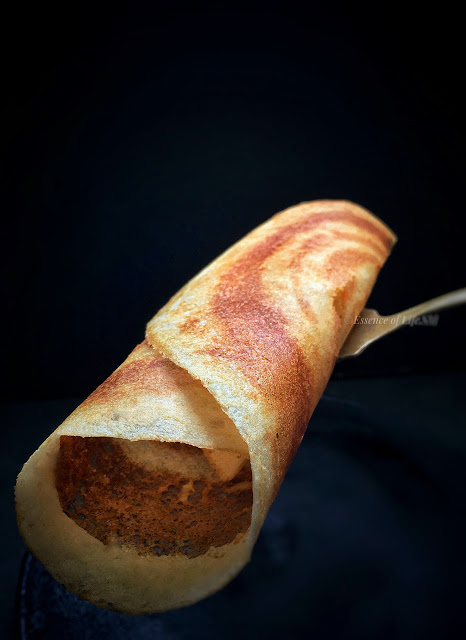
Crisp golden rolled dosa on a seasoned cast iron pan with a brass spatula
Golden Crispy Dosa – Straight from the Tawa


Mastering the Art of Dosa – A South Indian Classic from Batter to Tawa

    If there’s one dish that defines South Indian breakfast, it’s the humble yet glorious dosa. Crisp at the edges, soft at the centre, and made with a beautifully fermented rice-lentil batter, dosa is comfort food redefined. Whether you love it plain, stuffed, or paper-thin, mastering the art of making dosa at home is easier than you think. In this post, I’ll walk you through everything — from choosing the right grinder and dosa tawa to perfecting the batter consistency and fermentation time. Plus, tips to make your dosa crispy, golden, and restaurant-style — right from your home kitchen.


A Classic, Comforting Staple That Never Goes Out of Fashion

    There’s always been a post simmering in the back of my mind — dedicated purely to Dosai, the humble hero of our South Indian kitchen. Simple yet soulful, Dosa is not just food, it’s a feeling. A comfort plate. A weeknight saviour. A Sunday ritual. A tiffin-box memory. A dosa makes itself at home equally on a breakfast table, a weeknight dinner plate, or even as a 4 PM hunger hack.

    Whether it's the Murugal Dosai (crisp roast dosa) you love or the Sada Dosai from your childhood — thick, white, and soft — this dish has stood the test of time and tawa - our own Dosai Kal.


*Did you know?
In many South Indian households, Idli-Dosa batter is the first thing made when setting up a new kitchen. It’s believed that the fermentation marks the start of a thriving home, full of warmth and food.


Why You’ll Love This Dosa Recipe

  • Tried and tested, home-style South Indian dosa batter recipe
  • Tips to get that golden crisp edge – even without a restaurant-style tawa
  • Naturally gluten-free, vegan, and nourishing
  • Suitable for breakfast, dinner, or even lunchbox
  • Includes fermentation tips for humid/rainy or cold climatic regions.


Growing Up on Dosa – A Slice of My Story

    Growing up in a typical South Indian household, Dosa wasn't just another dish — it was a dependable part of life. Alongside Idli, it was an unavoidable presence on our weekly menu. You’d always find a dabba (box) of Idli-Dosa batter resting in the fridge, like a quiet warrior — ready to save the day when you had no clue what to cook.

Soft white Sada Dosai cooked on a cast iron pan, traditional homemade style

Sada Dosai – The Soft, Soulful Classic from Home Kitchens

    At home, the Sada Dosai was the norm — slightly thick, soft and white, often made in small cast iron griddles. The kind you fold with coconut chutney and eat off a banana leaf at a temple feast. My Mum would make dosas for breakfast or dinner, and sometimes I’d beg her to pack them for my school lunchbox. She’d resist, saying, “It’ll go dry by lunch.” But I loved those kanju pona dosas (dried-out, slightly chewy dosas) with chutney or leftover sambar — a personal favourite even now!


From Sada to Crispy – Dosa’s Evolution

    The crispy restaurant-style dosa, with its lacy, golden finish and paper-thin elegance, wasn’t always the norm at home. But thanks to the restaurant boom and the arrival of non-stick dosa pans, home cooks began recreating that beloved Murugal Dosai (crispy roast dosa) with flair. We started fine-tuning our batter, adjusting the grind, letting it ferment just so — all in pursuit of that perfect, golden crispy Dosas.


*Did you know?
The word “Dosai” (Tamil: தோசை) is said to have appeared in ancient Sangam literature. The method of fermentation used in dosa batter has Ayurvedic roots, known to boost gut health and improve nutrient absorption.


Back to the Dosa Recipe – South India’s Favourite Tiffin Staple

    Let’s dive right into the recipe — because let’s be honest, South Indian cuisine is incomplete without Dosa. Among the endless parade of tiffin options — from Idlis to Upmas — Dosa stands tall, golden, and proud.

A staple breakfast item and an eternal comfort food, dosa ticks every box:

  • Tasty 
  • Healthy
  • Easily Digestible
  • Budget-Friendly

    In fact, most South Indian homes wake up to the soothing sizzle of dosa or idli batter meeting a hot tawa. But don’t be fooled by its simplicity — perfecting dosa is an art passed down across generations. It may need just a handful of ingredients, but that perfect texture — be it soft and spongy or thin and crisp — takes a little intuition, a little technique, and a bit of experience!

Making Perfect Dosa: It’s All in the Details

Anyone who’s flipped a dosa (or wrestled with a sticking one) knows this:

                It’s not hard, but it’s not a left-hands play either.

    Get your proportions right, and let that batter ferment like a dream — you’re already halfway there. But then comes the griddle test — where heat, timing, and spreading technique make all the difference.

Checklist: What Makes a Perfect Dosa?

Here’s your go-to guide for dosa mastery:

  • Correct Rice–Urad Dal Ratio
  • Right Type of Rice & Dal (Parboiled rice, whole white urad for best results)
  • Proper Soaking Time – 4–5 hours or overnight
  • Adequate Water During Grinding
  • Smooth Batter Consistency – Not too thick, not too runny
  • Well-Mixed Batter Before Fermenting & Cooking
  • Salt Addition – After Grinding but Before Fermenting
  • Good Fermentation – 8–10 hours (adjust as per weather)
  • Perfect Tawa Heat + Spreading Skill – The final magic!


More Dosa, More Delight! Love experimenting different types of dosas? Discover creative twists — from Vazhaipoo Dosa to Ilaneer Dosa, Rava Dosa to Wheat Dosa.  Click here to explore all Dosa Varieties!


Dosa Recipe Overview

  • Cuisine: South Indian
  • Course: Main Course
  • Difficulty: Medium
  • Author: SM @ Essence of Life - Food

Time Estimate

  • Prep Time: 15–20 minutes
  • Soaking Time: 4–5 hours / Overnight
  • Fermentation Time: 8–10 hours / Overnight
  • Cooking Time: 10–15 minutes
 

Craving More Tiffin Inspiration? From soft idlis to crispy vadas and everything in between — explore more South Indian Tiffin Favourites that bring comfort to every plate.  Click here for more Tiffin Varieties.


The Ultimate Guide to Making Perfect Dosas at Home – Soft, Crispy & Everything In Between

Golden and crispy South Indian dosa rolled and placed on a brass spatula.

Classic South Indian Dosa


    Discover how to make the iconic South Indian dosa in all its forms — from soft Sada Dosas to lacy Paper Roasts — using a traditional batter that’s full of flavour, history, and clever kitchen hacks.


From Soft Dosas to Paper Roasts – A Legacy in Layers

    Growing up, I watched dosa evolve right before my eyes — from the soft, small homemade dosas lovingly flipped on our cast iron pan, to the paper-thin, crispy Murugal Dosas my mum perfected for my brother. She had this brilliant hack: scraping out a thin layer of semi-cooked batter just to make his dosas thinner and crispier — a technique that still works like a charm for restaurant-style paper roasts.

    So here’s the deal: whether you want soft, pillowy dosas or ultra-crispy golden ones — it’s all about how you cook it. The same dosa batter can yield both, if you master the spread, heat, and cooking time. That’s the beauty of it.

ProTip: Want your dosa to be wafer-thin? Try scraping out excess batter once half-cooked for that crisp finish.


Ingredients 

For Dosa Batter

  • 13/4 cups of Idli Rice (Par-boiled Rice)
  • 13/4 cups of Raw Rice 
  • 1 cup of Urad Dal
  • 1/2 cup of Flattened Rice (Aval/ Poha)
  • 1 tablespoon of Fenugreek Seeds
  • 2 tablespoons of Tuvar Dal (optional) 
  • 1 small piece (1/2 an inch) of Ginger (optional)
  • Salt – to taste


Pro Tip: Adding Ginger while grinding your dosa batter. It not only lends a subtle, warming aroma but also helps ease digestion — especially when using urad dal. And ginger even support better fermentation by encouraging healthy microbial activity. 


For making Dosa

  • Oil/Ghee - For Dosa


Method: Step-by-Step Dosa Batter Preparation

Washing & Soaking:

  • Rinse all the ingredients (except Aval/Poha, Salt and Ginger) 3–4 times under running water until the water runs clear.
  • Soak everything together in enough water for 6–8 hours or overnight.
  • Soak the Flattened Rice (Aval/Poha) just 10 minutes before grinding the batter. 


Pro Tip: Flattened Rice (Aval/Poha) doesn’t need to be soak for.long — a quick soak is enough to soften it and blend smoothly into the batter.  No Aval (flattened rice) at home? You can use the same amount of cooked rice instead. 


Grinding the Batter:

  • Drain the soaked ingredients.
  • Grind in a wet grinder or a mixer grinder (in batches) until smooth.
  • Add the ginger while grinding.
  • Use cold or ice water for grinding in a mixer to prevent heat build-up.
  • You’ll need around 2–3 cups of water, depending on your equipment.

No Wet Grinder? No Problem!
This Idli-Dosa Batter recipe works beautifully in a regular Indian mixie (mixer-grinder). Whether you're in a hostel, flat, or abroad without a traditional grinder — this method still gives you soft, fluffy idlis and crispy, golden dosas every time. Click here for the Idli Dosa Batter Recipe using a Blender/Mixie.


Mixing & Fermenting:

  • Transfer the ground batter to a large bowl.
  • Add salt and mix thoroughly using your hand – this helps activate fermentation.
  • Optionally, mix in the thawed old batter at this stage.
  • Cover and leave the batter to ferment in a warm place for 8–10 hours or overnight.

Fermentation Hack

    I have lived in Malaysia for years now, and fermentation has always been tricky. So here’s my kitchen fix — I freeze about 1/2 a cup of old fermented dosa batter, thaw it on the day I grind a new batch, and mix it into the fresh batter. Works like a charm to kickstart fermentation.

ProTip: Old batter contains active cultures that accelerate the fermentation process. Think of it as your dosa sourdough starter!


How to Make the Perfect Dosa – Three Styles

Soft white Sada Dosai cooked on a cast iron pan, traditional homemade style

For Soft Dosai (Sada Dosai):

  • Heat the dosa griddle well, then reduce to low flame.
  • Lightly grease with oil.
  • Pour a ladle of batter and spread it gently – keep it thick.
  • Cover and cook on low flame till soft and cooked.
  • Optionally flip once for even cooking.
  • Remove when done.

Note: Cooking on low flame keeps the dosa soft and white. If you prefer light golden colour, let it stay a bit longer uncovered.


Crispy Murugal Dosai with golden lacy edges
 

For Crispy Dosa (Murugal Dosai):

  • Heat the pan on high, then lower to medium.
  • Grease well using oil and an onion slice or cloth.
  • Pour batter and spread evenly in a circle.
  • Cook on medium flame until golden and crisp.
  • No need to flip. Roll it and serve!
 

ProTip: Adding ghee/oil at the edges gives that extra restaurant-style crunch.
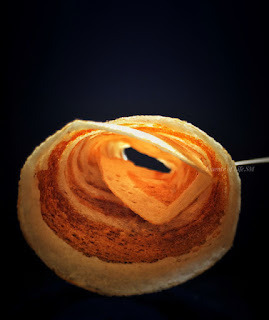


Crisp golden paper dosai rolled tight, with delicate inner layers clearly visible


For Paper Roast (Paper Dosai)

  • Follow same process as crispy dosa.
  • When half cooked, scrape off excess batter using dosa ladle to make it super thin.
  • Cook on medium heat till very crisp.
  • Serve as is, no flipping required.
 

Note: This scraping technique was my Amma’s trick to keep my brother happy with restaurant-style crispness!


Pro Tips & Notes

  • Always use Idli rice + Raw rice combo for balanced texture.
  • Addition of Aval or cooked rice - helps with fermentation and gives you crispy dosas with the right balance — without compromising on that golden crunch! 
  • Use a dedicated dosa pan – either non-stick or cast iron or a traditional bronze.
  • Mix batter thoroughly each time before pouring.
  • Cold weather? Leave batter near the oven light or wrapped in a towel.
  • Don’t add salt while grinding – it can slow down fermentation.


Storing Dosa Batter

  • Refrigerate once fermented.
  • Keeps well for 3–4 days.
  • Bring to room temperature before use.
  • Adjust water to get desired consistency.


Serving Suggestions

Dosa isn’t complete without its loyal companions:

  • Coconut Chutney
  • Sambar
  • Onion Chutneys
  • Kuruma
  • Vengaya Kosu
  • Tomato Chutneys 

Want to try more chutneys for your dosa platter? [Click here for Chutney Recipes]


Feeling indulgent? Dosas also go brilliantly with hearty South Indian curries — both vegetarian and non-vegetarian:

  • Kongu Style Mutton Kuzhambu or Nadan Mutton Curry
  • Chettinad Chicken Kuzhambu or Nattu Kozhi Kuzhambu
  • Chettinad Fish Curry or a Tangy Fish Curry


Variations You Can Make With the Same Batter

Soft Kal Dosai served with curry
Kal Dosai
Masala Dosa with potato filling on banana leaf
Masala Dosai
Tomato Dosa – Bright red and spicy
Tomato Dosai/Thakkali Dosai
Kari Dosai with minced meat filling
Madurai Kari Dosai
Crispy golden Podi Dosai
Podi Dosai
Crispy golden Paniyaram served hot
Paniyaram
  • Masala Dosai
  • Kari Dosai (Minced Meat Dosai)
  • Tomato Dosai
  • Mutta Dosai/Egg Dosai
  • Podi Dosai
  • Uthappam
  • Kal Dosai
  • Paniyaram

Looking for a Idli Dosa Batter that works with just a blender (mixer-grinder)? [Click here – I’ve got you covered!]


FAQs

Q: Why are my dosas not golden? 

  • Could be not enough fenugreek seeds in the batter. Fenugreek helps yield that lovely golden hue.

Q: Can I use the same batter for idlis? 

  • Yes! Usually, the freshly fermented batter is ideal for idlis. If you're planning idlis, grind the batter a little thicker.

Q: Why are my dosas not thin and crispy? 

  • The batter may be too thick or under-fermented. Adjust water to thin the batter and let it ferment properly.

Q: My batter didn’t ferment well – what can I do? 

  • Allow it to ferment in room temperature for few more hours or make uthappams with it! Slightly thick, soft dosas topped with onions or veggies work beautifully.

Q: My dosa sticks to the pan – what am I doing wrong? 

  • Could be low heat, unseasoned pan, or wrong batter consistency. See my pan rescue tips below!

My 25-Year-Old Non-Stick Dosai Kal – Convex, Loyal & Completely Mine

My 25 year old Non-stick Dosa Pan, seasoned and well used for years

     Let me share a little slice of my kitchen legacy — I’ve been using the same non-stick dosai kal since May 2000. That’s right — she’s 25, and in my eyes, she’s ageing like cast iron. Strictly reserved for dosai — nothing else touches her surface, nothing whatsoever.     

    Now here’s the twist: thanks to the super high-flame wok suitable burners we have in Malaysia, my dosai kal has developed a gentle convex curve right at the centre. It's bowed ever so slightly, like a proud old soldier. My Amma can’t believe I still use it.  She once looked at it, eyebrows raised, and said, “How on earth do you manage to pour dosai on this? Won’t the batter just run off the sides?”   I laughed and replied, “Maybe for others. But this one listens to me.”


Bronze Dosa Pan, a tradtional South Indian dosa making utensil     

    Because truly — my dosai kal may be domed, scratched in memory, and heat-kissed over decades, but to me, she’s an obedient confidant. She understands the swirl of my hand, the rhythm of my ladle. When it’s just me and her in the kitchen, making dosai — it feels effortless.

    Even my daughter walks carefully around it. She's the only other person allowed to flip dosais on it — though even she admits, “I’m not sure if you’re more excited that I’m cooking… or silently panicking inside.”

 And yes — I now own a shiny new bronze dosai kal, beautifully seasoned and all that. But this one? This one is legacy.


How I Grease My Dosa Pan – Not Just a Step, It’s a Ritual

Before pouring that first ladle of batter, the pan needs to be just right — and so does the oiling.

Here’s what I do:

    I slice off the top of a big onion, stick a small fork tightly into it, and swirl it around the hot pan with a few drops of oil. Trust me, this isn’t just my quirk — most Indian kitchens swear by this time-tested trick. The onion adds a slight caramelised touch and ensures the oil is spread evenly.

ProTip: Onion not only spreads the oil well but also helps season the pan, making dosas less likely to stick.

Of course, you’ll find other methods too:

  • Some use a small potli (cloth bundle) dipped in oil. I personally feel it's not the most hygienic — especially if it’s reused and left unwashed.
  • My grandmother’s technique (and what I saw in roadside dosa stalls in the '80s) involved using the rib of a banana leaf, slit open to expose the pith inside. With a drizzle of oil, she'd gracefully swirl it across the griddle. It had a certain old-world charm and a wonderful aroma.
  • And then there’s the cringe-inducing one: the coconut broomstick. Yes, the very same brooms we use to sweep the verandah or wash bathrooms in olden days. Some roadside shacks still use it to grease the pan — bless their efficiency, but no, thanks! Charming? Maybe. Hygienic? You decide!

Tradition Talk: These hacks may look rustic, but they’ve seasoned generations of dosa pans before fancy oil brushes ever existed.


Crisp golden paper dosai rolled tight, with delicate inner layers clearly visible

Paper Dosai – Crispy, Wafer-Thin, Rolled & Golden to Perfection

Bonus Dosa Pro Tip – When the Pan Gets Too Hot!

    Ever find it hard to spread your dosa batter evenly? Or your dosa browns too fast without crisping? Chances are, your pan is too hot.

Here’s a trick that’s as old as dosa kal itself:

After oiling the pan, if it’s overheated, just sprinkle a handful of room temperature water over it. You’ll hear a quick sizzle — wipe it off immediately using the same onion-on-fork or banana rib you used to grease the pan.

It not only cools the pan instantly, but also evens out the surface temperature — giving you that golden hue and perfect texture.

ProTip: This step is especially helpful if you're making batches back-to-back. It resets the pan and keeps each dosa consistent.
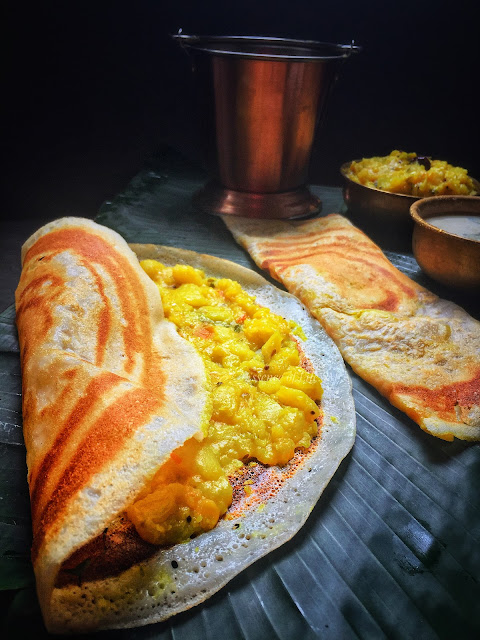

Golden crisp masala dosa filled with potato masala, served hot with chutney

Authentic Masala Dosa - Crisp Outside Spiced within


Dosa Chronicles

    And just like that, a ladle of batter becomes a memory — of Amma’s hands, morning aromas, the sizzle of a well-worn tawa, and quiet breakfasts before the world wakes up.

    Dosa isn’t just food — it’s a rhythm we grew up with, a quite constant through the noise of life. Whether it’s made in a slow, sunlit kitchen or amidst the clang of a busy morning flat, its comfort never wavers. If this post brought back a slice of your own story, I hope you’ll carry it forward — in your kitchen, in your conversations, maybe even in your own pan that ages lovingly over the years.

  • Dive into more Dosa Varieties - from Quick-fix ones to the most traditional ones.
  • Pair your dosa with that perfect chutney or curry of your choice.
  • Or just come back here when you need a little culinary comfort.

Let’s keep the Dosa swirling, one memory at a time.


Newer Posts Older Posts Home
Search Essence of Life - Food

I Me Myself

A vintage-style horizontal oval frame showcasing ornate silver spoons on a dark rustic surface

Essence of Life - Food is all about daily cooking with a simple sense of taste and health. It is all about food. Not a day goes by without eating for most of us, so what we eat matters on the whole. Food in the mode of goodness increases the duration of life, purifies one's existence, and gives strength, health, happiness, and satisfaction. Above all ingredients, the most vital one in my kitchen is love.

Sm @ Essence of Life - Food

Popular Posts

  • Kizhi Parotta: Kothu Parotta and Salna Wrapped in Banana Leaves
  • Pesaha Appam & Paal Recipe | Traditional Kerala Indri Appam for Maundy Thursday
  • Madurai Mutton Chukka Varuval
  • How to Make Kerala Kanji | Traditional Rice Porridge with Payar, Chammanthi & Achar
  • How to Serve Onam & Vishu Sadhya: Tips for the Perfect Kerala Feast

Labels

AROUND THE WORLD BAKING BEVERAGES BIRIYANI & PULAO BREAKFAST CURRIES DESSERTS FROM GODS OWN COUNTRY From My Family's Kitchen - Heirloom Recipes GLOSSARY HOW TO... KERALA PALAHARAM KONGU CUISINE KUIH MUIH MALAYSIAN CUISINE MIDDLE EASTERN CUISINE Manvasanai - Flavours from Tamil Soil PICKLES RICE DISHES ROTIS SADHYA SNACKS & SAVOURIES SOUPS SPICE POWDERS TIFFIN ITEMS VIRUNDHU WINES eBook
Ebook - What I Cook - For Onam

Ebook - “What I Cook - For Onam”

Amazon.com/dp/B0CGPVY6J3

Indulge in Kerala’s Culinary Heritage: Traditional Onam Sadhya Recipes, with Expert Serving Tips! Celebrate Onam the authentic way! Discover 25 timeless Kerala Sadya recipes in my ebook. From avial to payasam, bring home the flavours of tradition. Available now on Amazon!

Essence of Life

Subscribe & Follow

© 2026 | Essence of Life - Food

  • Home
  • Ask First
    Please note that all rights for the photographs and texts on this blog, unless otherwise mentioned, rests with the author. Please do not use without permission.
  • Privacy Policy