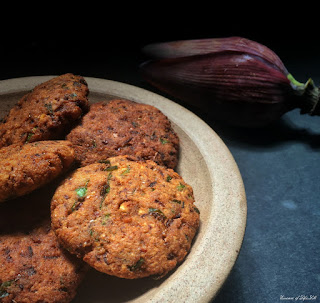
Today is Onam - Thiruvonam. A year-long wait, when the King comes knocking the doors of God's Own Country. The land gets ready to welcome the King - Mahabali. A festive mode clings along with a 10 day long celebrations starting from Atham and Thiruvonam is the next big day.
Showing posts sorted by relevance for query payasam with rice. Sort by date Show all posts
![]() |
| JACKFRUIT AND RICE PAYASAM - PONSA GHARAI |
Jackfruit and Rice Payasam is a tasty dessert prepared with Jackfruit slices, Rice, Coconut Milk/Milk & Jaggery/Sugar, flavoured with Cardamoms and garnished with Cashews & Almonds. Authentic Chakka Pradhaman/Jackfruit Pradhaman is the one which is quite prevalent and popular pradhaman prepared with Jackfruit. This type of Payasam is unique to Udupi/Konkani Cuisine, and it is called 'PONSA GHARAI'. This Jackfruit Rice Payasam recipe can be prepared with Milk/Coconut Milk and can be sweetened with Sugar/Jaggery.
Jackfruit and Rice Payasam is a recipe which I jotted down in my first recipe book during my school days. The first time I tried this recipe, I didn't get a chance to even taste the Payasam. The moment I finished preparing this Payasam with few left-over Jackfruit Pods, few of our relatives visited our home unexpectedly, and there you go I served them with fuming hot Jackfruit & Rice Payasam. The whole lot just vanished off within minutes, and I had to wait for the next Jackfruit season to even taste my first trial version of this Payasam.
Though there are different versions of the same recipe, I always use Basmati Rice for this Payasam. But the overwhelming aroma of the Jackfruit takes off the show. Soaked, slightly dried, and coarsely ground Basmati Rice is cooked in coconut milk along with tiny Jackfruit slices in this Payasam recipe. This dessert is an absolute treat for people who love Jackfruit.
Cuisine - Konkani (Mangalore), India
Recipe Type - Payasam/Pradhaman/Kheer, Dessert
Difficulty -Medium
Serves - 3 - 4
Author - SM
Soaking Time - 20-30 Minutes
Preparation Time - 25-30 Minutes
Cooking Time - 30-45 Minutes
For more PAYASAM/PRADHAMAN/KHEER Recipes, Click here ...
HOW TO COOK JACKFRUIT AND RICE PAYASAM
- PONSA GHARAI
![]() |
| JACKFRUIT AND RICE PAYASAM - PONSA GHARAI |
INGREDIENTS :
Jackfruit - 1 CupBasmati/Raw Rice - 3 Teaspoons
Jaggery - 1/2 Cup
Thick Coconut Milk - 1 Cup
Thin Coconut Milk - 1 Cup
Cardamom - 3–4 Nos.
Water - 1/2 Cup
To Garnish :
Ghee - 1 TablespoonCashew Nuts - Few
Almonds - Few
METHOD:
- Wash and Soak the Basmati Rice for about 20–30 Minutes.
- Once soaked, drain the rice and allow it to dry on a clean kitchen towel for 20–30 Minutes.
- Dry grind the Rice coarsely in a mixer. It should not be ground into fine powder.
- Melt Jaggery in 1/2 Cup of Water, strain for any impurities and keep it aside.
- Remove the seeds from the Jackfruit Pods and cut the Jackfruit pods into thin slices.
- Grind Cardamoms with few teaspoons of Sugar into a fine powder and keep it aside.
- Heat Ghee in a Pan, roast Cashew nuts and sliced Almonds until they turn into golden brown.
- Cook coarsely ground Rice in 1/2 Cup of Water & 1 Cup of Thin Coconut Milk.
- Cook the rice on a low flame, stirring occasionally.
- Make sure the flame is low, and the rice doesn't stick to the bottom and burn.
- Once the rice turns soft, add Jackfruit slices to the cooked rice and cook until the jackfruit turns soft.
- Add the Cardamom powder and give a quick stir.
- Pour in the melted Jaggery to the above and allow it to boil for a few minutes on a very low flame.
- Finally, pour in the Thick Coconut Milk to the Jack Fruit & Rice Payasam and mix well.
- Cook this on a low flame for a few minutes, stirring occasionally.
- Garnish the Jackfruit & Rice Payasam with Cashew Nuts and Almonds roasted in Ghee.
- Serve the Jack Fruit & Rice Payasam hot or cold.
NOTES :
- Can use Basmati Rice/Raw Rice for the recipe.
- Some recipes do not powder the Rice and some recipes use Rice Flour, use as preferred.
- The soaked rice should not be allowed to dry totally. Allow it to dry only for about 20–30 minutes.
- Grind the Rice Coarsely.
- Can substitute Rice with White Rava/Semolina. Dry roast the Semolina before adding it into the Payasam.
- Can substitute the Coconut Milk with Milk and Jaggery with Sugar/Rock Sugar.
- Adjust the consistency of the Payasam to suit your preference.
- Jackfruit imparts a natural sweetness into the Payasam, adjust the amount of Jaggery/Sugar to suit your sweet tooth.
- Once you add the Coconut Milk, start cooking on a very low flame and stir occasionally, otherwise, it may curdle.
- Make sure the flame is low, and the rice doesn't stick to the bottom and burn, which will spoil the taste of the Payasam.
![]() |
Aravana Payasam: A Tribute on a Special Anniversary
Today marks a momentous occasion—the 50th Wedding Anniversary of my beloved parents. Unfortunately, circumstances prevented me from celebrating this special day alongside them. To honor their love and this significant milestone from afar, I've decided to revisit a cherished recipe that resonates deeply with every Malayali heart: Aravana Payasam.
Aravana Payasam isn't just any dessert; it's a divine offering, deeply ingrained in Kerala's temple traditions, particularly famous as the Prasadham at Sabarimala. This thick, luscious dessert is meticulously slow-cooked, combining raw rice (Unakkalari) with generous amounts of ghee and jaggery. Each spoonful of this payasam carries the essence of devotion and tradition, designed to be savoured slowly, in small quantities, reflecting its rich and intense flavours. It is also called as Kadumpayasam/Kadumadhura Payasam or the strong payasam in terms of its sweetness.
This dish not only celebrates a union but also connects us through flavours to our spiritual heritage, making each bite a tribute to both divine and earthly love.
Aravana Payasam: A Divine Recipe from Sabarimala
Aravana Payasam isn't just a dish; it's a cherished memory of divinity from my childhood visits to Sabarimala. This revered sweet dish is the quintessential Prasadham at the Sabarimala Shree Ayyappa Swami Temple, representing an important offering during the Mandalam-Makaravilakku pilgrimage season. Reflecting on the past, I vividly recall how my father would bring home this delightful payasam in small plastic containers—a tradition that marked every visit.
Traditionally, Aravana Payasam was prepared in large stone and brass wares at the temple, though now it is more commonly tinned to meet the high demand and ensure longer shelf life. This adaptation highlights its importance and the evolving practices of its preparation.
The recipe for Aravana Payasam is deceptively simple, requiring only three ingredients: Unakkalari (raw rice), Jaggery, and Ghee. Yet, its preparation is imbued with devotion and care, especially when my father makes it. Not only does he prepare it for our neighbourhood temple during Mandala Kaalam, but it also serves as a vital part of Mandalakala(Ayyappa) Puja and Annadhanam.
Having finally persuaded my father to write down his method, I treasure his handwritten recipe, especially the succinct final note that beautifully encapsulates the essence of this divine dish. His ability to distil complex processes into simple, memorable steps is what makes him an excellent teacher.
![]() |
Perfecting Aravana Payasam: A Guide to Proportions
When crafting the traditional Aravana Payasam, understanding the right proportions of ingredients is crucial for achieving its unique taste and texture. For those who may struggle with deciphering handwritten recipes, here’s a clear breakdown of the essential measurements needed to prepare this divine dessert.
For every cup of Unakkalari (raw rice) used, the recipe calls for four cups of Jaggery, enhancing the sweetness that characterizes this beloved prasadham. Complementing these are half a cup of Ghee and half a cup of coconut slices, which introduce a rich, creamy texture and a subtle tropical flavour to the dish.
In simpler terms, the ratio for making Aravana Payasam can be remembered as: 1 part rice, 4 parts Jaggery, 0.5 part Ghee, and 0.5 part coconut slices. This guideline ensures that even novice cooks can achieve the authentic taste that makes Aravana Payasam a standout dish during religious festivities and temple offerings in Kerala.
![]() |
A Symbolic Presentation of Aravana Payasam as Temple Offering |
Exploring the Historical Roots of Aravana Payasam and its Spiritual Significance
Before delving into the recipe for Aravana Payasam, it's essential to appreciate its rich historical and spiritual background. This cherished dish, synonymous with the sacred Ayyappa Prasadham, boasts a profound origin that resonates deeply with devotees.
There are two predominant tales that explain the inception of Aravana Payasam. The most celebrated narrative involves Aravana Rishi. According to legend, this revered sage first prepared the dish as an offering to Lord Ayyappan at the Sabarimala Temple, which is nestled deep within a lush forest. In ancient times, pilgrims would journey for days, navigating through dense woods to reach the temple, carrying basic provisions like Unakkalari (raw rice). The Payasam was likely concocted from these simple ingredients to not only serve as an offering, but also to sustain the devotees due to its longer shelf life.
A second story suggests the name ‘Aravana’ derives from an old interpretation for 'God'. In this view, the sweet Payasam cooked for the deity was thus fittingly named Aravana Payasam, emphasizing its divine purpose.
Both stories highlight the Payasam's enduring significance as more than just food; it's a divine offering steeped in tradition and devotion, integral to the worship practices at Sabarimala. This background enriches the cultural and spiritual value of Aravana Payasam, making it a pivotal element of the temple's lore and festivities.
![]() |
The exquisite blend of Unakkalari (raw rice) and Sarkkara (jaggery) in Aravana Payasam never fails to amaze me. It's a testament to how prasadhams, or offerings, transcend mere taste to satisfy both palate and soul. At home, my parents excel in crafting the finest Neypayasam and Aravana Payasam, often preparing them for Annadhanam, a noble tradition of feeding the community.
The aroma of Aravana Payasam simmering with ghee and jaggery fills my entire house with a divine essence. Yet, its essence truly shines in temple settings, where its sweetness and richness are unparalleled. Remember, this delicacy is best enjoyed in small servings, with just a spoonful enough to relish its robust flavours.
Explore more delightful recipes on Payasam, Pradhamans, and Kheers to discover the diverse flavours and cultural heritage they offer.
Cuisine - Kerala (India)
Recipe Type - Pradhaman/Payasam, Dessert
Difficulty - Easy
Serves - 4- 6
Author - SM
Preparation Time - 15-25 Minutes
Cooking Time - 20 -30 Minutes
How to Cook Sabarimala Aravana Payasam at Home
![]() |
Ingredients for Traditional Aravana Payasam Recipe:
To Cook the Rice:
1 Cup Raw Rice(Unakkalari)
1.5 - 2 Cups of Water
For Aravana Payasam:
4 Cups Jaggery
1/2 Cup Ghee
1/2 Cup Coconut Slices
4-5 Cardamom Pods
1/2 Teaspoon Dry Ginger Powder
1/2 Cup Ghee
1/2 Cup Coconut Slices
4-5 Cardamom Pods
1/2 Teaspoon Dry Ginger Powder
![]() |
| Delicious Aravana Payasam for Prasadham |
Step-by-Step Method to Prepare Aravana Payasam
To ensure your Aravana Payasam turns out perfect every time, follow these detailed steps:
Preparations:
- Grind cardamom into a fine powder and set aside.
- Grind Dry Ginger into a fine powder and set aside.
- Slice coconut into small pieces.
Jaggery Preparation:
- In a separate pot, melt Jaggery in 1.5 cups of water. Boil until fully dissolved, then strain to remove any impurities.
Rice Preparation:
- Rinse the Unakkalari (raw rice) thoroughly 2-3 times until the water runs clear to remove excess starch.
Cooking the Rice:
- Pressure Cooker - Pressure-cook the rinsed rice with 1.5 cups of water. Bring to high pressure and cook for 1 whistle, then lower the flame and cook for an additional 2-3 whistles. Allow the pressure to release naturally.
- Saucepan - Alternatively, cook the rice in a saucepan by boiling 2 cups of water and adding the rice. Cook until it's 3/4 done.
Cooking Aravana Payasam:
- Heat ghee in a heavy-bottomed pan (like a brass Uruli) and fry coconut slices until they turn light golden brown.
- Pour the melted Jaggery into the pan with fried coconut. Cook on low heat for a few minutes.
- Gently add the cooked rice to the mixture, ensuring thorough mixing.
- Cook on a very low flame, stirring continuously, until the rice absorbs the Jaggery solution.
- Add cardamom powder and dry ginger powder. Continue cooking until the Aravana Payasam begins to leave the sides of the pan.
Adjusting the Consistency:
- Adjust the consistency to your liking by adding more water if needed.
Serving:
- Once done, switch off the flame and serve the Aravana Payasam hot or warm.
- For a delightful twist, serve with a banana on the side.
For delectable delicacies from God's Own Country - Kerala Click here...
![]() |
Key Notes for Perfecting Aravana Payasam
Here are essential tips to enhance your Aravana Payasam preparation:
- Choice of Rice: This recipe uses raw rice, ideally Unakkalari. Adjust water and cooking time accordingly for best results.
- Alternative Rice Options: Kerala Matta Rice or Unakkalari (Raw Kerala Rice) can also be used. When using Kerala Matta Rice, cook 1 cup of rice with 5 cups of water.
- Cooking Methods: Aravana Payasam can be cooked in a saucepan, pressure cooker, or rice cooker. Adjust water levels as needed, especially when using a saucepan, to achieve desired consistency.
- Sweetness Adjustment: Aravana Payasam is known for its sweetness. Adjust the amount of jaggery to suit personal taste preferences.
- Additional Ingredients: For added richness, consider incorporating fried cashew nuts, raisins, and coconut slices in ghee. *Note, however, that traditionally Aravana Payasam as Prasadham does not include these add-ons.
Mastering the art of preparing Aravana Payasam unlocks a gateway to Kerala's rich culinary heritage and spiritual traditions. Whether using Unakkalari or Kerala Matta Rice, the key lies in balancing ingredients like jaggery, ghee, and coconut to achieve its signature sweetness and depth of flavour. Remember, this beloved prasad can be savored in moderation, making each spoonful a divine experience. Explore the nuances of this timeless dessert, perfect for religious offerings and festive celebrations alike, and bring home the essence of Kerala with every aromatic serving of Aravana Payasam.
Aravana Payasam - Mastering the Taste of Kerala's Divine Delight
Aravana Payasam - Traditional Kerala Dessert
![]() |
Traditional Kavuni Arisi Payasam - Chettinad Sweet Recipe |
Kavuni Arisi Payasam: A Traditional Chettinad Dessert with a Fascinating Legacy
Few dishes as rich as Kavuni Arisi Payasam tell a story, a story of a lifetime, a story of a community, their heritage and legacy. An ethnic and unique dessert of the Chettinad community. This signature dish, made with the intriguing black sticky rice known as Kavuni Arisi, carries the legacy of the Chettiars' vibrant history of travel, trade, and cultural exchange. Let’s dive into the origins, traditions, and a time-honoured recipe that celebrates this unique Chettinad Sweet.
![]() |
A Quick & Creamy Kerala Paal Payasam for Onam/Vishu
Paal Payasam, also known as Ari Payasam or Kerala-style rice kheer, is a traditional dessert made with rice, milk, and sugar. This easy pressure cooker Paal Payasam recipe gives you the same classic taste and signature pink hue without hours of slow cooking. A staple in Onam Sadhya, this Kerala paal payasam is simple, comforting, and perfect for festive occasions or everyday indulgence.
Today is "Uthradam", the first day of the main four days of Onam. Let’s celebrate with something sweet, simple — quick Paal Payasam, easily made in a pressure cooker.
Cooking Paal Payasam in a pressure cooker makes the process effortless while still giving you that gently caramelised flavour and a rich, creamy texture, just like the traditional wood fire version made in a bronze uruli.
What is Paal Payasam / Ari Payasam?
Paal Payasam is a traditional Kerala rice pudding made with rice, milk, and sugar, slow-cooked to a creamy consistency with a natural pink hue.
It is one of the simplest and most loved payasams. When prepared in a pressure cooker, the process becomes far more convenient, making it an accessible version of a deeply traditional dish.
Traditionally, Paal Payasam is made using Kerala Rose Matta Rice (Unakkalari / Chembavu Ari) and cooked slowly in a bronze uruli. This gradual cooking process allows the milk to reduce and develop its characteristic flavour and colour.
This version uses basmati rice for convenience while still preserving the essence of the original. The key lies in slow cooking over a very low flame, allowing the milk to thicken and gently caramelise, while the rice cooks to a soft, luscious texture.
Here, the pressure cooker recreates that same slow-cooking effect under controlled heat, giving you a lusciously textured Paal Payasam that comes remarkably close to the traditional Unakkalari version.
![]() |
This easy Paal Payasam is made with just three main ingredients—Basmati Rice, Milk, and Sugar. Nuts and cardamom can be added for flavour, but they are entirely optional. Prepared in a pressure cooker, this method keeps the process simple while still delivering a deeply satisfying dessert.
It is one of the most common payasams served in a traditional Sadhya. Among sugar based payasams, often referred to as Vella Payasam (white payasam), Paal Payasam and Palada Payasam remain favourites during Onam and Vishu.
When it comes to Paal Payasam, the legendary Ambalapuzha version stands in a league of its own. Offered as naivedyam at the Sree Krishna Temple in Ambalapuzha, it is celebrated for its heritage and unmistakable flavour.
Try the traditional Ambalapuzha Paal Payasam, a classic temple-style dessert made with rice and milk, slow-cooked to perfection for its signature taste and texture.
This quick pressure cooker version, however, holds its own— smooth, comforting in every spoonful. It’s perfect for busy days when you still want to serve something festive and authentic, without spending long hours at the stove.
Love traditional desserts like this? Explore more Payasam, Pradhaman and Kheer Recipes, from quick everyday sweets to festive classics.
Paal Payasam Recipe Overview
- Cuisine - Kerala (India)
- Recipe Type - Pradhaman/Payasam, Dessert
- Difficulty - Easy
- Serves - 4-6
- Author - SM @ Essence of Life - Food
Time Estimate
- Preparation Time - 15–25 Minutes
- Cooking Time - 30–45 Minutes
How to Cook Paal Payasam in Pressure Cooker - Quick & Easy Ari Payasam Recipe
![]() |
Ingredients For Paal Payasam/Ari Payasam:
- 4 tbsp Basmati Rice/Raw Rice
- 10 tbsp Sugar
- 2 litres Full-fat Milk
- 1 tsp Cardamom Powder (Optional)
- Cashew Nuts - Few (Optional)
Method - Step-by-step Guide to make Paal Payasam
Preparation
- Wash and soak the basmati rice (or raw rice) in 1½ cups water for 20–30 minutes.
- Drain and discard the water.
- Chop the cashew nuts and set aside.
- Grind the cardamom pods with a little sugar into a fine powder.
![]() |
Cooking Paal Payasam in Pressure Cooker
- In a clean pressure cooker, add the soaked rice, sugar, milk, cardamom powder, and chopped cashews. Mix well.
- Close the lid and cook on high flame until pressure begins to build.
- Reduce the heat to the lowest setting and cook for 30–45 minutes.
- Switch off the heat and allow the pressure to release naturally. Do not open immediately.
- Once fully cooled, open the lid and gently stir the Paal Payasam.
- Serve it hot or cold.
Want to recreate a full Sadhya Menu? Explore Traditional Onam Sadhya Recipes—a collection of traditional Kerala dishes perfect for a festive meal.
Serving Suggestions
- The Traditional Banana Leaf Experience: For an authentic Kerala Sadhya feel, serve the warm Pink Paal Payasam on a fresh, clean banana leaf, soon after the Sadhya. The slight heat from the Payasam releases a subtle, earthy aroma from the leaf that elevates the entire tasting experience.
- Payasam, Pappadam & Pazham: In many Kerala households, a spoonful of Paal Payasam is paired with a small, ripe Palayankodan (Mysore) Banana and a crispy Pappadam. Crushing the Pappadam into the creamy rice pudding provides a delightful salty crunch that balances the intense sweetness.
- Warm vs. Chilled: While the traditionalists prefer it warm (especially when it’s freshly made in an Uruli), this Ari Payasam tastes equally divine when chilled. Refrigerating it for a few hours allows the milk to thicken into a custard-like consistency—perfect for a hot summer afternoon.
![]() |
Pro Tips & Notes - The Secret to the Perfect Pink Paal Payasam
- The Magic of Slow Cooking: The absolute secret behind achieving that iconic pink, rich, and creamy Paal Payasam is patience. Slow-cooking the milk allows it to caramelize naturally with the sugar, creating a deep, velvety texture without any artificial thickeners.
- Pressure Cooker: For a hassle-free version, cook on a very low flame for at least 15–20 minutes. Crucial Tip: Ensure the pressure does not release (whistle) during this time, as the milk can splatter, creating a mess and ruining the consistency.
- Resting Period: Once the heat is off, leave the pressure cooker untouched for at least 30 minutes. This "resting phase" allows the residual heat to deepen the colour and marry the flavours perfectly.
- Rice Variations (Unakkalari): If you are using traditional Kerala Matta Rice (Unakkalari), soak the grains for 30 minutes before cooking. Increase the pressure cooking time to 30–45 minutes to ensure the rice is perfectly tender.
- Traditional Bronze Vessel (Uruli): For the most authentic flavour, a wide-mouthed Bronze Uruli is the gold standard. If using a heavy-bottomed pan or Uruli, be prepared for a longer simmer (30–45 minutes) to reach that desired rosy hue.
- Vigilance: When cooking in an open vessel, never leave the Payasam unattended. Stir occasionally on a medium-low flame to prevent the milk from scorching at the bottom, which would impart a burnt taste.
- Minimalist Touch: Traditionally, an authentic Ari Payasam requires only four humble ingredients: Rice, Sugar, Milk, and Water. While cardamom powder and nuts are popular, they are entirely optional if you want to stay true to the temple-style original.
- Should we add Ghee? While many South Indian desserts demand fried cashews and raisins, this specific recipe's speciality is its simplicity. I prefer skipping the ghee-fried garnish to keep the milky aroma pure, but feel free to add them if you fancy a bit of crunch!
FAQs
Q: Can I use any rice for Paal Payasam?
- While you can technically use any short-grain rice, Kerala Matta Rice (Unakkalari) is the gold standard. Its unique texture and slight nuttiness provide that authentic temple-style taste that regular white rice simply cannot replicate.
Q: Why does Paal Payasam turn pink?
- The magic lies in Maillard reaction and gentle caramelisation. When milk and sugar are slow-cooked for an extended period, the sugars caramelize, transforming the stark white milk into a gorgeous, natural pink hue with a deep, smoky sweetness.
Q: Can I make this without a pressure cooker?
- Absolutely! In fact, traditionalists prefer a heavy-bottomed pan or a Bronze Uruli. It requires more patience and frequent stirring (about 30–45 minutes) on low heat, but the depth of flavour achieved through open-pot slow cooking is unparalleled.
Q: Can I reduce the sugar?
- Yes, you can adjust the sweetness to your preference. However, keep in mind that the sugar is essential for the caramelisation process that creates the pink colour. If you reduce it significantly, the hue may remain paler.
Q: Is it necessary to add condensed milk?
- Not at all. A traditional Ari Payasam relies solely on the reduction of full-fat milk. While condensed milk speeds up the thickening, it alters the authentic flavor profile of this ancient recipe.
Q: How do I prevent the milk from burning at the bottom?
- If cooking in an open vessel, use a heavy-bottomed pan and maintain a medium-low flame. Stirring occasionally is vital to ensure the milk solids don't stick and scorch, which would ruin the delicate aroma.
![]() |
Recipes You Might Like
If you enjoyed this Paal Payasam, you will absolutely fall in love with these traditional Kerala delicacies from my collection:
- Ambalapuzha Paal Payasam – Discover the legendary "Goshala" secret behind the world-famous pink prasadam from the Ambalapuzha Sri Krishna Temple.
- Paalada Pradhaman – A celebratory staple made with steamed rice flakes (Ada), slow-cooked in milk and sugar until it reaches a velvety perfection.
- Aravana Payasam – The dark, thick, and intensely sweet jaggery-based rice offering, famous for its long shelf life and deep caramel notes.
- Chakka Pradhaman – A seasonal masterpiece made with ripe jackfruit preserves (Chakka Varatti), coconut milk, and aromatic spices.
A perfect Paal Payasam is less about the ingredients and more about the art of patience. There is something profoundly poetic about watching simple white milk transform into a rich, rosy concoction with deep and rich milk flavour through nothing but the steady application of heat and patience. Whether you are recreating this for a festive Sadhya or simply to satisfy a mid-week craving for comfort, this Pink Ari Payasam - a quick version in Pressure Cooker is a tribute to the timeless traditions of Kerala’s temple kitchens.
![]() |
| RICE KHEER - CHAWAL KI KHEER |
"Rice Kheer" is a wonderful Indian Dessert prepared with Rice, Milk & Sugar. Simple ingredients make this Kheer a pure decadence. I have always known & have grown up eating Payasam/Pradhaman in my life. When Doordarshan or the famous DD a national network entered South Indian homes with the arrival of the Television Culture, bought along with the exposure of new lifestyle, language and cuisine. There I came to know that 'Kheer' is the word used for Payasam like Desserts in North India with slight variations.
Obviously, the basic ingredients also went along with regional availability. Though this Rice Kheer is basically prepared with Rice like the South Indian Paal Payasam/Ari Payasam. Most of the recipes use Basmati Rice, even long-grained variety of Rice can be used in this Kheer. Rice Kheer or colloquially called Chawal(Rice) ki Kheer is a simple dessert, yet creamy and thicker compared to its South Indian sibling Payasam.
My acquaintance with this Rice Kheer was through the famous giveaway Recipe Book catered by Nestle Milkmaid. This Rice Kheer can be made in a traditional method where Milk & Rice is slow-cooked until it thickens. Another easy version is by cooking the Rice Kheer with Condensed Milk which makes the Kheer thicker & creamier and also sweetens the Kheer. This Rice Kheer recipe is prepared in an authentic method which calls for reducing and thickening the milk on a low flame. I have used Basmati Rice and have slow-cooked with Milk until you get a perfectly cooked Rice with a creamy texture, then the Rice Kheer is sweetened with Sugar, flavoured with Cardamom, Kewra Essence & Saffron Strands and elaborately garnished with slivered Nuts and Rose Petals. Slow cooking on a low flame gives a rich & creamy texture with an off-white hue to the Rice Kheer with an additional note of aroma from the flavourings added and from the reduced milk. Rice Kheer/Chawal ki Kheer is usually served warm/chilled.
For more PAYASAMS, PRADHAMANS & KHEERS, Click here...
Cuisine - North Indian
Recipe Type - Kheer/Pradhaman/Payasam, Dessert
Difficulty - Easy
Serves - 4- 6
Author - SM
Preparation Time - 5-10 Minutes
Soaking Time - 20-30 Minutes
Cooking Time - 30 -45 Minutes
For more Recipes 'FOR THE SWEET TOOTH', Click here...
HOW TO MAKE RICE KHEER
![]() |
| RICE KHEER - CHAWAL KI KHEER |
INGREDIENTS :
For Rice Kheer:
Ghee - 1 TspnBasmati Rice/Long-grained Rice - 1/4 Cup
Milk - 4 Cups
Sugar - 4 -6 Tbspns
Cardamoms - 5 Pods.
Saffron - a Pinch(Optional)
Kewra Essence - few Drops(Optional)
For Garnishing:
Almonds - FewPistachios - Few
Cashew Nuts - Few
Rose Petals - Few
Saffron Strands - Few
METHOD :
For Rice Kheer/Chawal ki Kheer:
- Powder the Cardamoms into a fine powder and keep it aside.
- Chop the Almonds, Pistachios, Cashewnuts & keep it aside.
- Wash the Basmati Rice twice or thrice or until the water runs clear.
- Soak the Basmati Rice in water for about 20-30 Minutes.
- Once soaked, drain & discard the water and keep it aside.
- Heat Ghee in a heavy-bottomed pan, add the powdered Cardamom & give a quick stir.
- Fry this on a very low flame for few seconds.
- Immediately add the soaked Basmati Rice and fry this on a very low flame for few minutes.
- Stir it continuously and fry it until aromatic.
- Pour in the Milk to the Rice -Cardamom Mix.
- Boil the Rice - Milk mix on a medium-low flame, stirring it at intervals.
- Once the Milk boils reduce the flame to low and cook for another 20-25 Minutes.
- Care should be taken that the mix does not scorch at the bottom.
- The amount of Milk should have reduced and the rice should be cooked well.
- Add in the Sugar and mix well.
- Drizzle the Kewra Essence/Rose Water, half the amount of chopped Nuts and give a quick stir.
- Cook Rice Kheer/Chawal ki Kheer on a low flame until it reaches the desired consistency.
- Switch off the flame and serve it Hot or Chilled.
- Can Garnish Rice Kheer/Chawal ki Kheer with slivered Almonds, Pistachios, Cashew Nuts, Rose Petals or with Saffron Strands.
![]() |
| RICE KHEER - CHAWAL KI KHEER |
NOTES:
- I have used Basmati Rice in this Kheer Recipe, can also use any other long-grained rice for the recipe.
- Frying the powdered Cardamoms & soaked Basmati in Ghee makes the Kheer aromatic.
- Adding Saffron is purely optional.
- Adding Kewra Essence is purely optional.
- Adjust the amount of Sugar to suit your Sweet Tooth.
- Adjust the consistency of Rice Kheer/Chawal ki Kheer to your preference.
- The Kheer tends to get thicker even after switching off.
- Can serve Rice Kheer/Chawal ki Kheer hot or chilled, to suit your preference/climatic condition.
- Garnish Rice Kheer/Chawal ki Kheer with preferred choice of Nuts.
- Garnishing it with Rose Petals & Saffron strands are purely optional.
"Summer proclaims its arrival with a Midas touch" - Bunches of Golden Shower Flowers drooping out from the trees - Kani Konna Poo. Shredding the beauty and bounty announcing the arrival of New Year in South India. Tamil New Year otherwise called as Tamizh Puthandu/Tamizh Varusha Pirappu also has different names like Chithirai Kani, Chithirai Puthandu as it falls during the Tamil month of Chithirai(April). The beginning of Chithirai(mid of April) month is considered as the beginning of New Year in different cultures in India. The same festival is celebrated with different names like Vishu in Kerala, Ugadi in Karnataka, Andhra Pradesh and Telangana, Gudi Padwa in Maharashtra, Pana Sankranthi in Odisha etc.,
Though I have loads of memories celebrating this festival as 'Vishu' at home, living in Tamilnadu has brought forth a lot of reminiscence of the same festival 'Tamizh Puthandu' in terms of food. We wake up early in the morning(at the designated, auspicious time to see the Vishu Kani). My Dad wakes us up insisting not to open our eyes, walk us to the Vishu Kani blindfolded, wash our eyes with water and make us see the 'Vishu Kani' - special decoration for the day. A statue of Lord Krishna would be adorned with flowers, a Mirror would be kept near the statue adorned with Jewellery, an Uruli layered with Kasavu Mundu filled with Vellarikka(Yellow Cucumber), Coconut, Jaggery, Banana and other Local Fruits(mainly Mangoes & Jackfruit) and Vegetables. The place would be decked up with a whole bunch of Vishu Konna Poo(Cassia Fistula/Golden Shower flowers), other decorations comprises of Currencies and Coins laid over Betel Leaves, and a lighted Nela Vilakku (Traditional Oil Lamp).
Waking up to see the rich bounty of nature & prosperity is the best way to start your year. Every decoration has a specific intention reminiscence of prosperity & good luck. The early hours just before dawn, lingered along with the divine ambience fills our mind with utmost serenity and sense of divinity. The 'Kani Kaanal' is followed by 'Kaineetam'. A tradition of presenting a Coin/Currency along with Betel Leaf and Betel Nut. The elder members of the family hand out Kaineetam to the younger ones. Kaineetam is also given to all those who visit the house on Vishu.
After the Kani Kaanal, we start our day with Vishu Kanji. My Dad usually gives us a combination of Coconut & Jaggery as the first thing to eat on that day. My Mom makes her special Neyyappam for Vishu followed by an elaborate Vishu Sadhya for lunch with Payasam, Pappadam and Pazham. What is a festival without good food? We also get Payasam and Vadai from our neighbours who would be celebrating Tamil Varusha Pirappu. We all share our festive goodies like Payasam, Vadai & Appams with each other that we get to eat different types of Payasams on that day.
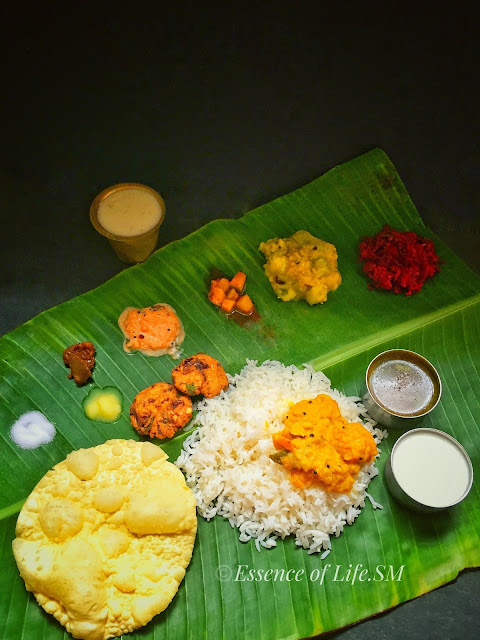
Traditionally called as Vazhaiyilai Virundhu in Tamil, the elaborate vegetarian meal is served in a Banana Leaf, Thalai Vazhai Ilai (The tip portion of a Banana Leaf). Serving a meal in a Banana Leaf is quite synonymous to South Indian Culture, which imparts the health benefits in a disguise. Serving food in a Banana Leaf is quite traditional, but etiquette plays a major role, how a Banana Leaf is placed in front of the person who eats, serving a traditional meal, where and how a side dish is placed in a banana leaf all matters a lot. Mainly considering the ease of the person who eats, the small or the tapering part of a Banana Leaf should be at the left hand side.
Right from a pinch of Salt to Dessert, comes in between a long list of traditional items which can be served to suit your palate. The top portion of the Banana Leaf is segregated for Appalam, Pazham, Snacks and a long list of various Side Dishes. The lower portion of the Banana Leaf is used to serve Rice and Curries and finally, Dessert(Payasam/Pradhaman) is also served in the lower portion.
Start serving with a pinch of Salt, then a Banana & Pappadam at the left end of the Banana Leaf. Serve a Sweet or Snacks like Vadais or Vazhakka Fries. Food served at the left end tends to be mostly pickles/condiments which are served in very small portions. Followed by Pachadi a little bit of more portion compared to condiments. When serving for a Tamil New Year Sweet Pachadi prepared with Raw Mango is a must-serve dish. Then comes Thayir Pachadi, Thogayal, Avial, Koottu, Poriyal etc., slightly larger in serving quantity.
Once the side dishes are served, serve the Rice. Steam cooked Raw Rice/Par-boiled Rice is served in a Vazhayilai Virundhu. First course of Rice Starts with Mashed Paruppu with a drizzle of Ghee, then comes Sambar, followed by Vatha Kuzhambu/Puli Kuzhambu/Mor Kuzhambu, the next round of serving is followed by Rasam, Veppampoo Rasam/Neem flower Rasam is one of the traditional rasams prepared for Tamil New Year and finally finish off the last course of Rice with Curd/Yogurt/Buttermilk. The list and dishes can be lengthened and elaborated to suit your palate and region. Once the Rice is finished, Dessert like Payasam/Pradhaman is served in the Banana Leaf or in a cup.
Finally, Paan/Betel Leaves(Vetrilai) are served with Areca Nut/Betel Nut(Paakku), smeared with a pinch of Lime(Sunnambu) wrapped and chewed after a wholesome meal. Serving Vetrilai Pakku is considered to be auspicious and also a tradition followed in Tamil Culture. It aids digestion, cleanses the mouth and has innumerable health benefits. The whole lot of meal washed of with ease and devoured with contentedness.
This year I thought of sharing a Lunch Menu unique to Tamil New Year with traditional Tamil style Sambar, Rasam, Pachadi, Kootu, Poriyal, Vadai and Payasam served in a Vazhaiyilai(Banana Leaf). Though a traditional Tamil New Year Lunch Menu consists of dishes with 6 different taste like Sweet (Inippu), Salty (Uvarppu), Bitter (Kasappu), Spicy(Kaarppu), Sour (Pulippu), Umami (Thuvarppu). Generally, Neem Flower & Raw Mango is a must have ingredient while cooking for a Tamil New Year Lunch. Raw Mango Pachadi and Neem Flower Rasam is commonly found in a Tamil New Year Lunch Menu. Generally while cooking for a Virundhu/Sadhya the menu doesn't include Onion or Garlic.
![]() |
| TAMIL NEW YEAR LUNCH MENU - TAMIZH PUTHANDU VIRUNDHU |
Right from a pinch of Salt to Dessert, comes in between a long list of traditional items which can be served to suit your palate. The top portion of the Banana Leaf is segregated for Appalam, Pazham, Snacks and a long list of various Side Dishes. The lower portion of the Banana Leaf is used to serve Rice and Curries and finally, Dessert(Payasam/Pradhaman) is also served in the lower portion.
Start serving with a pinch of Salt, then a Banana & Pappadam at the left end of the Banana Leaf. Serve a Sweet or Snacks like Vadais or Vazhakka Fries. Food served at the left end tends to be mostly pickles/condiments which are served in very small portions. Followed by Pachadi a little bit of more portion compared to condiments. When serving for a Tamil New Year Sweet Pachadi prepared with Raw Mango is a must-serve dish. Then comes Thayir Pachadi, Thogayal, Avial, Koottu, Poriyal etc., slightly larger in serving quantity.
Once the side dishes are served, serve the Rice. Steam cooked Raw Rice/Par-boiled Rice is served in a Vazhayilai Virundhu. First course of Rice Starts with Mashed Paruppu with a drizzle of Ghee, then comes Sambar, followed by Vatha Kuzhambu/Puli Kuzhambu/Mor Kuzhambu, the next round of serving is followed by Rasam, Veppampoo Rasam/Neem flower Rasam is one of the traditional rasams prepared for Tamil New Year and finally finish off the last course of Rice with Curd/Yogurt/Buttermilk. The list and dishes can be lengthened and elaborated to suit your palate and region. Once the Rice is finished, Dessert like Payasam/Pradhaman is served in the Banana Leaf or in a cup.
Finally, Paan/Betel Leaves(Vetrilai) are served with Areca Nut/Betel Nut(Paakku), smeared with a pinch of Lime(Sunnambu) wrapped and chewed after a wholesome meal. Serving Vetrilai Pakku is considered to be auspicious and also a tradition followed in Tamil Culture. It aids digestion, cleanses the mouth and has innumerable health benefits. The whole lot of meal washed of with ease and devoured with contentedness.
This year I thought of sharing a Lunch Menu unique to Tamil New Year with traditional Tamil style Sambar, Rasam, Pachadi, Kootu, Poriyal, Vadai and Payasam served in a Vazhaiyilai(Banana Leaf). Though a traditional Tamil New Year Lunch Menu consists of dishes with 6 different taste like Sweet (Inippu), Salty (Uvarppu), Bitter (Kasappu), Spicy(Kaarppu), Sour (Pulippu), Umami (Thuvarppu). Generally, Neem Flower & Raw Mango is a must have ingredient while cooking for a Tamil New Year Lunch. Raw Mango Pachadi and Neem Flower Rasam is commonly found in a Tamil New Year Lunch Menu. Generally while cooking for a Virundhu/Sadhya the menu doesn't include Onion or Garlic.
![]() |
| TAMIL NEW YEAR LUNCH MENU - TAMIZH PUTHANDU VIRUNDHU |
This Tamil New Year Lunch Menu/Vazhaiyilai Virundhu Menu consists of :
- Appalam
- Paruppu Vadai
- Lemon Pickle
- Sweet Mango Pachadi
- Carrot Thayir Pachadi
- Pasi Paruppu Kootu
- Beetroot Poriyal
- Par-boiled Rice
- Ghee
- Uppu Paruppu
- Sambar
- Tomato Rasam
- Curd
- Javvarisi/Sago Payasam
APPALAM/PAPPADAM
To start with - serve Appalam at the left hand corner of the Banana Leaf. Crispy & Crunchy deep fried Appalams tastes great with Rice.![]() |
| APPALAM |
BANANA
Serve a Banana in the Banana Leaf. Choice of a regional variety of Banana is usually served in a Banana Leaf Virundhu.![]() |
| BANANA |
SWEETS
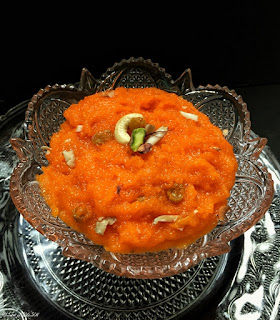
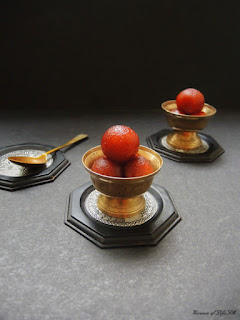
Some serve Sweets like Kesari, Sweet Pongal, Gulab Jamun, Ladoo, Badusha, Mysorepak, Sweet Boli in the Banana Leaf for a Virundhu. Serve your choice of sweet/Sarkkarai Pongal in the left hand corner of the Banana Leaf.
|
|
|
For more INDIAN SWEETS RECIPES, Click here...
MAIN COURSE : RICE
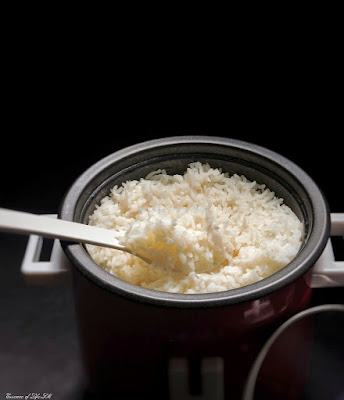
The quintessential of a Vazhaiyilai Virundhu is Rice. Rice cooked with Raw Rice/Par-boiled Rice is served in a Virundhu. Feel free to serve the available variety of rice in your region for your Vazhaiyilai Virundhu.
![]() |
Par Boiled Rice |
DEEP FRIED SNACKS
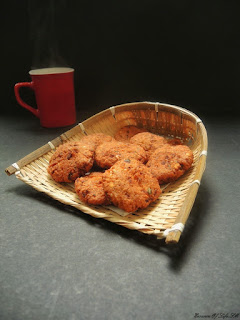
Serve deep fried snacks like Vadais or Vegetable fritters/Varuvals of your choice can be served in a Vazhaiyilai Virundhu.
|
|
|
|
|
|
|
|
|
|
For more SNACKS & SAVOURIES, Click here...
CURRIES
Next comes the Curries to be mixed and eaten along with the Rice. As a first serving for Rice, some serve Mashed Paruppu along with a drizzle of Ghee, followed by traditionally cooked Sambar prepared with local vegetables. Some even serve Curries like Mor Kulambu/Vatha Kulambu/Puli Kulambu as another serving of Curry for Rice. then comes the Rasam, a simple tangy & spicy broth served mainly to aid digestion and finally, Curd/Yoghurt or Neer Moru is served to finish off the Rice.
MASHED PARUPPU WITH HOME-MADE GHEE
A simple mashed Paruppu served with a drizzle of melted Ghee to start the first course of a meal.![]() |
| Homemade Ghee |
![]() |
| Uppu Paruppu |
SAMBAR
A quintessential Curry for a Vazhaiyilai Virundhu is Sambar prepared with Tuvar Dhal and locally available vegetables in regional style. The addition of freshly roasted and ground Sambar Masala makes this Sambar a wonderful combination with Rice.![]() |
| Sambar |
MOR KUZHAMBU/VATHA KUZHAMBU/PULI KUZHAMBU
Some serve Mor Kuzhambu, a curry prepared with Vegetables in a Curd/Yogurt & ground Coconut base, tempered with mild spices. Even Vatha Kuzhambu/Puli Kuzhambu, a spicy & tangy curry prepared with various vegetables can also be served.
|
|
RASAM
Next comes the humble Rasam. A tangy and mildly spiced broth/soup specially prepared to aid digestion. A variety and combination of Rasam Recipes are prevalent in South India that we are spoilt by choices when it comes to choosing a Rasam.
|
|
|
|
|
|
|
For more RASAM RECIPES, Click here...
SIDE DISHES
PICKLES/CONDIMENTS
Freshly prepared Pickles like Instant Mango Pickle, Lemon Pickle, Gooseberry Pickle, Avakkai Urugai, Mixed Vegetable Urugai can be served in Vazhaiyilai Virundhu to suit your taste, preference and availability.
|
|
|
|
|
|
|
|
THOGAYAL/THUVAYAL
Thogayal/Thuvayal is a kind of thick & coarse Chutney which can be mixed along with Rice or eaten as an accompaniment.
|
|
|
|
PACHADI
This is a simple condiment type of a side dish prepared with vegetables/fruits like Cucumber, Raw Mango, Carrot, Beetroot, Bitter Gourd, Pineapple. Sweet Mango Pachadi prepared with Raw Mango is a must have dish in a Tamil New Year Lunch Menu. Another variation of Pachadi prepared with Curd/Yogurt is also served in a Vazhaiyilai Virundhu.
|
|
|
PORIYAL/VARUVAL/VATHAKKAL/SUNDAL
Lets, take a brief look at the long list of side dishes served in the Banana Leaf during a Vazhailyilai Virundhu.
Stir-fried vegetables called Poriyal which has a hint of Coconut in stir fried vegetables, Varuval - Vegetables deep fried along with Spices, Vathakkal - Vegetables shallow fried with Spices, Sundal - a mild stir fry prepared with Legumes/Lentils seasoned with mild spices is served as one of the side dishes in a Vazhaiyilai Virundhu.
|
|
|
|
|
|
|
|
|
|
|
|
|
|
KOOTU
Kootu is a kind of a side dish cooked with a combination of one or two vegetable along with Dhal like Tuvar Dhal/Bengal Gram Dhal/Moong Dhal with the addition of Coconut, spices and tempered which makes this dish nutritious & flavour filled.
|
|
|
|
|
AVIAL
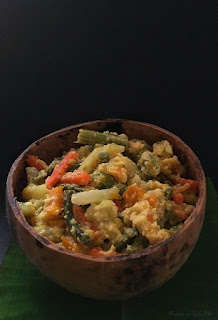
Avial is a side dish prepared with a combination of Native Vegetables cooked along with Coconut, Curd/Yogurt & Spices. The addition of fresh Coconut Oil and Curry Leaves add an extra note of flavour of tatse to this humble Avial.
![]() |
| Avial |
CURD/BUTTERMILK
|
|
PAYASAM & PRADHAMAN
Authentic Desserts called Payasam is served in a Banana Leaf. And this comes as the final course in a Vazhaiyilai Virundhu. Payasam is a dessert or traditional sweet prepared with Cow Milk & Sugar/Coconut Milk & Jaggery. The base ingredients of the Payasam mostly sticks on to the authenticity or try a hand with your whims and fancies. Serve Payasam as a final course of the meal in the lower portion of the Banana Leaf(if you can devour it right out of the Banana Leaf) or simply serve it in a cup.PRADHAMAN :
|
|
|
|
|
|
PAYASAM :
|
|
|
|
|
|
KHEER/PONGAL :
|
|
|
|
|
|
I have tried to cover at least a few main stream dishes which can be served in a Vazhaiyilai Virundhu. A complete and elaborate meal to commemorate Tamizh Puthandu.
Click on to the Pictures for Recipes.
Along with the Brightness of the Sunshine
Sprinkling its golden showers,
Let this New Year bring all Prosperity & Happiness!
And Let us Celebrate the Season with Good Food.
"Iniya Tamizh Puthandu Nalvazhthukkal."
SM
Search Essence of Life - Food
I Me Myself
Essence of Life - Food is all about daily cooking with a simple sense of taste and health. It is all about food. Not a day goes by without eating for most of us, so what we eat matters on the whole. Food in the mode of goodness increases the duration of life, purifies one's existence, and gives strength, health, happiness, and satisfaction. Above all ingredients, the most vital one in my kitchen is love.
Sm @ Essence of Life - FoodPopular Posts
Labels
AROUND THE WORLD
BAKING
BEVERAGES
BIRIYANI & PULAO
BREAKFAST
CURRIES
DESSERTS
FROM GODS OWN COUNTRY
From My Family's Kitchen - Heirloom Recipes
GLOSSARY
HOW TO...
KERALA PALAHARAM
KONGU CUISINE
KUIH MUIH
MALAYSIAN CUISINE
MIDDLE EASTERN CUISINE
Manvasanai - Flavours from Tamil Soil
PICKLES
RICE DISHES
ROTIS
SADHYA
SNACKS & SAVOURIES
SOUPS
SPICE POWDERS
TIFFIN ITEMS
VIRUNDHU
WINES
eBook