
The Underrated Tapioca: A Root with Global Appeal
Tapioca is often underrated but loved by many, particularly in Kerala.This humble root has earned its place in kitchens across regions, from Malaysia to Thailand, and even stretches its popularity across the Caribbean and Latin American cuisines.
Tapioca (or Cassava) is one of the oldest domesticated plants? It has been cultivated for over 120,000 years and has a fascinating migration story. Originally from South America, it traveled across the globe with Portuguese and Spanish sailors, reaching places like Africa, Europe, and eventually, Asia.
Did You Know?
In the late 19th century, South India faced a severe famine, and during this crisis, the King of Thiruvithangoor in Kerala imported Tapioca from Sri Lanka. It was introduced to India by Portuguese sailors aboard ships. The name Kappa Kizhangu (or Kappal Kizhangu) in Malayalam and Tamil translates to "Ship Root," where Kappal means "Ship" and Kizhangu means "Root."
Discover the Versatility of Tapioca
Locally in Malaysia, fresh Tapiocas are sold on roadsides, often referred to as Ubi Kayu, freshly harvested from nearby farms. These roots are known for their starchy consistency and perfect texture when cooked, making them ideal for a variety of dishes. I’m always amazed by the perfectly cooked Tapiocas available in my area – they truly elevate every dish they’re added to.
Did You Know? Whether you call it Maravalli, Kappa, Kuchi Kizhangu, Poola Kizhangu or Mara Cheeni in South Indian languages, this tuberous root is rich in carbohydrates and low in fat.
Popular Tapioca Uses:
- Stir-fries
- Curries
- Delectable desserts
- Tapioca Flour for baking and cooking
- Tapioca Pearls for beverages and other culinary creations
Tapioca is a versatile ingredient, often used in both sweet and savoury recipes, making it a great pantry staple. It’s important to note that Tapioca must be cooked before eating due to its naturally occurring toxins.
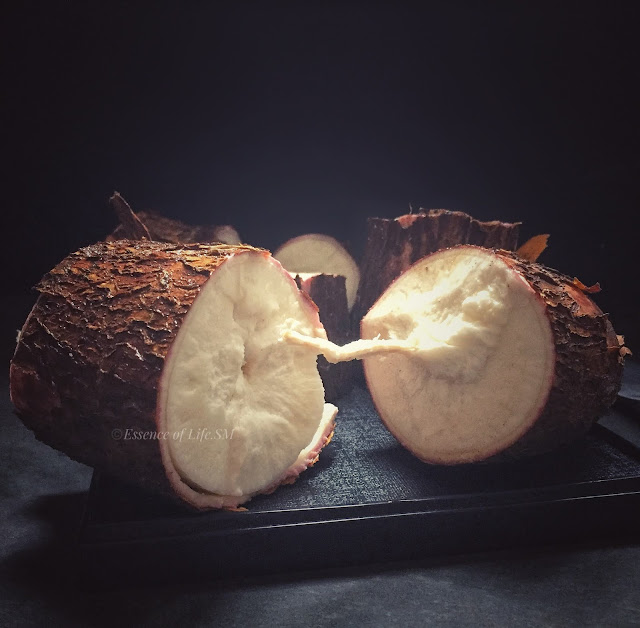 |
| Raw Tapioca Chunks Ready for Peeling and Cleaning – First Step to Perfectly Cooked Tapioca. |
My Father's Humorous Tale: The Origins of Tapioca's Name
Tapioca, or Kappa as it's known locally, comes with a funny tale that my father loves to share, filled with his signature wit. He often recounts how, back in the British era, an Englishman was wandering through Kerala when he spotted a native digging the soil. Naturally, curious, the Englishman asked what he was doing. The native, in his Malayalam dialect, replied, “Thappi Nokkua,” meaning he was digging & searching (for Maravalli). Of course, the Englishman couldn’t understand a word, but he waited patiently as the native unearthed the root. The Englishman, hearing something like "Thappinokkua," assumed that was the name of the root, and thus, Tapioca was born.
This is just one of the many amusing stories my father has about the English names for local foods like Bird’s Eye Chilies, Coconut, Groundnut, and Jackfruit. Maybe these anecdotes were popular in their time, or perhaps it was just my father's creative way of teaching us English names for everyday items. Whatever the case, his stories always had us laughing! Tapioca, however, has long been an essential ingredient in Kerala cuisine. It's not just a food, it's part of the culture!
Tapioca: The Heart of Kerala Cuisine
Tapioca holds a special place in every Malayalee’s heart and home. Considered a staple food of Kerala, Kappa has earned its place in nearly every traditional meal. From the famous Kappa and Meen Curry (tapioca with fish curry) to Kappa Puzhukku (mashed tapioca), or Kappa Biriyani, this humble root has been a beloved dish for generations.
One of the simplest yet most comforting ways to enjoy Kappa is with Pounded Shallots & Chillies Chutney (Mulagu Chalichathu). You can also savour it steamed as Kappa Puzhungiyathu with Spicy Fish Curry - a Kerala favourite or the simplest sautéed with spices in Kappa Ularthiyathu. But if you're craving something truly extraordinary, Kappa Biriyani is the ultimate indulgence. The flavourful combination of tapioca and spices is nothing short of heavenly.
If you're new to tapioca, it's time to experience this versatile root that has become a cherished part of Kerala's food tradition. Kappa isn't just food; it's a symbol of comfort and culture.
Ready to try it for yourself? Check out for more delicious Tapioca recipes here!
Tapioca: A Staple with Deep Family Roots
Tapioca has an inseparable connection with every Malayalee—it’s more than just food; it’s part of the family. In fact, it’s a staple food in nearly every Kerala home, with a rich history tied to our culture and heritage. One story that always comes to mind is from the 1930s when my husband’s grandparents survived a devastating flood (possibly the Great Flood of 1924). For nearly three weeks, they were cut off from food and water, yet they managed to survive by relying solely on raw tapioca, which was their only available food source. It’s remarkable how this humble root has stood the test of time, feeding families even in the most challenging circumstances.
Growing Tapioca at Home: A Tradition Passed Down
Tapioca has always been an integral part of our family’s life. My parents made sure to plant a fresh batch of tapioca in the backyard every year. Steamed tapiocas, soft and starchy, were often served as a teatime snack at my grandmother's place. There’s something comforting about enjoying them with Mulagu Chalichathu (pounded shallots and chillies chutney) or with a rich Fish Curry. These simple yet delicious pairings were the epitome of comfort food in our home.
Apart from the classic steamed tapioca, this versatile root can be used to prepare a variety of dishes: Kappa Ularthiyathu (stir-fried tapioca), Kappa Puzhukku (mashed tapioca), Kappa Biriyani, Tapioca Chips, Tapioca Murukku and Tapioca Vadais. It even makes its way into sweet treats like Tapioca Kuihs, Bibingka, and Montad Chuame (tapioca in coconut milk). The possibilities with tapioca are endless, and each dish has a unique way of celebrating this staple root.
The Importance of Proper Preparation: Removing Toxins from Tapioca
While tapioca is a nutritional powerhouse, it’s important to remember that cassava/ tapioca contains cyanogenic glucosides, which are toxic if consumed raw. These compounds can release cyanide when the root is eaten uncooked.
To safely prepare tapioca, always follow these steps:
- Peel the Tapioca: The skin contains the harmful toxins, so peeling is essential.
- Soak in Water: Soak the peeled tapioca for several hours or overnight to help remove residual toxins.
- Discard the Water: After soaking, always discard the water used for soaking or cooking the tapioca.
Once prepare & cooked correctly, tapioca is completely safe to eat and can be a great substitute for gluten, grains, and nuts—making it an ideal food for those with allergies or dietary restrictions. The root should never be eaten raw, regardless of how much preparation has been done.
How to Clean and Cook Tapioca (Cassava/Yuca)
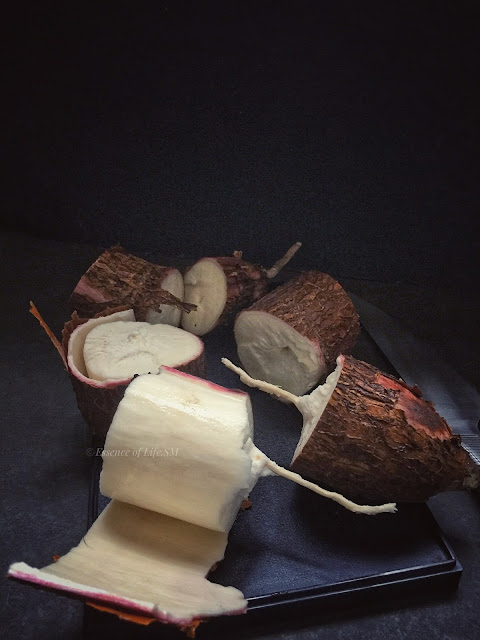
Tapioca Root with Outer Skin Partially Peeled – Essential Step in Cooking Tapioca.
Tapioca, also known as Cassava or Yuca, is a versatile root vegetable that is a staple in many cuisines. Whether you’re preparing it for a simple steamed dish or a more elaborate recipe like Kappa Puzhukku or Kappa Biriyani, knowing how to properly clean and store tapioca is essential. Here’s everything you need to know to get the best out of this delicious root!
How to Select the Best Tapioca/Cassava
When shopping for tapioca, look for roots that are:
- Firm and Free from Blemishes: Choose roots that are solid and without any soft spots or cracks.
- Fresh Smell: A good tapioca root should have a clean, earthy smell. If it smells off or musty, it might be spoiled.
- Snowy White Centre: When you cut open a tapioca root, the flesh should be white and fresh, not discolored. Any black specks or lines are signs of decay.
- No Dryness: The root should not appear dried-out or shriveled. A healthy root should feel moist to the touch.
Pro Tip: To test the quality of the root, break off a small piece from the end of the tapioca. If you see black spots or discoloration in the flesh, discard it. Rotten tapioca will have soft, brown spots and an unpleasant, putrid smell.
How to Store Tapioca/Cassava for Maximum Freshness
Proper storage ensures that your tapioca stays fresh and ready to use. Here’s how to store it at different stages:
- Unpeeled Tapioca/Cassava: Store unpeeled roots in a cool, dry place like your pantry. If you want to extend its shelf life, you can refrigerate them for up to a week.
- Peeled Tapioca/Cassava: Once peeled, store the tapioca in a container covered with water. Change the water every two days to keep it fresh. It can be kept in the refrigerator for 2-3 weeks.
- Freezing Tapioca: If you can’t find fresh tapioca often, you can freeze it. Just peel, chop, and store in an airtight container or bag. Frozen tapioca can last for about 3 months.
Quick Tip: Tapioca is best when it’s eaten fresh, so if you can get your hands on fresh roots, enjoy them right away! Freezing is only recommended if fresh tapioca isn’t easily available in your area.
How to Prepare Tapioca (Cassava/Yuca) for Cooking
Tapioca (or Cassava / Yuca) is a delicious, versatile root that requires proper preparation before cooking. Follow these simple steps to ensure your tapioca is ready to use in a variety of dishes, from Kappa Puzhukku to Kappa Biriyani.
 |
| Peeled Tapioca Chunk with Knife – Preparing Tapioca for Cooking. |
Peel the Tapioca/Cassava
Before using tapioca, you’ll need to peel it. A sharp knife is your best tool for this task, as the skin is thick and has a protective wax coating. A vegetable peeler won't be effective for this type of root. Here’s how to do it:
- Rinse the Tapioca: First, rinse the root thoroughly to remove any dirt.
- Cut Off the Ends: Trim both ends of the tapioca root to make it easier to handle.
- Slice into Segments: Cut the root into 2-3 inch segments. It's easier to peel these smaller portions than the whole root at once.
- Peel the Skin: Using a sharp knife, carefully peel off the skin, revealing the flesh beneath. You can also use your fingers to help pull off the brown skin and the pinkish-white layer underneath.

Fully Peeled and Cut Tapioca Chunks – Ready for Cooking
Remove the Core (Optional)
While this step is optional, removing the core before cooking tapioca can make it more enjoyable to eat, as the core can be tough and woody. Here’s how to remove it:
- Cut the Tapioca Segments in Half: Slice each piece lengthwise through the middle, exposing the core.
- Remove the Woody Core: Cut off the inner corner of each wedge to remove the tough, woody core. Discard it.
Quick Tip: Alternatively, you can cook the tapioca first and then remove the core once it's soft.
Soak the Tapioca (Optional but Recommended)
Soaking tapioca helps remove any residual toxins present in the root and makes it easier to cook. While this step is optional, it’s highly recommended for best results.
- Soak the Tapioca: Place the peeled tapioca pieces in a bowl of water and let them soak for several hours or overnight.
- Discard the Soaking Water: Before cooking, make sure to discard the water used for soaking, as it will contain any remaining toxins.
 |
| Peeled and Cut Tapioca Chunks with Centre Rib Removed – Prepped for Cooking |
Ready for Cooking!
Once your tapioca is peeled, cored, and soaked, it’s now ready to be cooked! You can use it in a variety of delicious dishes like Kappa Puzhukku, Kappa Ularthiyathu, or even make some homemade tapioca chips. You can also store the prepared tapioca for future use.
How to Cook Tapioca (Cassava/Yuca)
Tapioca, known as Cassava or Yuca in various regions, is a versatile root that can be cooked in several ways depending on the desired texture and the recipe you’re preparing. Here are the most common cooking methods, each suited to different tastes and dishes.
 |
| Cooked Tapioca Cubes with Kerala Matta Rice and Fish Curry – A Classic Meal Presentation |
Method 1: Boiling Tapioca in a Saucepan
One of the most popular ways to cook tapioca, this method is perfect for softening the root while retaining a clean taste.
- Peel and Wash: Peel the tapioca and wash it thoroughly until the water runs clear.
- Optional Soak: For better flavour and toxin removal, you can soak the pieces in ample water overnight or for a few hours. Discard the soaking water before cooking.
- Add Water and Seasoning: Place the tapioca pieces in a large saucepan, add enough water to cover, and season with salt and turmeric powder (optional).
- Boil and Simmer: Bring the water to a boil, then reduce the heat to medium-low. Cover and cook until the pieces are soft.
- Drain and Discard Water: Once cooked to your preferred texture (soft, slightly firm, or mushy), drain and discard the cooking water.
Pro Tip: For a traditional taste, serve boiled tapioca with Kerala Matta rice and a spicy fish curry on a banana leaf – a classic Malayalee meal!
Method 2: Cooking Tapioca in a Pressure Cooker
For a quicker cooking option, the pressure cooker method is ideal, particularly for larger pieces or firmer textures.
- Peel and Wash: As before, peel and wash the tapioca thoroughly.
- Optional Soak: Soak the pieces in water for a few hours or overnight for toxin removal. Discard the soaking water before cooking.
- Add Water and Seasoning: Place the tapioca in the pressure cooker with enough water to cover and add salt and turmeric if desired.
- Pressure Cook: Cover with the lid and cook on medium heat until you hear one whistle. Adjust the cooking time based on your desired texture.
- Drain and Discard Water: Once done, drain the cooking water and serve.
Method 3: Steaming Tapioca
- Peel and Cut: Peel the tapioca and cut it into smaller pieces.
- Optional Soak: Soak the pieces in water for a few hours or overnight to remove toxins. Discard the water.
- Steam: Place the tapioca in a steamer basket over boiling water. Cover and steam until soft.
- Serve as Desired: Once soft, remove from the steamer and enjoy.
Why Boil Over Steam? Boiling helps remove toxins, making it a safer option for this root. *Note: Steaming tapioca is less common as it retains toxins, but it’s an option if you’re short on water or prefer a firmer texture.
Method 4: Deep-Frying Tapioca
Deep-fried tapioca is a delicious snack, best known for creating crunchy Tapioca Chips.
- Prepare Thin Slices: Slice or cut the tapioca into thin strips for an even fry.
- Fry in Oil: Deep fry in hot oil until golden and crispy.
- Season to Taste: Sprinkle with salt and red chilli powder for a spicy, addictive treat.
Tapioca Chips: This snack is highly addictive and an all-time favourite among Malayalees!
Method 5: Sun-Dried Tapioca
For long-term storage, tapioca can be sun-dried and rehydrated before cooking.
- Slice and Sun-Dry: After peeling, slice the tapioca into thin pieces and sun-dry until fully dehydrated.
- Store: Once dry, store in an airtight container. Dried tapioca, known as Unnakka Maravalli/Kappa, can last for months.
- Rehydrate and Cook: Soak for 6-8 hours or overnight to soften, then cook as desired.
Should we add Salt & Turmeric while cooking Tapioca/Cassava?
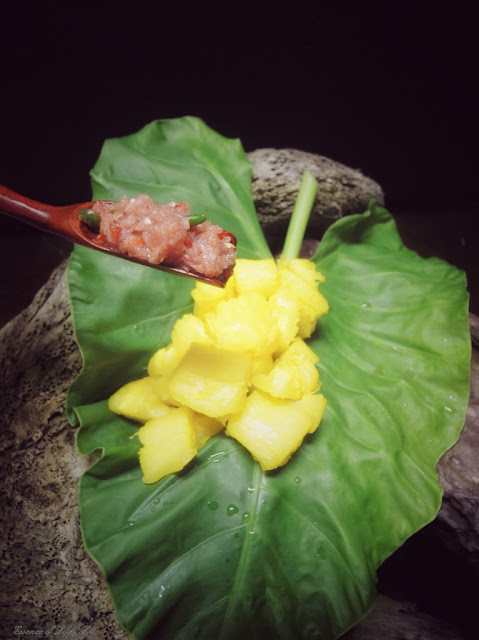
Cooked Tapioca with Mulagu Chalichathu – A Rustic Serving Style with Flavourful Condiments
Should You Add Salt and Turmeric?
Salt and turmeric are common additions when cooking tapioca for savoury dishes:
- Salt: Enhances flavour and makes it easier to infuse the tapioca with seasoning.
- Turmeric: Optional but adds a slight yellow tint and acts as a natural antibacterial agent. Ideal if you're using tapioca in a curry or spicy dish.
Serving Suggestion: Try cooked tapioca with Mulagu Chalichathu, a tangy, spicy condiment made from shallots, bird’s eye chillies, tamarind, salt, and coconut oil. It’s a rustic and flavourful pairing!
Storing Cooked Tapioca
In the Refrigerator:
Once you’ve cooked your tapioca, store any leftovers in the refrigerator. They’ll keep well for about 4-5 days in an airtight container. This is a great option if you're meal prepping or just want to have some ready to use for your next dish!
In the Freezer:
Cooked tapioca can be stored in the freezer for about 1 to 2 months. To ensure it stays fresh:
- Cool the cooked tapioca completely before freezing.
- Store in an airtight container or freezer-safe bag, removing as much air as possible to prevent freezer burn.
- Label the container with the date so you know how long it has been stored.
When you’re ready to use it, simply thaw in the refrigerator or reheat directly from frozen, depending on your recipe.


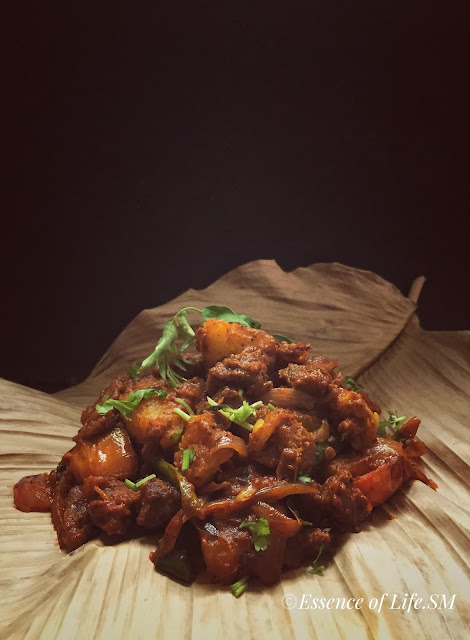


*Food Safety Tip: How to Safely Prepare Tapioca
Tapioca, like other root vegetables, naturally contains cyanogenic glycosides, compounds that can release hydrogen cyanide when consumed raw. While the amount of cyanide in tapioca is minimal, it is essential to handle it properly to ensure it's safe for consumption.
Follow these steps to reduce any risk and safely prepare tapioca:
- Peel and Wash Thoroughly: Start by peeling the tapioca roots. This step is crucial, as the skin contains the highest concentration of toxins. After peeling, wash the tapioca under running water to remove any residual toxins.
- Soak Overnight: For extra precaution, soak the peeled tapioca in water overnight. This helps leach out any remaining toxins. After soaking, discard the water.
- Rinse Again: Give the tapioca another good rinse before cooking. This step ensures that any residual toxins are washed away.
- Cook Properly: When cooking tapioca, ensure there is enough water to cover the roots. Once cooked, discard the water. This ensures that any residual toxins are eliminated in the cooking process.
By following these steps, you can safely enjoy tapioca and its many delicious preparations without worrying about any harmful toxins.
*Why Does Tapioca Contain Cyanide?
Tapioca contains cyanogenic glycosides, which are natural compounds found in many plants. When tapioca is cut or processed, these compounds break down into hydrogen cyanide. However, the cooking and soaking process significantly reduces the cyanide content, making it safe to consume.
So, as long as you follow these simple food safety tips, you can enjoy tapioca without concern!


