Essence of Life - Food
  • Home
  • Download
  • Social
  • Features
    • Lifestyle
    • Sports Group
      • Category 1
      • Category 2
      • Category 3
      • Category 4
      • Category 5
    • Sub Menu 3
    • Sub Menu 4
  • Contact Us
Close-up of Ela Ada, a traditional Kerala sweet, wrapped in banana leaf, with a golden jaggery-coconut filling.

Ela Ada - A Traditional Kerala Delicacy Wrapped in Banana Leaf


Ela Ada: A Sweet Connection Between Kerala and Malaysia

A Serendipitous Discovery

    While writing this post on Ela Ada—a beloved traditional sweet from Kerala—I stumbled upon an intriguing discovery. It was one of those moments where the culinary world unexpectedly reveals its shared roots.

Malay Delicacies and an Unexpected Surprise

    Yesterday, our kind neighbour brought over a delightful array of Malay delicacies as part of their Buka Puasa (fast-breaking) dishes. Among the spread were Nasi Kuning prepared with glutinous rice, Kari Kambing (Mutton Curry), Ketupat, and a fascinating Kuih (sweet).

For a wide range of Kuih Muih, explore the link...

    The aroma of these dishes was enchanting, but what particularly caught my attention was the kuih, which carried a wonderful scent from the steamed banana leaves. As I carefully unwrapped the artistically folded banana leaf, I was greeted with a sweet that looked strikingly similar to Kerala's own Ela Ada. However, there was a slight twist—the kuih was made with a combination of black and white glutinous rice powder, and the filling consisted of coconut and Gula Melaka (palm sugar).

Kuih Koci Gula Kelapa: A Taste of Malaysia

    Even before tasting it, I instinctively knew it would remind me of Ela Ada, and my hunch was spot on. Curious to learn more, I turned to the internet and discovered that this sweet is known as Kuih Koci Gula Kelapa.

Culinary Connections: Kochi and Kuih Koci

    The coincidence didn’t end there—‘Koci’ reminded me of Kochi, a city in Kerala. Could it be that Kuih Koci has some connection to Kochi? The similarity in names and the shared ingredients made me wonder about the historical and cultural links between Malay and Kerala cuisines.

Portuguese Influence in Malay and Kerala Cuisines

    Malay cuisine, like that of Kerala, has been significantly influenced by Portuguese colonial history. Kochi, a city with a rich past of trade and cultural exchanges, shares this legacy. It’s fascinating to think about how food travels, evolves, and bridges cultures across time and geography.


Ela Ada vs. Kuih Koci: A Cross-Cultural Culinary Delight

    While Ela Ada and Kuih Koci share similarities, they each retain their distinct regional identities. Kuih Koci is a staple in Malay cuisine, often enjoyed during festive occasions. The use of glutinous rice gives Kuih Koci a sticky, chewy texture, which is quite different from the softer, more delicate texture of Ela Ada.

Contrast in Ingredients and Flavours

    The filling of Kuih Koci, made with Gula Melaka, has a deeper, more caramel-like sweetness compared to the jaggery used in Ela Ada. The contrast in ingredients and preparation techniques highlights the unique characteristics of each dish, while also showcasing the shared cultural heritage that runs through them.

The Influence of Portuguese Cuisine

A Shared Culinary Heritage

    Both Kerala and Malaysia have a rich history of trade and cultural exchanges, particularly with the Portuguese. The Portuguese influence is evident in many traditional dishes from both regions. For instance, the use of coconut and palm sugar is a common thread in many sweets across Kerala and Malaysia.

Could Kuih Koci Have Roots from Cochin/Kochi?

    The possibility that Kuih Koci might have some historical connection to Cochin/Kochi (Kerala) is an exciting thought. It’s a testament to how food not only nourishes the body but also serves as a link to our shared history and cultural evolution.


Ela Ada, Kerala's traditional steamed rice dumpling with a coconut and jaggery filling, served on banana leaves.

Ela Ada - Kerala's Nostalgic Sweet Wrapped in Tradition


Ela Ada: A Traditional Kerala Delicacy

    Ela Ada, also known as Ilayada, is a classic Kerala Palaharam (delicacy) that holds a special place in South Indian cuisine. This traditional sweet is often compared to Kozhukatta due to its similar ingredients and preparation method. However, there is one key difference—there's no need to roll the rice dough into balls. Instead, the rice dough is spread out over a fresh banana leaf, a generous spoonful of coconut-jaggery filling is placed in the centre, and the leaf is gently folded over. This simple folding technique seals the delicious filling inside the dough, ready for steaming.

    Ela Ada, colloquially referred to as Nadan Palaharam, is a famous Kerala sweet loved for its taste and health benefits. The filling is made with a combination of grated coconut and jaggery syrup, beautifully flavoured with cardamom and dry ginger powder. While traditionally made with rice flour, Ela Ada can also be prepared with wheat flour, offering a slightly different texture and flavour.

    One of the reasons Ela Ada is considered a healthy delicacy is because it is steam-cooked, preserving the nutrients and adding to its appeal as a wholesome snack. The process of steaming in banana leaves infuses the rice dough with a subtle, earthy aroma that enhances the overall flavour of the sweet.

    Whenever I make Kozhukatta, I set aside some ingredients to whip up a few Ela Adas. What I love most about this Kerala Palaharam is the heavenly aroma of the steamed banana leaves mingling with the rich, sweet filling. Ela Ada is traditionally served as a tea-time snack, but it can also be enjoyed as part of a hearty breakfast.

    In summary, Ela Ada is more than just a sweet treat; it's a piece of Kerala's rich culinary heritage, offering a taste that is both nostalgic and satisfying. Whether you're enjoying it with a cup of tea or as a breakfast item, Ela Ada is a delightful way to experience the essence of Kerala's traditional cuisine.


Savour the Flavours of Kerala:Explore More Authentic Kerala Nadan Palaharam Here!


Cuisine - Kerala (India)
Recipe - Snack
Difficulty - Medium
Yields - 10 -15 Ela Ada
Author - SM

Preparation Time - 20 - 30 Minute
Cooking Time - 30 - 45 Minutes.
 

Taste the Flavours of Kerala: Find More Recipes from God’s Own Country – Kerala, here!


"Ela Ada/Ilayada – A Step-by-Step Guide to Kerala’s Iconic Nadan Palaharam"

 
Ela Ada, a Kerala delicacy, split open to reveal the luscious coconut and jaggery filling inside, served on a banana leaf.

A Tempting Bite of Ela Ada with Jaggery-Coconut Filling


Kerala’s Best-Kept Secret: How to Make Authentic Ela Ada (Ilayada)

Prepare this traditional Kerala delicacy at home with this easy-to-follow recipe. Ela Ada or Ilayada is a healthy and tasty treat made with rice flour, coconut, and jaggery, all wrapped in fragrant banana leaves. Follow the instructions below to create this delicious Kerala sweet that’s perfect for tea time or as a breakfast item.


Ingredients for Ela Ada/Ilayada

For the Dough:

Rice Flour – 2 Cups
Coconut Oil – 1 Tablespoon (Optional)
Water – 2 Cups (Approximately)
Salt – To Taste

For the Coconut Filling:

Grated Coconut – 1 ½ Cups
Jaggery – ¾ Cup to 1 Cup (adjust to taste)
Cardamom Pods – 2–3 Pods
Dry Ginger Powder – A Pinch

Method:

Prepare the Coconut Filling

  • Melt the Jaggery: Add ½ cup of water to the jaggery and melt it over low heat.
  • Strain: Once melted, strain the jaggery syrup to remove any impurities.
  • Combine: Pour the melted jaggery over the grated coconut and mix well.
  • Season: Add cardamom and dry ginger powder to the coconut-jaggery mixture.
  • Cook: Cook the mixture on low heat until it dries up, allowing the flavours to meld.
  • Cool: Remove from heat and allow the filling to cool.

Prepare the Ela Ada/Ilayada Dough

  • Boil Water: In a pot, boil 2 cups of water with a pinch of salt and 1 tablespoon of coconut oil (optional).
  • Mix: Gradually pour the boiling water into the rice flour, mixing with a spatula until a soft dough forms.
  • Rest: Allow the dough to rest for 10 minutes until it’s cool enough to handle.
  • Knead: Knead the dough into a smooth, pliable texture. Divide it into equal portions.
  • Prepare Banana Leaves: Cut banana leaves into squares and lightly grease them with coconut oil.
  • Spread Dough: Take a portion of the dough and spread it evenly over the banana leaf.
  • Fill: Place 1 to 1 ½ teaspoons of coconut filling onto the dough.
  • Fold: Fold the banana leaf over the dough, pressing gently to secure the filling inside.

Steam Cooking the Ela Ada/Ilayada

  • Prepare Steamer: Add water to your steamer or Idli Chembu and bring it to a boil.
  • Arrange: Place the prepared Ela Adas on a greased tray or line the tray with a banana leaf. Ensure they are not overcrowded.
  • Steam: Once the steamer is ready, place the tray inside, cover tightly, and steam on low heat for 10-15 minutes or until the Ela Adas are cooked through and no longer sticky.
  • Serve: Remove from the steamer and serve hot or at room temperature.

Cooking Tips & Notes:

  • Rice Flour: You can use ready-made Appam or Idiyappam flour for this recipe. I used the Malaysian brand Babas Idiyappam Flour.
  • Water Ratio: The amount of water required may vary depending on the type of rice flour. Always use boiling water to knead the dough for the best texture.
  • Coconut Oil: Adding coconut oil to the boiling water is optional but helps achieve a perfect dough texture.
  • Jaggery: Adjust the quantity of jaggery according to your sweetness preference. Ensure the coconut absorbs the melted jaggery well before removing it from the heat.
  • Ginger Powder & Cardamom: These spices are optional but add a traditional flavour to the filling. You can also add a teaspoon of ghee to enhance the richness of the filling.
  • Dough Consistency: The dough should be soft and pliable. If it’s too dry, add a little more boiling water. If it’s too sticky, knead in some more rice flour.

A Sweet Journey Through Culinary heritage


    Whether it's the Ela Ada of Kerala or the Kuih Koci Gula Kelapa of Malaysia, these sweets are more than just a treat—they are a reminder of the rich, interconnected histories that define our culinary landscapes. Exploring such connections deepens our appreciation for the food we eat and the stories they carry across generations.

So, the next time you savour a piece of Ela Ada, remember that it’s more than just a sweet—it’s a bite of history.


KONGU CUISINE
KONGU STYLE KADANJA PACHAI PAYARU - MASHED GREEN GRAM


     Rice served with a simple Lentil Curry is always a hit at home.  My husband is an ardent fan of Dhals, Beans & Pulses that anything cooked with these ingredients is devoured silently.  Seeing his contented expression after eating such dishes makes me immensely satisfied & pleased.  He would be happy to eat such dishes daily. Me, on the other hand, is right opposite to this nature and the irony is that even I am asked to add Green Gram/Moong Dhal into my daily diet by my Ayurvedic Physician, but still I always find some excuse to avoid frequenting the dishes.
    These simple mashed Dhal Recipes commonly prepared with Tuvar Dhal, Green Gram, Moong Dhal are perfect for Lunch and goes hand in hand with Rice.  Serve it with a drizzle of Ghee for a wonderful experience.  Mashed Green Gram yields a rich & creamy texture while mixed up with Rice and Ghee, with an added advantage of being nutritious and healthy.  Green Moong Bean & Yellow Moong Dhal can be induced into your daily diet, which is considered to be power packed proteins with loads of medicinal values.
      Summer is especially a period of time where we all try to cool down our body with various methods.  Eating food which cools down your system is one best way to fight the heat.  Green Gram/Moong Dhal is an ingredient which serves best for the purpose.  So try this Coimbatore Style recipe with Green Gram.
      This is a Kongu Style Kandanja Pachai Payaru recipe which I learned from my Maid, Hamsakka.  I have already posted another Kongu style Kadanja Keerai recipe which is also her speciality.  Kadanja Paruppu/Pacha Payar recipes are simple and quick fix recipes. Addition of simple seasonings and Gingelly Oil(Sesame Oil) makes this Kadanja Pacha Payar unique to Kongu Cuisine.


For more Recipes from KONGU CUISINE, Click here...


Cuisine - Kongu Cuisine(South India)
Course - Side Dish
Spice Level - Low
Difficulty - Easy
Serves - 2 -3
Author - SM


Soaking Time - 1 Hour/Overnight
Preparation Time - 5 Minutes
Cooking Time - 15 - 20 Minutes


HOW TO COOK KONGU STYLE KADANJA PACHAI PAYARU - MASHED GREEN GRAM

Green Gram - Pachai Payaru


INGREDIENTS:

Green Moong Bean - 1/2 Cup
Shallots - 7-8 Nos.
Garlic - 2-3 Cloves
Green Chillies - 2 Nos.
Curry Leaves - a Sprig
Cumin Seeds - 1/2 Teaspoon
Gingelly Oil - 1 Tablespoon
Salt - To Taste

METHOD:

  • Clean, Wash & Soak Green Moong Bean for about 1 hour.
  • Once soaked drain and discard the water.
  • Pour in 11/2 Cups of Water to the Green Gram and pressure cook on high flame for 3 Whistles.
  • Reduce the flame to low and cook for another 3-4 Whistles.
  • Switch off the flame and allow the pressure to release.
  • Once cooked, add Salt to the Green Gram and mash it up with a Wooden Churner/Wooden Ladle.
  • Meanwhile, heat Gingelly Oil in a Pan.
  • Splutter Cumin Seeds on a very low flame.
  • Care should be taken not to burn the Cumin Seeds which will alter the taste of the dish.
  • Immediately add roughly chopped Shallots, Garlic Cloves, Green Chillies slit into two and Curry Leaves.
  • Saute it on a medium flame until Shallots turn translucent.
  • Pour in the Mashed Green Gram to the tempering and give a quick stir.
  • Mix it thoroughly using a Wooden Churner/ladle until all the ingredients are mashed and well combined.
  • Switch off the flame.
  • Serve Kongu Style Kadanja Pachai Payaru hot along with steaming hot Rice and a hearty drizzle of Ghee.

For more recipes with BEANS, LENTILS & PULSES, Click here...

NOTES :

  • Soaking Green Gram quickens the cooking time.
  • Soak it for at least 1 hour.  Can soak it overnight too.
  • I have cooked Green Gram in a Pressure Cooker.  Alternatively, it can be cooked in a Saucepan.
  • Green Gram should be slightly overcooked for this recipe.
  • I have mashed the Green Grams with a Wooden Ladle. Alternatively, it can be ground(give it a quick pulse) in a Mixer/Blender/Food Processor.
  • Adjust the number of Green Chillies to suit your spice level.
  • Can use any type of Vegetable oil to cook this mashed Green Gram Recipe.


     Sweet Moong Bean and Sago Soup is a Cantonese Dessert, a traditional Hong Kong Sweet Soup.  A soup which can be easily masqueraded into a mild dessert.  Sago, Pandan Leaves, Dried Orange Peel and Cinnamon, though optional ingredients, present this Dessert Soup with a wholesome South East Asian touch.  And least to mention the Coconut Milk which makes this Sweet Soup even more flavourful.
     This Sweet Moong Bean and Sago Soup are a classic Chinese TONG SUI (which means, Sweet Soups in Cantonese), a cooling(YIN) dessert.  This kind of mild dessert is usually served at the end of a meal.  They are light, refreshing and all the more nutritious.  This particular Dessert/Soup is considered to be a dessert with cooling nature.  Green Moong Dhal has body cooling properties.  This Dessert is great for summer, perfect to rustle up for taking the edge off this scorching heat. This Moong Bean Soup can be served Warm/Cold. But I personally feel this Dessert Soup tastes delicious when served chilled.
     The basic ingredient necessary for this Moong Bean Soup is just the Green Gram, Water and Rock Sugar to sweeten up the dessert.  But the addition of ingredients like Sago Pearls, Gingko Nuts, Lotus Seeds, Candied Winter Melon adds texture and taste to the dessert.  Pandan Leaves, Cinnamon and Dried Orange Peel add a whole lot of flavour into the Moong Bean Soup. I usually prepared with all the three into the Moong Bean Soup.  If you do not prefer the flavours of Cinnamon and Dried Orange Peel skip it in your recipe. Rock Sugar gives a mild sweetness to the soup making it taste mild and comforting. Sago pearls are flavourless on its own but once you add it into desserts like this, it gives the soup a smoother and more interesting texture. It also enhances the appearance of such Dessert Soups.

For more DESSERTS, Click here...


Cuisine - Cantonese, Southeast Asian
Course - Dessert
Difficulty - Easy
Serves - 2-3
Author - SM

Preparation Time - 10 - 15 Minutes
Soaking Time - 3-4 Hours/Overnight
Cooking Time - 30-45 Minutes


SWEET MOONG BEAN & SAGO SOUP WITH COCONUT MILK


INGREDIENTS :

Green Moong Bean - 1/2 Cup
Sago Pearls - 3 Tbspn
Rock Sugar - 1/2 Cup
Pandan Leaves - 2 Nos.
Cinnamon Stick(1" Piece) - 1 No.(Optional)
Dried Orange Peel - 2 Small Pieces (Optional)
Coconut Milk - 11/2 Cups


METHOD :

Cooking the Green Moong Bean :

  • Clean, Wash & Soak Green Moong Bean with enough water for at least 3-4 hours/overnight.
  • Drain and discard the water used for soaking.
  • Add 11/2 Cups of Water to soaked Green Moong Bean along with knotted Pandan Leaves, Cinnamon Stick and Dried Orange Peel. 
  • Cook Green Moong Bean in a Pressure cooker for 3 Whistles on a high flame.  
  • Lower the flame and cook for another 3-4 whistle.
  • Alternatively, Green Moong Bean can be cooked in a Saucepan with enough water.

Cooking Sago Pearls:

  • Boil 11/2 Cups of Water in a Saucepan.
  • Once the water boils, add 3 Tbspns of Sago Pearls and mix well.
  • Bring it to boil again and reduce the flame to medium.
  • Cook without cover for 5 Minutes, stirring occasionally.
  • Switch off the flame, cover the saucepan, let Sago pearls soak for about 10-15 minutes.
  • After soaking for 10 minutes, the Sago Pearls are partially cooked. (semi-translucent with a white spot in the centre).
  • Drain and rinse the Sago Pearls with running water until it is cooled.
  • If you are adding the Sago Pearls into hot Desserts, can use them right away.
  • Rest of the cooking takes place while the Sago Pearls are added into hot desserts.
  • If you are using the Sago Pearls in Cold Desserts, It should be fully cooked.
  • If so, bring another 1 litre of Water to the boil, add in the Sago Pearls.
  • Bring it to boil again and turn off the flame, cover and let it soak for about 8-10 minutes.
  • After soaking the Sago Pearls would have turned fully translucent.
  • Drain and rinse the fully cooked Sago Pearls with running water.

For Sweet Moong Bean & Sago Soup :

  • Once the Green Moong Bean is well cooked, remove the Pandan Leaves, Cinnamon and Dried Orange Peel.
  • Add Rock Sugar along with 1/2 a cup of Water and cook on a low flame until Rock Sugar melts.
  • Add partially cooked Sago Pearls and give a quick stir.
  • Pour in the Coconut Milk and cook on a low flame until it reaches the desired consistency.
  • Switch off the flame.
  • Serve Sweet Moong Bean & Sago Soup Warm/Chilled.

NOTES :

  • If you need a thicker Sweet Moong Bean Soup, slightly mash the Green Moong Beans.
  • Adjust the consistency of the Sweet Moong Bean Soup to suit your preference.
  • Can also add Gingko Nuts/Lotus Seeds to this Green Moong Bean Soup.
  • I have used Rock Sugar in the recipe which yields a mild note of sweetness.
  • Can substitute it with preferred sweeteners.
  • If you are adding Candied Winter Melon into the Dessert Soup, adjust the amount of Rock Sugar accordingly. 
  • Cook Sago Pearls partially/fully depending on when you are adding it into the Dessert Soup.
  • Adding Cinnamon Stick and Dried Orange Peel are purely optional.


MEE GORENG
MEE GORENG MELAYU - FRIED NOODLES MALAY STYLE


     Mee Goreng Melayu/Fried Noodles in Malay Style is one among numerous recipes and styles of Mee Goreng Recipe. It is as versatile as it is spelt, Mi Goreng, Mie Goreng but solely depends on where it originates. This Mee Goreng Melayu Recipe is slightly different from the Hokkien Mee, where they use Dark Soy Sauce as the base.  But in Malay style Mee Goreng Recipe they widely use Sambal(Chilli Paste) along with some Sauces to enhance the flavour. When you are in a mood for simple cooking then this recipe is a wonderful choice.
     A trip to the grocery store is usually incomplete without a pack of Hokkien Mee/Mee Kuning - Yellow Egg Noodles. And when my daughter is back home, I make sure to prepare Mee Goreng/Bihun Recipes. Or at least we end up with Instant Mee Goreng Packets. 
     Mee Kuning/Yellow Noodle - It is usually thick, round and yellow in colour. They are fresh, soft medium sized Egg Noodles.  We can find them at the Asian Grocery Stores in the refrigerated Section or at wet Markets.  Fresh Mee Kuning is prepared with Wheat Flour, Palm Oil & Salt.  I always feel that even the Mee Kuning Packet is Oily. While I was mentioning about this during a random talk, my friend Santhini suggested me to blanch it twice. This way some of the extra fat, coating the Noodle is removed, at least to an extent.
      You can always substitute it with any other dried Noodles variety. Dried Egg Noodles, commonly marketed as Chow Mein Noodles are one best alternative for this Yellow Noodles, even Spaghetti can be used to prepare this Mee Goreng Melayu. Cook the noodles as per the instruction and then use it in the recipe.

For more NOODLES Recipes, Click here...


Cuisine - South-East Asian, Malaysian
Course - Main
Spice Level - Moderate
Difficulty - Medium
Serves - 3-4
Author - SM

Preparation Time - 20-30 Minutes
Cooking Time - 20-30 Minutes


HOW TO COOK MEE GORENG  MELAYU - FRIED NOODLES MALAY STYLE


INGREDIENTS :

Hokkien Noodles/Yellow Egg Noodles - 500 Gms 
Chicken Breast Meat - 1/2 Cup
Eggs - 2 Nos.
Fish Cakes/Soft Tofu - 1/2 Cup
Cabbage - Few Shreds
Carrot - Few Shreds
Garlic - 3 Cloves
Fresh Red Chillies - 1 No.
Sambal Tumis - 2-3 Tbspn
Chicken Stock Powder - 1 Cube
Pepper Powder - 1 Tspn
ABC Sauce/Dark Soy Sauce - 2 Tbspn
Peanut Oil - 3 Tbspn
Salt - To Taste
Sugar - 1 Tspn

To Garnish :


Bean Sprouts - Handful
Sawi(Mustard Greens)/Choy Sum/Bok Choy - Handful
Spring Onions - few


Serving Suggestion :


Lime Wedges
Extra Sambal Tumis
Fried Onions/Bawang Goreng

For SAMBAL TUMIS RECIPE, Click here...


METHOD :

Preparation :
  • Shred the Cabbage and Cut it into thin strips. 
  • Peel, Wash and Cut Carrots into thin strips.
  • In the meantime, heat a small frying pan with Oil and shallow fry the Fish Cakes/Tofu. Keep it aside.
  • Beat the Eggs slightly with a pinch of Salt and Scramble it. Keep it aside.
  • Shallow fry the Chicken Pieces with a pinch of Salt until they are cooked.
  • If using Yellow Noodles, dip them in hot water for a few minutes.  Drain and discard the water.
  • Allow it to drain in a Colander.
  • Finely chop the Garlic Cloves and fresh Red Chillies and keep it aside.

Cooking :
  • Heat Oil in a Wok, Saute finely chopped Garlic CLoves and Red Chillies until garlic turns aromatic.
  • Add Sambal Tumis, Chicken Stock Powder and ABC Sauce/Dark Soy Sauce and give a quick stir.
  • Saute it on a high flame for a few minutes.
  • Add shallow fried Fish Cakes/Tofu, Chicken Pieces and Carrots.
  • Cook this for a while.
  • Add blanched Yellow Noodles and gently mix all the ingredients until well combined. 
  • Mix until all the ingredients and Sauces are well coated to every Noodle strand.
  • Cook on a high flame for about 2-3 MInutes.
  • Finally, add shredded Cabbage, shredded Sawi/Choy Sum, Spring Onions and a handful of Bean Sprouts(Taugeh).
  • Immediately switch off the flame.
  • Serve Mee Goreng Melayu hot along with Bawang Goreng(fried onions), a wedge of Lime and an extra serving of Sambal Tumis.
  • Just before eating squeeze the wedge of Lime.


NOTES :

  • Ensure that the Sambal & Sauce mix is not watery while adding the blanched Noodles, it can make Mee Goreng Melayu Soggy.
  • Adjust the spiciness to suit your spice level.
  • Can substitute Sambal Tumis with fresh Sambal Paste.  Saute it well until fragrant and follow the rest of the steps for the recipe.
  • I have used fresh Yellow Noodles(Mee Kuning) in this Mee Goreng Melayu Recipe.
  • Adding Sugar is purely optional.
  • ABC Sauce(Kicap Manis) on its own gives out a bit of sweetness to the dish. Adjust accordingly.
  • Can also add Prawns instead of Chicken pieces or can use both in your recipe.
VEGGIES - STIR FRY
STIR-FRIED BEAN SPROUTS - TAUGEH GORENG


     Taugeh - Moong Bean Sprout is definitely one of the most commonly used ingredients in South East Asian Cooking. It is widely used in Noodle dishes, you can see these Bean Sprouts/Taugeh lavishly garnished in Mee Goreng Recipes, Fried Bee Hoon(Bihun), Singapore Mee, Char Kuey Teow, Hokkien Mee, etc., or as a simple Stir Fry with Garlic and Chillies, some recipes even go to the extent of adding Dried Fish/Firm Tofu/Scrambled Eggs along with these Bean Sprouts.  Fresh bean Sprouts are rolled into Spring Rolls - the regionally famous Popiah and are used as a garnish for Vietnamese Phở and in numerous Asian Soup Recipes or tossed into Fried Noodle dishes. In Korean Cuisine, the Sprouts are blanched and then seasoned with Sesame Oil, Garlic, Salt and served as Banchan.
      It is one must have ingredient used in the hawker stalls in Malaysia, Singapore, Indonesia, and Thailand. Stir-fried Taugeh is a  common dish that you can find in every economy Rice Stalls, Mamak Shops here in Malaysia. The first time I ate this Taugeh/Sprouted Black Moong Bean Stir fry was at a Mamak Shop. Sprouts these long, awed me though and how they were cooked, retaining the succulence and crunchiness was the nest question.  Then started my trial and error experiments, with few attempts of soggy Taugeh stir-fries, I learned one main technique in South East Asian Cooking, cooking on high heat, briefly.  It fits for ingredients like Asian Greens, Taugeh, Brocolli, Chinese Cabbage, etc.,
     Sprouts, as we all know are power packed with nutrients.  Since childhood, I have seen my mother make Bean Sprouts from Green Moong Bean, Chick Peas, Red Bean, etc., But those sprouts were just-sprouted type.  The kind of Bean sprouts we get in Malaysia are literally long ones, long in the sense they measure upto 1- 11/2 inches in size.  And they are sweet, succulent and has a wonderful crunchy texture if cooked perfectly.  We can also see Bean Sprouts prepared from Black Moong Bean & Soy Bean. they have bigger, droopier heads–which are popular in Korea.
     The best way to eat the freshly sprouted Taugeh is to eat them raw. Cooked Taugeh lose quite a bit of the nutritional values as well as all the enzymes. So the best way is to use it is as a garnish over hot dishes.  I usually stir-in the Taugeh at the final stage while adding it into Singapore Mee/Mee Goreng Recipes. While preparing a Stir-fry cook on a high heat for a brief period of time.  This way Taugeh/bean Sprouts tend to retain their crunchiness, texture and nutritional value.
     Taugeh is considered as a super food that is good for health. Raw Taugeh is full of nutritional value. It contains Vitamins A, C, E, K, and Folate in addition to an assortment of Minerals including Calcium, Magnesium, Phosphorus, Potassium & Manganese
     This recipe is a simple Stir-fry prepared with Taugeh/Moong Bean Sprouts, cooked along with Garlic, Chives, and Bird's-eye Chillies. These wonderful power packed Bean sprouts, take center stage in this quick, flavour filled stir-fry. The addition of just a few ingredients over high heat brings out their sweet succulence.


For more VEGGIES & STIR FRY Recipes, Click here...


Cuisine - Chinese; Southeast Asian
Recipe Type - Stir Fry
Spice Level  - Low
Difficulty - Easy

Serves - 2- 3
Author - SM

Preparation Time - 5 - 10 Minutes
Cooking Time - 5-10 Minutes


 HOW TO COOK STIR-FRIED BEAN SPROUTS - TAUGEH GORENG


VEGGIES - STIR FRY
STIR-FRIED BEAN SPROUTS - TAUGEH GORENG


INGREDIENTS:

Taugeh(Moong Bean Sprouts) - 2 Cups
Garlic - 2 Cloves
Birds-eye Chillies(Red) - 1 No.(Optional)
Chives/Spring Onions - few
Light Soy Sauce - 1 Tbspn
Salt - To Taste
Sugar - a Pinch.
Peanut Oil - 2 Tbspn.


METHOD:

  • Clean, snap-off the tails from Taugeh/Moong Bean Sprouts and rinse it thoroughly.
  • Allow it to drain in a Colander.
  • Heat Oil in a pan over high flame.
  • Add finely chopped Garlic, Bird's-eye Chilly and saute it over a high flame until aromatic(for about 20 seconds).
  • Add Taugeh/Moong Bean Sprouts, Light Soy Sauce, Salt and a pinch of Sugar and give a quick stir.
  • Cook this on a high flame for a minute.
  • Add finely chopped Chives/Spring Onions and cook briefly.
  • Immediately switch off the flame.
  • Serve Taugeh Goreng/stir-fried Bean Sprouts immediately.

NOTES :

  • Cook the ingredients over a high flame for a brief period of time.
  • Taugeh/Moong Bean Sprouts should not be overcooked or turn soggy.
  • Adding Bird's-eye Chilly is purely optional.
  • If you want a less spicy version, add Pepper Powder instead of Chillies.
  • I have used Peanut Oil in this recipe, can substitute it with any other vegetable oil of your choice. 


RAITHAS & SALADS
MOOLI RAITA - YOGURT SALAD WITH RADISH


     Mooli/Radish Raitha is a common Yogurt based condiment served along with  Parathas/Rotis, Biriyanis/Pulaos etc., Raita means Salad and this recipe has Yogurt(Curd) as a base flavour with finely chopped Radish.  Finely chopped Radish gives a crunchiness along with a mild pungency and sweetness from the vegetable.  When combined with creamy chilled Curd makes this simple dish a wonderful side dish for Chapatis, Roti/Parottas and Parathas or can also be served along with dishes like Biriyanis, Puloas.
     Mooli Raitha or Yogurt/Curd Salad prepared with Radish is a quick fix recipe.  Easy to make, quite comforting and tasty. I learnt this recipe from Winnie Aunty. She artistically chopped the Radish in a typical Kerala Style(Kothi Ariyal).  Radish tends to ooze out the water once chopped.  So slightly squeeze out the extra oozed out water before making this Mooli Raitha, otherwise, the Raitha would turn out to be watery.
     Radish is Fibre rich vegetable, low in calorie. It is good for the liver and soothes the stomach. It also acts as a detoxifier. Radishes also help regulate the absorption of sugars into the bloodstream. Eating Radish in raw form has proven health benefits. Converting it into a Juice or eating raw radish in the form of Raita, helps stabilize blood glucose levels.  Can add into Curries or prepare Sambar with Radish.  Mooli/Radish Paratha is one tasty option to add Radish into your menu.


Cuisine - Indian
Recipe - Condiment
Difficulty - Easy
Serves - 3- 4
Author - SM

Preparation Time - 5-10 Minutes


HOW TO MAKE MOOLI RAITA - YOGURT SALAD WITH RADISH


INGREDIENTS:

Radish - 1 Cup
Green Chillies - 1 No.
Cumin Powder - a Pinch
Salt - To Taste
Sugar - a Pinch
Coriander Leaves - few
Curd/Yogurt - 1 Cup


METHOD :

  • Clean and Peel the Radish.
  • Chop Radish into very thin slices & finely chop them
  • Finely chop Green Chillies & Coriander Leaves.
  • Whisk the Curd until smooth, pour it into the chopped Radish and Green Chillies.
  • Add Salt, a pinch of Sugar and mix until well combined.
  • Garnish it with finely chopped Coriander Leaves.
  • Refrigerate the Mooli Raitha until it is served.
  • Serve it along with Chapatis, Roti/Parottas and Parathas/Theplas or along with Biriyanis/Puloas.

NOTES :

  • Finely chopped/grated Radish tends to ooze out water, so slightly squeeze out the extra water from the Vegetable before adding it along with Curd.
  • The Yogurt/Curd should not be sour. Use fresh Curd for the recipe.
  • Refrigerate the curd before mixing it up with Radish.
  • Whisking and refrigerating the Curd will give a good, smooth texture to Mooli Raitha.
  • Adding Sugar to the Mooli Raitha is purely optional.
  • Refrigerate the Mooli Raitha until it is served.
  • Can add a Pinch of Red Chilli Powder for a slightly spicier version of Mooli Raitha.
  • Can also add a pinch of Chaat Masala to add flavour to the Mooli Raitha.


INDIAN BREADS
GUJARATI METHI THEPLA - FENUGREEK LEAVES PARATHA

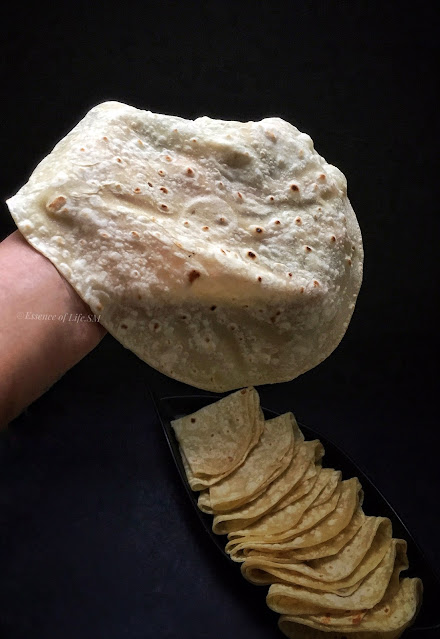
     Methi Thepla is a Gujarati speciality prepared with Whole Wheat Flour, Gram Flour, Fenugreek Leaves and mild spices.  It is a simple Paratha or Indian Bread with an awesome texture and wonderful aroma.  Methi Leaves are the selling point of this Parathas, they impart a smell unique to itself.  Commonly Besan(Gram Flour), Bajra/Jowar Flour is added while preparing Theplas. Add a bit of Curd/Yogurt to knead the dough which will yield you soft Methi Theplas.  But if you are eating these Theplas later/packing it in your lunch box /while travelling avoid adding Gram Flour which will make the Theplas hard.
     You can always buy fresh Methi Leaves from the street vendors who sell Greens/Spinach.  Among the local varieties of Greens, they always have few bunches of Methi Leaves(Menthiya/Venthiya Keerai).  My Mom makes Puli Kuzhambu with Menthiya/Venthaya Keerai.  She always has a patch of these greens in her vegetable garden. She meticulously dries it up and sends me a supply of Kasuri Methi(Dried-fenugreek Leaves) from home.  The dried leaves impart a smell and a whole lot of box with other goodies will have a unique smell, reminiscence of home and Kasuri Methi combined together. This smell has become so acquainted into my senses that I can even smell it right away.
     I do not get fresh Methi Leaves, where I live.  A few months back when I saw a bunch of Methi Leaves in an Indian shop in Kuala Lumpur, I literally wanted to grab it.  But due to travelling plans, I couldn't take the chance of buying it.  Alas, I had to forgo the chance of making Methi Theplas with fresh methi leaves.  Have to mention here, that my trial growing Fenugreek Leaves turn out to be futile every time I try to sprout it up from Fenugreek Seeds. When my daughter came back home from her recent trip to India, as usual, my mother had sent a fresh batch of Kasuri Methi.  It was long since I wanted to eat these wonderful Methi Theplas, so no second thought immediately got into action and here goes the recipe for Methi Thepla.
     Methi paratha can be made in different ways. I learnt it from my North Indian friend's during my college days.  I like to chop the Methi Leaves and add it while kneading the dough.  Some recipes even call for grinding Methi Leaves into a paste. Can you make Methi Theplas with Kasuri Methi(dried fenugreek leaves)? Innovation is a point of deprivation when you do not get a fresh supply, try your hand with the most equivalent or apt substitute.  Kasuri Methi is nothing but dried Methi Leaves used in various dishes as flavour enhancer/aromatic.  Can just add the dried leaves while kneading the flour.  I soaked the Dried Methi Leaves for about 30-45 Minutes drained it up and then added it into the dough.  But Methi Theplas prepared with fresh Methi Leaves are incomparable, a step ahead of the later in terms of flavour and aroma.
     If you are soaking the Kasuri Methi, drain it well before kneading it along with the flour, otherwise, the dough would be very difficult to handle. Methi Theplas can be eaten with just some Plain Curd,  Curd Raitha or Pickle.  Methi Thepla is usually cooked over the griddle with a drizzle of Oil/Ghee.  The smell of Methi Leaves and Ghee wafts out a pleasant aroma while cooking.

For more INDIAN BREADS, Click here...


Cuisine - North Indian ( Gujarati)
Course - Main Course
Difficulty - Medium
Spice Level - Low
Serves - 4
Yields - 12 - 15 Methi Theplas
Author - SM

Preparation Time - 10-15 Minutes
Leavening Time - 5-8 Minutes
Cooking Time - 15 - 20 Minutes


HOW TO MAKE GUJARATI METHI THEPLA - FENUGREEK LEAVES PARATHA


INGREDIENTS :

For the Dough :

Whole Wheat Flour - 2 Cups
Gram Flour(Besan) - 1/2 Cup
Methi Leaves(Fresh Fenugreek Leaves) - 1 Cup
Turmeric Powder - 1/2 Tspn
Red Chilli Powder - 11/2 Tspn.
Ajwain Seeds - 1/2 Tspn
Salt - To Taste
Sugar - 1 Tspn (Optional)
Curd/Yogurt - 1/2 Cup
Oil - 3 Tspns(for Dough)
Water - as Required

To Cook :

Ghee/Oil - 4-5 Tspns (To Drizzle)

METHOD :

  • Clean, Wash and Chop Methi/Fenugreek Leaves.
  • In a large bowl, add finely chopped Methi/Fenugreek Leaves and all the dry ingredients mentioned under 'For the dough'. 
  • Pour 2 Tspns of Oil to the above ingredients and mix well.
  • Make a well at the centre and pour in the Curd/Yogurt.
  • Gently mix all the ingredients and knead it into a pliable dough adding little water at a time.
  • Finally, add the remaining 1 Tspn of Oil and knead it again for about 2-3 minutes.
  • Cover and leave it aside for 5-8 minutes.
  • Before rolling them, knead it again.
  • Divide the dough into 12-15  medium sized balls.
  • Then roll them out into thin circles.
  • Heat a Griddle(Tawa) and cook each Methi Thepla on a medium flame.
  • Drizzle 1/4 Tspn of Oil/Ghee over each Methi Thepla and cook until they turn into golden brown colour on both the sides.
  • Serve Methi Thepla hot with a bowl of Curd(yogurt), Raitha or Pickle.
  •  

NOTES :

  • If you are making the Theplas to store and eat later, do not add Gram Flour/Besan to the dough.
  • Gram Flour adds a crunch to the Methi Theplas and turns out to be perfect if served immediately.
  • Adding Curd/Yogurt while kneading the dough will yield you with soft Methi Theplas.
  • You can also use Buttermilk instead of Water to knead the dough.  It will make the Theplas softer.
  • If packing these Theplas for travelling avoid adding Curd/Buttermilk and knead the dough with Water. 
  • Add very little water as required while kneading the dough.
  • If fresh Fenugreek Leaves/Methi Leaves are not available, you can substitute it with Kasuri Methi(Dried Fenugreek Leaves) to make the Methi Thepla. Use 3 Tbspn of Kasuri Methi for every 2 cups of Flour.
  • Can substitute Red Chilli Powder for Green Chillies.
  • Garam Masala/Chat Masala can also be added while kneading the dough.
  • Can also smear a blob of butter over hot parathas before serving.


      It's Summer!!!  It proclaims its arrival with wonderful notes of Chirping birds & Buzzing Bees lingering around the Summer Fruit yielding trees to devour the Fruits. Houseflies loitering behind Mangoes & Jackfruit. The air gets heavy with humidity, comes along slight rustling of dry leaves from a mild breeze & evening showers at times. Along with Summer comes School Holidays commonly called Summer Holidays, Regional New Year, the arrival of relatives or some years go around with trips to your relative's homes. Some go ahead with the ritualistic Summer Vacation Plans.
      The emanating heat from the rise of temperature and way far a step ahead comes the Agni-nakshathram to finish off the Season.  The heat makes us all run helter-skelter in search of some source to cool down own body and system.  Our ancestors have had their own way to tackle the seasons, maybe Summer or Winter the food and regime followed by them were so much down to earth. They lived a life so close to nature that their lifestyle was precisely healthy - sticking on to the rule "FOOD AS MEDICINE".
     Beat the heat, beat the heat - a mind voice repeatedly insists, finding a way to soothe the scorching heat. Most of us come up with ritualistic Summer Food and Drinks which helps to cool down and hydrate our body system.  I have tried to comprise some of the best Juices & Smoothies made from Fresh Fruits and Drinks which are suitable to be catered for Summer. The overall idea is to keep your body cool and well hydrated during Summer.

BUTTERMILK

BUTTERMILK

      Buttermilk is a versatile ingredient and is used in various dishes & drinks for its taste & flavour. Buttermilk is one best drink to beat the Summer heat.  The very nature of Buttermilk along with its probiotics soothes your stomach and also helps to cut down the body heat.  Buttermilk otherwise called as Moru/Mor/Majjige in South Indian languages is converted into flavoured drinks in the name of Neer Mor/Sambharam/Masala Majjige/Chaas etc., It is the same drink prepared with diluted Curd/Yogurt or Buttermilk flavoured with regional preferences.


For detailed Recipe on HOW TO MAKE CURD/YOGURT, Click here...


NEERAGARAM/PAZHAYA SADHAM/PAZHANKANJI

NEERAGARAM/PAZHAYA SADHAM/PAZHANKANJI


     Pazhankanji/Pazhaya Sadham/Neeragaram all are the names given to a simple but nutritious dish prepared with soaked and fermented left-over Rice - providing us with Nutrition, Health & Strength. It is made by adding few cups of Water to cooked Rice and leaving it aside overnight which facilitates mild fermentation, dramatically changing the flavour, taste and significantly increasing the nutritious value. Adding a Cup of thick Curd/Yogurt & Salt to this humble dish enhances the overall nature, taste & nutrition of the dish.  Simply add some crushed Shallots and Kanthari Mulagu(Bird's-eye Chillies), there you get the flavours of the seasonings along with added health benefits of the ingredients. It is one best drink which will instantly cool your system.  Best for Breakfast or as a drink.


SAMBHARAM/SPICED BUTTERMILK/NEER MORU

SAMBHARAM/SPICED BUTTERMILK/NEER MORU

     Sambharam/Neer Mor/ Masala Majjige /Chaas is one drink traditionally served in an Indian household as a Drink or had along with rice to finish off the meal. Sambharam/Pacha Moru/ Morum Vellam/Nadan Moru - are all colloquial names for Spiced Butter Milk drink in 'GODS OWN COUNTRY - KERALA'.  Yogurt/Curd is churned using a Thayir Mathu/beaten finely in a blender along with Green Chillies, Ginger, Curry Leaves & Lemon Leaves. The herbs add an extraordinary flavour to the drink giving an overall refreshing feel and instantly cools down our body.
      It is a common practice in a South Indian household to serve Sambharam/Neer Moru when somebody comes home during hot weather. It is a cool and energizing drink for hot summer days. Sambharam is a famous drink and also an unavoidable part of 'KERALA SADHYA'. It is commonly served at the end of the meal/banquet. It helps you to feel refreshed after a heavy meal and aids digestion too.


LASSI - SWEET PUNJABI LASSI

LASSI - SWEET PUNJABI LASSI

      Lassi - Sweet Punjabi Lassi is a pride of Punjabi Cuisine and a wonderful drink to beat the Summer heat. It is a Curd/Yogurt based Smooth, Creamy and Sweet drink traditionally served in tall Punjabi Glasses or in Matkas(Earthern pots).  The results of a tall glass of cool, creamy and sweet Lassi is so instantaneous that it cools your body system immediately, refreshing and rejuvenating your senses. Lassi -creamy, sweet and slightly sour, sometimes salty, sometimes subtly spiced, this drink is utterly refreshing to the core.  Another advantage of drinking a Sweet Punjabi Lassi is that it happily falls under the category of a dessert masquerading as a drink.


MANGO LASSI

MANGO LASSI

     Yet another refreshing drink for Summer, prepared with ripe Mangoes, Curd/Yogurt and Milk.  With the richness of traditional Lassi comes along the flavour of Summer - Mangoes.  Mango Lassi is a delicious combination of a Milk Shake and a Smoothie with an authentic Indian touch.  Some recipes call for adding a pinch of Cardamom or Saffron to enhance the flavour of the drink.     Mango Lassi is one best way to enjoy the seasonal fruit. Serve it as a refreshing drink to quench your thirst during sweltering Summer days or as a Dessert to wash out the spicy dishes.


BADAM MILK

BADAM MILK


     Badam Milk/Badam Doodh is nothing but a flavoured drink prepared with blanched Almonds ground into a fine paste, mixed along with Milk & Sugar, flavoured with Cardamoms and Saffron. Indian drinks were prepared and served specifically to soothe your body according to the prevailing climatic conditions. Drinks with cooling effects were served during Summers and with heating effects were served during winters. Almonds/Badam with their skin has a heating effect on our body.  If the drink is prepared for Cooling purpose, then soak the nuts in cold water for 8-10 hours or overnight and prepare the Badam Milk.  Soaking them in cold water and blanching them brings out the cooling properties, increases digestibility and their nutritional values.

THANDAI

THANDAI
      Thandai ठंडाई is a special drink synonymous to Holi - an exquisite drink prepared with Milk & loads of Nuts, Rose Petals, Saffron Strands with a delicate note of spices in it. Thandai takes the festive fervour to another level.  Thandai is one favourite drink which comes into the limelight during Holi and it is India's favourite drink to welcome the upcoming Summer.  

RAGI HEALTH DRINK

RAGI HEALTH DRINK

     Ragi Malt or Ragi Koozh is a popular health drink made in most parts of South India. It is one of the best drinks which can hydrate your body and cool down your system. It is commonly prepared with powdered Ragi grain, alternatively can soak the Ragi grain overnight or for at least 8-10 Hours and grind it into a paste, then prepare the same drink.  There are different methods and versions of preparing the same drink.  Can add Milk/Buttermilk/Curd/Yogurt to Ragi Drink to make it tastier and healthier. Ragi health drink is a perfect drink not only during summers but it also suitable all the year through.

BARLEY DRINK

BARLEY DRINK
 
     Barley drink is one best homemade drink to keep your body cool and beat the internal heat.  Barley is a cereal grain, white in colour when hulled, a monocotyledon in the shape and colour of a pearl.  So it is commonly called as Barley Pearls. As Barley has high soluble fibre, it helps in reducing Cholesterol and Blood Glucose Level. It is also a powerful Diuretic, which proves beneficial in keeping your body cool and benefits a healthy Kidney function too.  Barley also helps detoxify our body in a natural way.


FRESH FRUIT JUICE/SMOOTHIES


WATERMELON JUICE

WATERMELON JUICE

      Fruits like Watermelons with rich water content are readily available in the market during Summers.  Water-rich fruits hydrate your body and help to cool down your body heat.  Let's have some cool water filled Watermelons to beat the summer heat. How do you like them- a Big Luscious Slice of Watermelon or a Glass of chilled Watermelon Juice?  Both ways it is one of the best ways to quench your thirst without any guilt of added calories.


HONEYDEW MELON SMOOTHIE

HONEYDEW MELON SMOOTHIE

      Honeydew Melons are sweet and creamy melons with a wonderful note of fragrance.  This Honeydew Melon Smoothie is a quick fix drink, comfortable and refreshing.  The natural sweetness of these Melons serves best to be served as an after meal fruit and when it is in the form of a dessert or a smoothie it would be more perfect. Honeydew Melons has rich water content and are an excellent source of Vitamin C. It is also a good source of Potassium and also helps to maintain the fluid balance in the body.


SUNDEW MELON SMOOTHIE

SUNDEW MELON SMOOTHIE
      
     This Sundew Melon Smoothie is a quick fix drink, comfortable and refreshing.  The natural sweetness of these Melons serves best to be served as an after meal fruit and when it is in the form of a dessert or a smoothie it would be more perfect. Sundew Melons has rich water content and are an excellent source of Vitamin C. It is also a good source of Potassium and also helps to maintain the fluid balance in the body. Drinking juices prepared from fresh fruit which has high water content helps to balance the fluid loss in the body during Summers.  


SOURSOP SMOOTHIE

SOURSOP SMOOTHIE


     Fruit Milkshakes/Smoothies, Batidos or Liquados are popular drinks served all over the world, made by blending fresh fruit with ice, milk and sugar. Eating Fruits and Vegetables is a preferred way makes it more comfortable and refreshing and when it is in the form of a dessert or a smoothie it would be more perfect. Soursop Smoothie is a delicious fruit smoothie that comes together in minutes.

MANGO SMOOTHIE

MANGO SMOOTHIE

     Mangoes are one versatile fruit which can be converted into delicious smoothies or desserts. The soft pulp of the fruit is used for preparing beverages, desserts, smoothies, and candy, as well as it is loaded with a wealth of traditional medical treatments that are used in many parts of the world.

APPLE, PEAR, BANANA SMOOTHIE

APPLE PEAR BANANA SMOOTHIE

     Apple, Pear, Banana Smoothie is a wonderful combination of fruits converted into a delicious and refreshing drink. I have sweetened this Smoothie with Dates & Honey. It is an easy smoothie recipe and all the more it is a completely satisfying & delicious drink which suits best to be served for Breakfast.  Smoothies with combinations of Fruits makes it a wonderful drink with notes and flavours from each fruit with combined benefits of all the fruits.  Apple, Pear, Banana Smoothie is a tasty and nutritious way to start your day.

POMEGRANATE JUICE

POMEGRANATE JUICE

     Eating the Pomegranate Arils or drinking it as a Juice, both ways the fruit proves to be beneficial.  It is one fruit which is equally good as a fruit and the juice.  The reason being the peel contains the maximum amount of antioxidants when juiced releases most of its nutrients.  Some find it difficult to deal with the little seeds, which makes juicing the fruit the best way to consume it.  All the more drinking Pomegranate Juice allows for quick and easy assimilation of nutrients into the bloodstream.
     Pomegranates are loaded with nutrients and has innumerable health benefits.  It is a great source of Antioxidants & has a rich source of Vitamin A, C and E.  It is also loaded with Minerals such as Calcium, Phosphorous, Potassium, Iron, Folic Acid, Niacin, Thiamin, Folates and Riboflavin.

ILANEER NANNARI SARBATH

ILANEER NANNARI SARBATH
   Ilaneer Nannari Sarbath is a cool & refreshing combination of Tender Coconut Water, a syrup made from a cooling natured herb Nannari/Sarsaparilla and Lemon, served with Tender Coconut shavings for a more comforting and refreshing feel.  This is a wonderful drink with a perfect combination of taste, flavour, aroma and above all, it cools down your body heat.


GREEN APPLE JUICE WITH HONEY, LEMON & GINGER 


GREEN APPLE JUICE WITH HONEY, LEMON & GINGER


     This is a wonderful and all the more a detoxifying fruit juice prepared with Green Apples along with Ginger and Lemon.  I usually sweeten this drink with honey.  Combined together the ingredients which go into this drink helps boost immunity, aids digestion, increase your energy levels and detoxifies your body. Green Apple Juice helps to get rid of Toxins and harmful elements from your liver, kidney and digestive system. Though this drink might be a simple recipe, it comes with a punch. The flavours combine for a sweet-tart concoction that hits your taste buds with a spicy kick from Ginger.

VIRGIN PINA COLADA

VIRGIN PINA COLADA


     Virgin Piña Colada - A simple mocktail recipe, creamy, refreshing and all the more non-alcoholic.  It's a sip of paradise in every glass which will surely help you dream yourself sitting under a shady palm tree on a beach, relaxing to the monotonous sound of the waves. An absolute sneak-in for a party -  Virgin Pina Colada is so rich and tasty that you won't even miss the alcohol.
     This Virgin Piña Colada is a mocktail recipe & one of the easiest drink you can ever make.  It’s literally a few chunks of Pineapple and cream of Coconut (Coconut Milk), two distinct and uniquely flavoured ingredients when combined together that they complement with each other so perfectly. Throw the ingredients into a blender along with few ice cubes, blend it up into a smooth, rich and creamy drink. The traditional Piña Colada is garnished with either a Pineapple Wedge, a Maraschino Cherry, or both. Follow your whims and fancy to garnish your Piña Colada, add a small paper umbrella to make it look fancier.


TOMATO JUICE

JUICES & DRINKS TO BEAT THE SUMMER HEAT, JUICE
TOMATO JUICE

     Tomato Juice prepared from fresh Tomatoes is a wonderful drink and it is power-packed with nutrition and a wide range of health benefits.  Above all, it cut down your calorie intake and help you create that calorie deficit required to lose weight. Drink Tomato Juice as a beverage or convert it into a wide range of Cocktail.

GRAPE JUICE

JUICES & DRINKS TO BEAT THE SUMMER HEAT, JUICE
GRAPE JUICE


      It’s very easy to make fresh grape juice at home, no peeling, coring, de-seeding, etc., Just blend the grapes with water in a blender, strain the juice and there you go with a wonderfully refreshing Grape Juice. You don't even need fancy Juicers for the purpose, you can get the job done using a simple blender.  Along with loads of health benefits, this homemade Grape Juice is an absolute refreshing drink.

APPLE SMOOTHIE

JUICES & DRINKS TO BEAT THE SUMMER HEAT, JUICE
APPLE SMOOTHIE


     Apple Smoothie is an absolute bliss to taste buds, a delicious way to treat yourself in the morning. is a tasty and nutritious way to start your day.  It will help you feel fuller and all the more it is a guilt-free drink less in Calories. This kids-friendly fresh fruit smoothie recipe is a simple blend of Apple, Dates, Milk, Almond and Honey. This is a quick fix drink, comfortable and refreshing.  The natural sweetness of this fruit serves best to be served as an after-meal fruit and when it is in the form of a dessert or a smoothie it would be more perfect. Apple Smoothie I have used a Red Apple and have sweetened the Smoothie with Dates and Honey.  I usually use Milk in my smoothie recipes, can substitute Milk with Almond Milk/Yogurt too.

CARROT JUICE

JUICES & DRINKS TO BEAT THE SUMMER HEAT, JUICE
CARROT JUICE

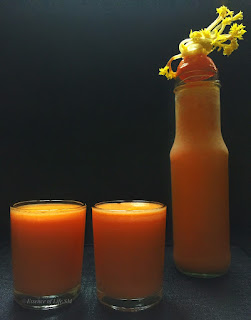
     Carrot Juice is an easy recipe which can be blended up within minutes in a mixer/juicer. The best way to consume Carrots is to have them raw.  So Juicing is one best way and you even don't have to worry about losing the nutrients from it.


STRAWBERRY MILK SHAKE

JUICES & DRINKS TO BEAT THE SUMMER HEAT, JUICE
STRAWBERRY MILK SHAKE

     This Strawberry Milkshake tastes like pure Strawberry, with a natural taste not too sweet & not too milky. This Milkshake is loaded with Strawberries and Strawberry Ice Cream to give a creamy, thick & pink coloured treat.


PINEAPPLE JUICE

JUICES & DRINKS TO BEAT THE SUMMER HEAT, JUICE
PINEAPPLE JUICE

     Homemade Pineapple Juice – refreshingly sweet, a bit tangy with just the right amount of tartness made from real fresh pineapples. Easy, simple and loaded with tons of nutrients in every glass. A glass of Pineapple juice is fit enough to serve you with an essential dose of Vitamin C for a day. A delicious tropical delight, which can boost your immunity & also can suppress inflammation.

PANAGAM - TRADITIONAL SOUTH INDIAN REFRESHING DRINK


JUICES & DRINKS TO BEAT THE SUMMER HEAT, JUICE
PANAGAM
     Panagam is a natural coolant and it helps to get our body hydrated. This drink is absolutely not limited to be prepared as a Prasadham.  It is a totally refreshing drink which can be easily made to quench your thirst on a hot day. Almost all the ingredients in Panagam has health benefits which makes this a totally wonderful and refreshing drink suitable for all Seasons.

     So enjoy the Summer by keeping yourself healthy, fit and hydrated.  Beat the Summer heat naturally with the above drinks and juices. 


Newer Posts Older Posts Home

Search Essence of Life - Food


I Me Myself

SM - Essence of Life
Essence of Life - Food is all about daily cooking with a simple sense of taste and health. It is all about food. Not a day goes by without eating for most of us, so what we eat matters on the whole.

Food in the mode of goodness increases the duration of life, purifies one's existence, and gives strength, health, happiness, and satisfaction. Above all ingredients, the most vital one in my kitchen is love.
Sm
@ Essence of Life - Food

Ebook - "What I Cook – For Onam"

Ebook - "What I Cook – For Onam"
Celebrate Onam the authentic way! Discover 25 timeless Kerala Sadya recipes in my ebook What I Cook – For Onam. From avial to payasam, bring home the flavours of tradition. Available now on Amazon!

Subscribe & Follow

"Quick-Fix Vishu Sadhya Recipes"

"Quick-Fix Vishu Sadhya Recipes"
Busy as a bee but still want to cook a grand Sadhya? If you’re short on time but refuse to compromise on tradition, I’ve a feq quick-fix Sadhya Dishes - From instant pickles to 3-minute pachadis, these Quick-Fix Sadhya Vattom are lifesavers. You can whip up these essential items in under an hour. Click here for easy Vishu Sadhya recipes!

Follow Essence of Life - Food

ASK FIRST!

Please note that all rights for the photographs and texts on this blog, unless otherwise mentioned, rests with the author. Please do not use without permission.

Advertisement


Advertisement

Main Ad

"Guide to our Cookie Policy"

  • Cookie Policy

Popular Posts

  • Pesaha Appam & Paal Recipe | Traditional Kerala Indri Appam for Maundy Thursday
    Pesaha Appam & Pesaha Paal – A Sacred Maundy Thursday Tradition Pesaha Appam & Pesaha Paal – A Sacred Maundy Thursday Tradition...
  • How to Make Kerala Kanji | Traditional Rice Porridge with Payar, Chammanthi & Achar
    Traditional Kerala Kanji Meal with Payar, Chammanthi & Achar " Kerala Kanji (Rice Porridge) – A Soulful Meal with Payar, Chammanth...
  • Maida Chapati - All-Purpose Flour Chapati
    Fluffy Maida Chapati- All Purpose Flour Chapati Perfect Maida Chapati Recipe: Thin, Soft, and Delicious      Discover one of the...
  • Madurai Mutton Chukka Varuval
    Madurai Mutton Chukka Varuval Madurai's Signature Dish: Authentic Mutton Chukka Varuval Sangam Valartha Madurai, Tamizh Valartha Madurai...
  • Kizhi Parotta: Kothu Parotta and Salna Wrapped in Banana Leaves
    Unveiling the Flavourful Kizhi Parotta Kizhi Parotta: A Flavourful Fusion of Parotta and Curry Wrapped in Banana Leaf Introduction to Kizhi ...
  • Home
  • I Me Myself
  • From My Kitchen
  • Heirloom Recipes
  • Sadhya
  • Around the World
  • Malaysian Cuisine
  • Thai Cuisine
  • South East Asian
  • Menu
  • eBook
  • Video Documentation
  • Download This Template
  • Glossary

Social Plugin

Blog Archive

  • Pesaha Appam & Paal Recipe | Traditional Kerala Indri Appam for Maundy Thursday
  • How to Make Kerala Kanji | Traditional Rice Porridge with Payar, Chammanthi & Achar
  • Maida Chapati - All-Purpose Flour Chapati
  • Madurai Mutton Chukka Varuval

About Blog


Food stylist & photographer. Loves nature and healthy food, and good coffee. Don’t hesitate to come for say a small “hello!”
  • Home
  • About
  • Contact

Popular Posts

Pesaha Appam & Paal Recipe | Traditional Kerala Indri Appam for Maundy Thursday

Image

How to Make Kerala Kanji | Traditional Rice Porridge with Payar, Chammanthi & Achar

Image

Maida Chapati - All-Purpose Flour Chapati

Image

Madurai Mutton Chukka Varuval

Image

Kizhi Parotta: Kothu Parotta and Salna Wrapped in Banana Leaves

Image

Labels

LUNCH MENUS 277 FROM GODS OWN COUNTRY 178 AROUND THE WORLD 160 Manvasanai - Flavours from Tamil Soil 126 DESSERTS 118 SADHYA 117 VEGGIES 107 CURRIES 103 MALAYSIAN CUISINE 80 BREAKFAST 78 DIWALI RECIPES 72 SNACKS & SAVOURIES 69 JUICES & DRINKS 66 RICE DISHES 65 HOW TO... 64 TIFFIN ITEMS 64 CHICKEN 57 From My Family's Kitchen - Heirloom Recipes 52 CHUTNEYS & CONDIMENTS 47 SEA FOOD 46 INDIAN SWEETS 44 CHINESE CUISINE 41 PAYASAM / PRADHAMAN / KHEER 40 CHRISTMAS RECIPES 32 DHAL 29 BIRIYANI & PULAO 28 AMMA & ACHAN'S SPECIALITIES 27 EGG 27 FISH 26 PICKLES 26 APPETIZERS/STARTERS 24 MUTTON 24 BAKING 23 GLOSSARY 23 INDIAN BREADS 22 INDONESIAN CUISINE 22 KONGU CUISINE 21 INDIAN STREET FOOD 20 KERALA PALAHARAM 20 TIPS & TRICKS 19 BEVERAGES 18 CAKES 18 SOUTHEAST ASIAN DESSERTS 18 SPICE POWDERS 18 SMOOTHIES 17 VIRUNDHU 15 RASAM 14 THAI CUISINE 13 MIDDLE EASTERN CUISINE 12 APPAM 11 CHAAT ITEMS 11 INDO-CHINESE RECIPES 11 NOODLES 11 PANEER 11 COCKTAILS & MOCKTAILS 10 MILLETS 10 SOUPS 10 WINES 10 ROTIS 9 RAITHAS & SALADS 8 BEEF 7 COOKIES 7 HOMEMADE MILK PRODUCTS 7 BREADS 6 MY STRICT APPICER'S a.k.a. MY DAUGHTER'S RECIPES 6 PUDDINGS 6 JAPANESE CUISINE 5 KUIH MUIH 5 SYRUPS 5 JAM 4 CANDIED FRUITS 3 EASTER 3 ICE CREAM 3 ICING & FROSTING 2 SAUCES 2 VADAGAM/VADAM/VATHAL 2 HOMEMADE COOKING ESSENTIALS 1 NAIVEDYAM/ PRASADHAM 1 eBook 1