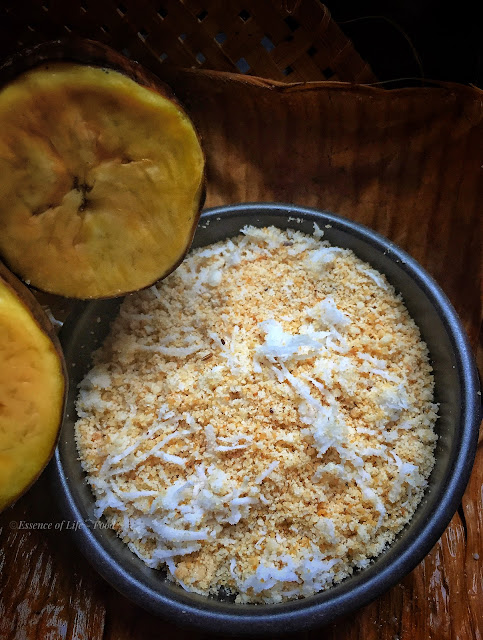
Essence of Life - Food
  • Home
  • From My Kitchen
    • Heirloom Recipes
    • From God's Own Country
    • Sadhya
    • Kongu Cuisine
    • Chettinaad Cuisine
    • South East Asian
    • Around the World
  • Ebook
  • I Me Myself


Three Avalose Unda served on a brass plate with glass tumblers of black tea, vintage tea kettle, and a colourful tin of snacks in the background

Avalose Unda with Chaya – Kerala Tea Time Nostalgia


Avalose Unda alias Ari Unda – A Love Story I Never Had


“Before we roll into the recipe, let me take you back to a kitchen filled with tins, laughter, and a certain hard rock ball I never quite understood…”


A Classic Naadan Treat with Generational Love, Tea-Time Stories, and Tips for Softening the Hardest Unda

    Call it Avalose Unda or Ari Unda — either way, it’s the snack that’s rolled through generations, tea times, and more than a few dental nightmares(just joking!). This traditional Kerala sweet may look innocent, but one bite and you’ll know why some call it the original hard rock of Nadan Palaharams. Packed with roasted Avalose Podi, jaggery, and coconut, it’s a sweet that resists — until you learn the trick to tame it. Come for the recipe, stay for the stories. Because sometimes, the hardest snacks carry the softest memories.


The Bomb I Never tried to Diffuse

    Let’s get this straight — I didn’t make it, I won’t make it, and I don’t even like it. Avalose Unda was always a malicious hard bomb in my eyes — a round, rock-solid pellet that needed either divine teeth or a construction-grade road roller to crush.

    Every time I saw one, I thought of that Tamil movie scene from Yejaman — where Meena offers Seedai to Rajnikanth and nearly sends him to the dentist. His friend even jokes about taking the Seedai to road workers so they could crush it with a roller and eat it later. Very much how I feel about biting into Avalose Unda — a dental dare I never accepted.


Pro Tip: Microwave your Avalose Unda for exactly 40 seconds — not 39, not 41. That’s the sweet spot between “edible delight” and “chewable granite”. Go on, rescue your molars. Be the hero your snack deserves.


Dry Roasted Woes

    To add to the trauma, the dry-roasted rice flour aroma never quite won me over. It had a toasty smell that somehow reminded me more of burnt Rice than a snack. The only faint memory I have of this unda goes back to my childhood, where a Nilambur neighbour gifted us a batch. My mother, clever as always, jazzed up the Avalose Podi with sugar, coconut, and banana — now that was edible. The Ari Unda though… still stayed like a stone in my memory.

Kerala Avalose Podi served with grated coconut, sugar, and steamed banana, alongside a mug of black coffee in a rustic brown-toned setup.

Avalose Podi Snack with Steamed Banana & Black Coffee – A Kerala Naalu mani Palaharam


Avalose Podi Nanachathu – A No-Cook Sweet Fix!  Got leftover podi? Here’s a nostalgic, easy-peasy way to turn it into a quick tea time treat without firing up the stove.

My Husband’s Unfettering Love

    Now contrast that with my husband. 

    This wasn’t just a snack for him — it was a childhood highlight, a seasonal must-have, and sometimes, a borderline obsession.

    Every year, his grandmother — our beloved Clemmi Thathi, the legendary matriarch of festive kitchens — would arrive from Cochin with tins full of Avalose Unda, Achappam, and Kuzhalappam. She didn’t just bring snacks; she brought tradition wrapped in tin lids and unconditional love.

Close-up of a hand holding a single Avalose Unda, with tea glasses and brass plate of snacks blurred in the background

Avalose Unda – Close-Up Texture Shot

    One year, fate played a cruel trick. His grandfather passed away on Christmas Day. The house was mourning — but my husband, a little boy back then, couldn’t quite grasp the weight of loss. What he did understand, however, was that something was missing. Obviously, the snack attacks.

    He cried. He wailed. Tantrums flew at full volume. Relatives tried to console him, but nothing seemed to work — until someone, finally, calmed him enough to ask: 

"What’s wrong?"

He sniffled and quietly said,

“I’ll feel better if you give me an Unda.”

Not grief. Not drama. Just pure, unfiltered childhood honesty.

    As he later put it — “Even the biggest sadness could’ve been softened... if only someone had given me an Ari Unda.”

Avalose Podi in bronze bowl with Avalose Unda and steaming Kattan Chaya – Traditional Kerala snack setup

Avalose Unda & Avalose Podi – All Set for Tea Time

 Snack Sleuth in the Loft - The Glass & The Secret That Broke During the Great Snack Heist

    This boy’s love for snacks didn’t end with Christmas. My husband has a whole anthology of his mischiefs — especially the times my MIL meticulously hid snack tins in unreachable lofts, hoping they’d last the season. Little did she know, her son had his own Mission Impossible skills.

    There’s also the infamous Snack Heist Incident, where he climbed up the loft during his mother’s siesta to grab a forbidden bite and gobble down a few Biscuits or Jaggery balls (those big Urunda Vellams) before quietly descending like a ninja. Once, his raid went wrong  — Biscuit tins toppled, jaggery tins were tumbled down, and in one grand crash, the glass of the cupboard shattered — along with his secret. And what happened later was history on its own!

    Yes, he was that child. The kind who measured joy in stealth attacks, who planned snack burglaries with military precision, and who has, to this day, never outgrown his love for snacks.

What It Meant to my MIL, What It Means to Me

    When I told my MIL I was including Avalose Unda in my upcoming ebook, she got excited. She promised to send me a batch with so much joy — I know it was just not for my interest, but because it should have brought back her own memories of festive kitchens and childhood days.

Cochilthe Ammoomma

    She wasn’t just any grandmother. She was Clemmi Thathi — Cochilthe Ammoomma — a woman of unmistakable character, attitude, and gait.  The kind who walked into a room with quiet command, whose presence filled the house 

    A woman who packed an entire angadi(market) into oversized bags. Bags that bulged with duck eggs, coconut, the red-hot fiery mulagu podi to the milder, glowing Kashmiri chilli powder, which, mind you, was a novelty in most homes back then (and we still call it Ammoomma’s Mulagu Podi).  Every item had her signature blend of love, utility, and foresight.

    They were heirlooms disguised as parcels. I’ve never lifted them myself — but I’ve felt their weight in the way my MIL talks about them, and in how my husband’s eyes light up when he recalls those visits. It wasn’t the weight of groceries — it was the weight of tradition, of a grandmother’s unspoken love, of a home that travelled across states in every tin and bundle. 


Avalose Podi in bronze bowl with Avalose Unda and steaming Kattan Chaya – Traditional Kerala snack setup
Avalose Podi Recipe – Classic Kerala Palaharam with Tea & Avalose Unda

A Traditional Kerala Snack I Never Loved (But Still Treasure)

    I didn’t make Avalose Unda, I won’t be making it anytime soon, and to be brutally honest — I don’t even like it. So why am I writing about this traditional Kerala snack that I’ve never cooked and hardly cared to chew?

Because some recipes deserve to be told — not for their taste, but for their roots.

    Avalose Unda may not be my cup of tea (or bite of bliss), but over time, I’ve grown to admire this humble, rock-hard sphere of roasted rice, coconut, and jaggery. It isn’t just a snack — it’s a time capsule. It holds within it the love of Ammachis who cooked in bulk for their families, and the joy of little boys who climbed into lofts just to steal a taste during stolen siestas.

Makes sense now, doesn’t it?

    This particular version of Avalose Unda comes straight from the heart of my husband’s home — a treasured recipe my mother-in-law still makes, perfected through years of practice and wisdom passed down by her sisters. These remarkable women are connoisseurs of Nadan Palaharams — ace apprentices of our family’s culinary legend, Clemmi Thathi. Between them, they’ve made and catered countless batches of Avalose Unda — and their tips, measurements, and little tricks are born not from guesswork, but deep, lived tradition.

    So here’s raising a nostalgic toast to Avalose Unda — the Kerala festive snack I never fell in love with, but am deeply grateful for. A symbol of tradition, childhood mischief, and generational love, all packed into a stubbornly hard, jaggery-laced ball.

Let’s roll into the recipe — the way the women of our home have always done it.


Learn to Make Your Own Avalose Podi.  Get the basics right with my easy, traditional method to roast and prep Avalose Podi — the real heart of this sweet.


Recipe Overview

  • Recipe Name: Avalose Unda
  • Cuisine: Kerala / South Indian
  • Recipe Type: Traditional Snack / Sweet
  • Yields: 20–24 balls (depends on size)Servings: 6–8
  • Author: SM @ Essence of Life – Food

Time Estimate

  • Preparation Time: 10 minutes
  • Cooking Time: 15–20 minutes
  • Total Time: 30 minutes (including shaping time)


Avalose Unda Recipe – Ingredients, Step-by-Step Instructions & Tips

Brass plate with Avalose Unda beside steaming black tea in glass tumblers, styled with vintage kitchenware and tin box in the background

Avalose Unda with Kattan Chaya/Black Tea – A Taste of Nostalgia


Avalose Unda Recipe

Ingredients

For the Sugar/Jaggery Syrup:

  • Sugar or Jaggery – 2 cups 
  • Water – ¾ cup
  • Lime Juice – 1 to 1½ tablespoon
  • Cardamom Powder – ½ to 1 teaspoon 

For the Unda Mix:

  • Avalose Podi – 3 cups

For Rolling:

  • Avalose Podi – ¾ to 1 cup (this is just for coating – don’t mix it into the base)

Note: Traditionalists swear by jaggery for that deep, dusky flavour and slight chewiness. Sugar gives a lighter colour and a crisper texture — great if you like neat rounds and clean hands. Both works - but dont mix them up.


Method: Step-by-Step Instructions

Make the Syrup

In a heavy-bottomed kadai or uruli:

  • Add 2 cups sugar or jaggery + ¾ cup water.
  • Bring to a boil and simmer until it reaches one-string consistency.
  • Add lime juice while boiling (1 to 1½ tbsp) — this keeps the syrup from crystallising later.
  • Stir in cardamom powder at the end.

Pro Tip: One-string consistency = sticky but not thick. Dip a spoon, touch it between thumb and finger — if it stretches like a string when pulled apart, it’s ready.  Overcooked syrup = rock candy unda. Don't get distracte!


Mix in Avalose Podi

  • Lower the flame.
  • Slowly add 3 cups of Avalose Podi into the syrup, a ladle at a time, mixing continuously.
  • The mix will begin to thicken — stir well so that no dry lumps remain.
  • Turn off heat once everything is combined and it forms a soft, sticky mass.

Pro Tip: Mix while it's hot and behave like it’s urgent — the longer you wait, the harder it gets.  Too dry? Sprinkle a tiny bit of hot water and stir quickly.


Close-up of Avalose Unda held in hand with clear focus on toasted texture, blurred tea glasses and snack tin in background

Handmade Avalose Unda – Close-Up of the Craft


Shape While Warm

  • When the mixture is warm enough to handle (but not finger-burning hot), take small scoops.
  • Roll them into tight, smooth balls — think marble size or a little larger.
  • Roll each unda in the extra Avalose Podi to coat them lightly. Let them cool on a plate.

Pro Tip: This is teamwork time – call in the kids, the cousins, or just bribe your husband. The mixture stiffens quickly, so work fast or microwave the mix for 10–15 seconds to loosen it again.


Serving Suggestions

  • Best served slightly warm, especially on cool rainy days.
  • Pair it with a strong cup of chaya or kaapi — you’ll forget all about bakery biscuits. 
  • Make it part of your 4 o’clock palaharam platter with other Kerala favourites — the kind of tray that makes you want to call your cousins over.
 
A rustic flatlay showing Avalose Podi in a brass uruli and Avalose Unda beside it, placed next to a steaming kettle and glass tea

Avalose Podi & Unda – Kerala’s Traditional Duo Snack


Storage Tips

  • Store in a clean, airtight container once cooled completely.
  • Keeps well for up to 10 days at room temperature — no fridge needed.
  • Got a batch that’s gone hard? Don’t panic.

Note: Store in an airtight container. If the unda hardens over time (as it will), microwave for exactly 40 seconds before eating.    —Credit: Reji Chetta 


Frequently Asked Questions (FAQ)

Q: Can I use only jaggery or only sugar?

  • Yes! Jaggery gives a deeper, slightly sticky, earthy taste. Sugar gives a crisp finish and cleaner colour. Choose based on your nostalgia!

Q: Can I use store-bought Avalose Podi?

  • Yes — but make sure it’s fresh and fragrant. Old podi will taste flat. (You can also check my recipe for homemade Avalose Podi below!)

Q: My mixture hardened before I could roll. What now?

  • Microwave the mix for 10–15 seconds to soften. Don’t add water unless it’s desperate times.

Q:Is this vegan?

  • Absolutely. Unless you add ghee as a tweak, this is naturally Vegan.


Recipes You Might Like

    Make your 4 o’clock tea time an all-out nadan affair:

Overhead shot of shaped Avalose Unda, a bowl of Avalose Podi, and black tea in glasses — a Kerala kitchen classic

Avalose Unda & Avalose Podi

  • Pazham Pori – Kerala’s iconic banana fritters
  • Sughiyan – Green gram and jaggery-filled fritters
  • Unniyappam – Divine deep-fried delights made with rice, jaggery, and banana
  • Elayada – Steamed, sweet parcels wrapped in banana leaf

    Avalose Unda might’ve once been the hard nut I refused to crack, but turns out — with the right mix of tradition, technique, and a microwave — it’s a snack that speaks volumes. It’s crunchy heritage, it’s Sunday kitchen memories, it’s Kerala in a bite.  Love Kerala Snacks? Pin this Avalose Unda Recipe for your tea-time cravings!”

    Try this recipe, tweak it to your family's taste, or pass it on to the next generation. Because snacks like these? They’re more than sweet — they’re stories waiting to be told.  

    If you made this recipe or revived a stubborn unda using Reji Chetta’s microwave trick, tag me or drop a comment. I’d love to see your versions and hear your snack stories!

Explore More Recipes @ Essence of Life - Food
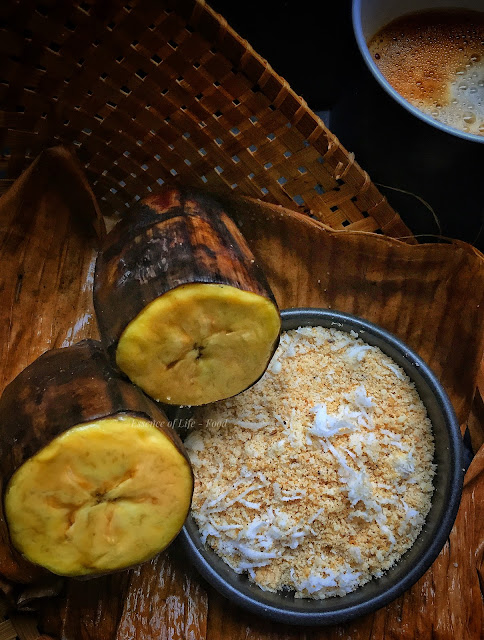


Kerala Avalose Podi served with grated coconut, sugar, and steamed banana, alongside a mug of black coffee in a rustic brown-toned setup.

Avalose Podi Snack with Steamed Banana & Black Coffee – A Kerala Naalu mani Palaharam


Avalose Podi with Coconut, Banana & Jaggery – A Kerala Quick Fix Snack

    When hunger knocks unannounced, the Malayali kitchen always has an answer. This humble Kerala snack made with Avalose Podi, grated coconut, ripe banana, and jaggery or sugar is the ultimate quick fix — no flame, no fuss. Often whipped up during tea time as a naalu mani palaharam (the sacred 4 PM snack hour), it's as nourishing as it is nostalgic. While a similar quick-fix Aval Nanachathu has its own fan base, this version with toasted rice flour brings a deeper flavour and bite. Whether served with Kattan Chaaya  or Kattan Kaapi or Milk Tea, it’s the kind of teatime treat that creates memories.

My Story – A Literal Story, Not a Memory

It’s June in Kerala.

    The skies are brooding grey. The paddy fields shimmer under a fresh wash of rain.
The school year has just begun — new timetables, new textbooks, ink-stained fingers, and the same old hunger pangs that hit like clockwork the moment the final bell rings, announcing the end of the school.

    For some, it's a season of crisp uniforms, squeaky shoes, shiny umbrellas, and bags that still smell of plastic.  But for many others — like those children I once saw in my parents’ village — school meant books tied with twine, flip-flops worn thin, or none at all. Green skirts, khaki shorts, white shirts clinging wet to the skin… and the bravest umbrellas of all: banana or taro leaves held overhead as they dashed through puddles.

    New or old, bag or no bag —and the familiar hunger that always finds its way in, right as the final bell echoes through the school corridor. The 4 PM hunger never played favourites. It came for all, equally. 

    In a quaint little village, children come home drenched – not just in rain, but in stories of the day. Uniforms clinging to their knees, socks dripping by the threshold, school bags flung aside without a second thought.

From the kitchen, drifts the most recognisable melody of comfort —

The rhythmic scrape of Amma grating coconut,
The gentle thud of a tin lid opening,
The hush-hush of banana slices landing in a steel bowl.
It’s a tune you didn’t just hear – you felt it.

The warm scent of Avalose Podi mixing with fresh coconut, powdered jaggery, and the sweet musk of ripe banana.
That aroma? It didn’t just awaken the appetite – it teased it.
It sent minds racing, little hands washing up faster than ever, eager to scoop a handful into the mouth.

If you were lucky, Amma would have tea brewing. Kattan kaapi or chaaya was the norm.
But if you belonged to a family that kept cows? Then you’d get paal chaaya (milk tea).
Ah, then you were royalty.

    That moment — a handful of Avalose Podi mix and a warm glass cupped in your hand — was all it took to turn a rainy, muddy, school-soaked day into something worth remembering.

    And the best part? Sitting cross-legged on the floor with your siblings, your Amma nearby, and everyone sharing stories from school — who got punished, who made everyone laugh, and what snack was packed in whose tiffin. Those were the evenings that stitched a family together, one bite and one giggle at a time.

    I have stories like this too — though not of quaint villages or chayakadas. Mine unfolded in the heart of a buzzing city, where 4 PM still meant soggy socks, flung schoolbags, and the sound of Amma in the kitchen. Avalose Podi may not have been the star at our table, but it had plenty of company — from Naalu Mani Palaharangal to warm bakery treats that filled both plate and heart. We’d sit with a cup of tea, my brother, Amma, and I, swapping school stories — the good, the funny, and the forgettable. The snack might differ, but that ritual of coming together? That was the real treat.

    I know many of you might find such moments familiar — the snacks may change, but the memories of tea-time gossips and sibling banter are eternal. 

Those quiet, shared pauses in our day? They’re what stay with us. 

Top-down view of Avalose Podi snack with coconut, sugar, and steamed banana arranged in a woven basket, with coffee mug in frame.

Avalose Podi – Classic Kerala Tea-Time Palette

The 4 PM Hunger Hack

    While the world turns to granola bars and protein balls, we Malayalees? We roll with what we’ve got – Avalose Podi, fresh coconut, a touch of sugar or powdered jaggery, and a humble banana. No fuss. No flame. Just tradition dressed as convenience.

So, What Is This Avalose Podi Snack?

    Call it a cousin to our aval nanachathu – that other quick fix with poha/aval, jaggery, and banana found across Kerala. (Check out that version on my blog here).

    But here, we take it a notch up in flavour and texture. Made using Avalose Podi – that toasted mix of rice flour, grated coconut, and a whisper of cumin – this version is:

  • Nutritious
  • Readily available
  • Instantly satisfying

    And unlike the elaborate sweets reserved for festivals, this one is everyday nostalgia – the kind you don’t even need a recipe for… just memory.

Close-up shot of Avalose Podi with grated coconut and sugar in a black ceramic bowl, capturing its crumbly, golden texture.

Avalose Podi Snack with Sugar & Coconut – Toasted, Textured, Timeless


Avalose Podi – A Star Born of Simplicity

Let’s pause for a moment on the hero of this dish. Avalose Podi isn’t just a flour. It’s a legacy.

    It likely has its roots in the rice-based food traditions of Kerala households, where every part of the paddy is honoured and transformed. After all, rice and coconut are more than just ingredients here — they’re synonymous with Kerala itself, forming the backbone of everyday meals and festive fare alike. The Avalose Podi mixture was originally made in bulk during festive seasons – roasted to perfection, stored in bharanis or tins, and pulled out for quick tea-time palaharams or post-meal munchies.

    It travelled through time from grandma’s hands to ours – no preservatives, no packaging, no brand labels. Just care, pure love, and rice + coconuts!


Want to make Avalose Podi from scratch?  Click here for the detailed recipe — straight from tradition to your kitchen.

Recipe Overview

  • Cuisine: Kerala, South Indian
  • Recipe Type: No-Cook Snack / Naalu Mani Palaharam
  • Yield: 1 small bowl (enough for 1–2 persons)
  • Serving Size: Approx. 1 cup mixed snack
  • Author: SM @ Essence of Life – Food 

Time Estimate 

  • Preparation Time: 5 minutes
  • Cook Time: None
  • Total Time: 5 minutes

Craving more Nadan Kerala Palaharam - Naalu Mani Palaharam?  Click here for a flavour-packed collection of Kerala’s traditional teatime snacks.


How to Make Avalose Podi Snack with Coconut, Banana & Jaggery – Quick & No-Cook Kerala Recipe

Close-up of Avalose Podi with coconut & sugar served in a banana-leaf-lined basket, paired with Steamed Nendhra Banana (puzhungiyathu).  in the background.

 Avalose Podi with Coconut & Sugar– Classic Kerala Tea-Time Snack

 Ingredients

For Avalose Podi Quick Fix Snack 

  • Avalose Podi – ½ cup (freshly made or leftover)
  • Grated coconut – ¼ cup (fresh only, please!)
  • Sugar – to taste (or use powdered jaggery for a richer flavour)
  • Banana – 1 ripe banana (sliced or mashed)

    Pro Tip: Serve with steamed bananas Nendhra Pazham Puzhungiyathu for the ultimate combo!  Use Palayam Kodan, Cheru Pazham or any local variety; 


Method: Step-by-step Instructions

  • In a mixing bowl, add Avalose Podi and grated coconut.
  • Add sugar or powdered jaggery to taste. Mix well.
  • Toss in the banana – you can mash it or slice it, depending on your mood.
  • Mix everything gently. Serve immediately.

    *Quick Recap: Mix Avalose Podi + grated coconut + sugar/jaggery + ripe banana. Stir and serve. A no-cook, nostalgic Kerala tea-time snack.


Pro Tip & Notes

  • If using jaggery, you can slightly warm it with a teaspoon of water to melt it into the mix better. But honestly, it works dry too – just use powdered jaggery.
  • This is a mix-and-eat recipe. Avoid storing once mixed. The coconut and banana are the best, when fresh.

Tradition Talks: Why This Snack Endures

    You’ll find versions of this snack across Kerala’s many communities – some call it naalu mani palaharam (the sacred 4 PM snack), others prepare it during summer holidays or after Vayaru Kaanal trays laden with Avalose Podi ending up in the pantry, or simply when kids return from school with rumbling bellies and muddy knees.

    It’s one of those dishes that quietly exists in every household’s memory, even if it never made it to the restaurant menu.

Avalose Podi in a black ceramic bowl, served with ripe steamed nendhra pazham and a backdrop of black coffee, styled on browned banana leaves.

A Complete Kerala Snack Frame – Avalose Podi, Nendhra Banana & Chaaya Vibes


FAQs

Q. Can I use store-bought Avalose Podi?

  • Yes, as long as it’s fresh and aromatic. Nothing stale or packed with preservatives.

Q. Can I substitute banana? 

  • Jackfruit or ripe mango in season can add a nice twist – but banana is the classic.

Q. Is it suitable for toddlers?

  • Yes, for kids above 3 years who are already used to solid food. Just ensure it’s soft, lump-free, and easy to digest.

Serve It With...

  • A cup of steaming Kattan Chaaya (black tea) or Paal Chaaya (Tea with milk)
  • A side of monsoon chatter
  •  And a memory waiting to be made


Still hungry for memories? 

    Amma had her own line-up of quick fixes that made 4 PM feel like a festival — no fancy ingredients, just magic in minutes.

  • Ghee-roasted Nendhra Banana with jaggery or sugar. It’s ready in minutes, gone in seconds, and remembered for a lifetime.
  • Kachayam – those deep-fried, golden sweet pillows made from maida and sugar. Think of them as my Amma’s own version of pancakes gone rogue.
  • Double Dosa – a snack so unique, we had to name it ourselves. Two soft white dosas sandwiched with sugar and coconut.

We affectionately named that coconut‑sugar‑dosa sandwich DOUBLE, after shouting the name in sync with an old 1980s detergent soap ad we watched before a movie in Theatres – that catchy on‑screen voice echoing “DOUBLE!” in the Hindi accented English. I don’t have a clip to link—but the memory of that echo in the hall is as clear as ever.


*Want to know more of Amma’s snack secrets? I might just spill them in an upcoming post… stay tuned!

Want More?

    Try the simple Aval Nanachathu – the Poha version of this snack. Equally nostalgic. Equally lovely.

    There’s something profound about the way Kerala cuisine makes the most out of what’s already in the kitchen. No waste. No wait. Just flavour wrapped in familiarity.

    Avalose Podi with coconut, sugar, and banana is one such gem.  Next time you're hungry, skip the snack bar – make this instead.  Boost your teatime traffic. Serve stories, not just snacks.

Avalose Podi in bronze bowl with Avalose Unda and steaming Kattan Chaya – Traditional Kerala snack setup

Avalose Podi Recipe – Classic Kerala Palaharam with Tea & Avalose Unda


Avalose Podi (അവലോà´¸് à´ªൊà´Ÿി) | Roasted Rice Coconut Powder – A Classic Kerala Nadan Palaharam

Avalose Podi (അവലോà´¸് à´ªൊà´Ÿി) – The Powder That Binds Generations

    Avalose Podi (അവലോà´¸് à´ªൊà´Ÿി) isn’t just a snack – it’s a memory, roasted into every Malayalee kitchen. Long before instant mixes and bakery packets, this humble, soulful blend of roasted rice and coconut—gently spiced with cumin and cardamom—was made with love and shared with joy. Avalose Podi has comforted generations during teatime. It’s a shining example of how minimal, native ingredients can come together to create something deeply nostalgic and satisfying.

    Also known as Avalos Podi or Avilose Podi, this traditional Kerala snack was lovingly stirred in bronze urulis and served with bananas and steaming Kattan Chaya (Black Tea). From Christmas platters to Vayaru Kaanal packages, Avalose Podi has long held a sacred place in Kerala Christian homes—and beyond.  If you're looking to recreate a soul-warming, traditional palaharam at home, this Avalose Podi recipe is your perfect guide.

Don’t stop here — check out Avalose Unda – Sweet Balls of Tradition and roll your way into another story-rich recipe.

Tradition Talks: A Snack for Every Season

Whether it’s:

  • A 4 p.m. tea-time hunger pang
  • A comforting meal for toddlers
  • A must-have during Christmas sweet rounds
  • A ceremonial offering for Vayaru Kaanal (വയറ് à´•ാണല്‍) – the 7th-month pregnancy ritual
  • Or part of a snack hamper from Grandmothers/Mothers from Kerala to their children and families across the globe…

    Avalose Podi has played every role in Kerala homes. It was once exclusively homemade – a matriarch’s speciality. Now, it lines bakery shelves across the state – but nothing matches the flavour of a lovingly roasted, hand-mixed batch at home.

Popular in Kerala Christian Kitchens

  • Christmas & Celebrations - For sweet trays alongside Achappam and Kuzhalappam, especially during the festive season.
  • Pregnancy Ritual – Vayaru Kaanal - A must-have among the 5, 7, or 9 snacks for expectant mothers.
  • From Home with Love - Tins packed with Mother’s snacks and masalas — sent across the states and the world.
  • Church Festivals & Family Reunions - Served during Palli Perunnals, when extended families gather for food and fellowship.

Across Communities & Continents

    Once exclusive to Syrian Christian kitchens, now it has become a beloved snack of Malayalees, and NRI's alike. Avalose Podi & Unda are often packed in tins lined with newspaper and string, these snacks travelled alongside jackfruits, mango, pickles, chips, fiery red chilli powders, idiyappam and puttu podis, and other homemade masalas — a love letter from the heart of a Loving Mother's kitchen.

Legacy Now Served in Jars

    Though bakeries now sell Avalose Podi and Unda, the essence of Kerala Christian tradition still lingers strongest when it’s roasted patiently in a bronze uruli, stirred by hands that know the rhythm of tradition and stories whispered across generations.

Avalose Podi in bronze bowl with Avalose Unda and steaming Kattan Chaya – Traditional Kerala snack setup
Avalose Podi Recipe – Classic Kerala Palaharam with Tea & Avalose Unda


History & Origin of Avalose Podi

    While widely loved across communities today, many trace its roots to the Syrian Christian kitchens of Central Kerala — especially in and around the Cochin - Kottayam belt. Over time, these recipes spread across homes and denominations, and into Hindu and Muslim kitchens. And today, they comfort the taste deprived homesick NRI's across the world — a nostalgic nod to the taste of home, the warmth of faith, and the timelessness of tradition.

Love snacks with soul? Explore more Kerala Nadan Palaharams that echo tradition and taste! 

Recipe Overview

  • Cuisine: Kerala, South Indian
  •  Recipe Type: Traditional Snack / Palaharam
  •  Yields: Approximately 4–5 cups of Avalose Podi
  •  Servings: 6–8 people (as a light snack with bananas or tea)
  •  Author: SM @ Essence of Life - Food

Time Estimate

  • Preparation Time: 3 to 4 hours (including soaking and resting)
  •  Cooking Time: 45 to 60 minutes

Looking for a no-fuss Naalu Mani Palaharam? Try  "Ball – the Family-Famous Wheat-Coconut Snack" — a 5-minute quick fix snack passed down from my MIL’s kitchen.


Overhead view of Avalose Podi with Avalose Unda in a colourful tin, Kattan Chaya, and vintage glass holder – traditional Kerala tea snack setup

Avalose Podi – Hand-Roasted Kerala Palaharam


Ingredients:

For Homemade Avalose Podi (അവലോà´¸് à´ªൊà´Ÿി)

  • Raw rice – 3 cups 
  • Freshly grated mature coconut – 1½ coconuts (approx. 2 to 2½ cups)
  • Cumin seeds – 2 teaspoons
  • Cardamom pods – 8 to 10
  • Dry ginger – 1 small piece
  • Salt – 1 teaspoon

Optional (if serving directly): 2–3 tablespoons of powdered jaggery or sugar, added while grinding.


Method - Step-by-Step Cooking Instructions

Soak & Prepare the Rice

  • Wash the rice thoroughly and soak for 2–3 hours.
  • Drain and leave it in a colander, then spread over a clean kitchen towel.
  • Allow to dry slightly until it feels half-wet (not bone dry).

Grind to Thari Texture

  • Pulse the semi-dry rice in a mixer grinder to get a coarse texture, similar to semolina (called തരി in Malayalam).

Mix Coconut & Salt

  • Combine the coarse rice flour with grated coconut.
  • Add salt and mix well using your hand or a ladle. Let this sit for 30–45 minutes.

Roast the Spices

  • Heat a heavy-bottomed uruli(ഉരുà´³ി) or a non-stick pan.
  • Dry roast cumin, cardamom, and dry ginger until aromatic.

Roast Everything Together

  • Add the rice-coconut mix to the spices and begin roasting on a low flame.
  • Keep stirring continuously to prevent burning. This takes time – don’t rush.
  • Roast until the mix turns golden and fragrant.

Patience is key. Continuous stirring ensures even roasting. Walk away and you risk burnt bits.

Cool & Grind

  • Allow the roasted mix to cool slightly.
  • Pulse into a granule-textured powder.
  • Add jaggery or sugar only if making sweet Avalose Podi. If you plan to shape into Unda later, skip the sweetener. 

Dryness check: Press a spoonful – it should feel slightly gritty but dry.

Pro Tips & Notes

  • Want to serve directly? Add sugar/jaggery and eat with banana slices.
  • Don’t like coconut or sweetness? Skip sugar and serve savoury – some eat it just like that.


Serving Suggestions

  • With Palayamkodan or Cheru Pazham or any banana varieties locally available
  • With Steamed Ethapazham/Nendhra Pazham (banana)
  • With hot Kattan Chaya or Masala Chaya or Kattan Kaapi (strong black coffee)
  • Add a spoon of ghee for toddlers and elders – makes it rich and digestible


Storage Suggestions

  • Cool completely before storing.
  • Avoid plastic containers – glass or tin is best for preserving flavour and preventing moisture.
  • Lasts up to 4 weeks if kept moisture-free.


FAQs

Q. Can I skip coconut? 

  • Technically yes, but you lose the soul of the recipe.

Q. Can I use desiccated coconut? 

  • Yes, desiccated coconut works as a substitute if fresh coconut isn’t available, though fresh yields better taste.

Q. Can this be made with puttu podi or idiyappam flour? 

  • Idiyappam Flour is too fine and typically roasted — not suitable.
  • Puttu Podi can be used as a substitute, especially if it's coarse and not pre-steamed or roasted — but the flavour won't match the handmade version.

Q. Can I use unroasted rice flour instead of raw rice? 

  • Yes, but the flavour profile and texture will differ slightly. Homemade coarse-ground rice is more traditional.

Q. Can I add sugar or jaggery while grinding? 

  • You can, but I prefer adding sweeteners while eating for better texture control and longer shelf life.


Recipes You Might Like

  • Avalose Unda – Sweet Balls of Tradition
  • Vattayappam – Steamed Rice Cake from Kerala
  • Ela Ada – Coconut & Jaggery in Banana Leaves
  • Aval Nanachathu – Flattened Rice/Poha – A sweet no-cook mix of flattened rice, coconut, and jaggery – Kerala's quickest hug in a bowl.


Close-up of Avalose Podi mixed with grated coconut and sugar, served with steamed Nendhra banana – a traditional Kerala tea-time snack.

Avalose Podi with Grated Coconut & Steamed Banana – Naalu Mani Comfort


*Quick Fix Alert: Got leftover Avalose Podi? Just mix it with freshly grated coconut, a bit of sugar or jaggery, and sliced bananas — and you’ve got yourself a 5-minute Naalu Mani Palaharam to tame any surprise hunger pangs.

ProTip: If you’ve got Nendhra Pazham Puzhungiyathu (steamed bananas) on hand, mash it in — it’s one of the tastiest, most comforting combos to pair with Avalose Podi!


A Time tested Recipe

    Avalose Podi isn’t a recipe – it’s a legacy. It’s the sound of your grandmother stirring a brass uruli while chatting with neighbours. It’s the aroma that drifted through Kerala kitchens and travelled in tins to cities far away and around the world.

    So go on, make a batch...

  • Let your children scoop it with bananas. 
  • Let your guests wonder what magic is this. 
  • Let your kitchen smell like tradition.


Newer Posts Older Posts Home
View mobile version

Search Essence of Life - Food


I Me Myself

SM - Essence of Life
Essence of Life - Food is all about daily cooking with a simple sense of taste and health. It is all about food. Not a day goes by without eating for most of us, so what we eat matters on the whole.

Food in the mode of goodness increases the duration of life, purifies one's existence, and gives strength, health, happiness, and satisfaction. Above all ingredients, the most vital one in my kitchen is love.
Sm
@ Essence of Life - Food

Ebook - "What I Cook – For Onam"

Ebook - "What I Cook – For Onam"
Celebrate Onam the authentic way! Discover 25 timeless Kerala Sadya recipes in my ebook What I Cook – For Onam. From avial to payasam, bring home the flavours of tradition. Available now on Amazon!

Subscribe & Follow

"Quick-Fix Vishu Sadhya Recipes"

"Quick-Fix Vishu Sadhya Recipes"
Busy as a bee but still want to cook a grand Sadhya? If you’re short on time but refuse to compromise on tradition, I’ve a feq quick-fix Sadhya Dishes - From instant pickles to 3-minute pachadis, these Quick-Fix Sadhya Vattom are lifesavers. You can whip up these essential items in under an hour. Click here for easy Vishu Sadhya recipes!

Follow Essence of Life - Food

ASK FIRST!

Please note that all rights for the photographs and texts on this blog, unless otherwise mentioned, rests with the author. Please do not use without permission.

Advertisement


Advertisement

Main Ad

"Guide to our Cookie Policy"

  • Cookie Policy

Popular Posts

  • Pesaha Appam & Paal Recipe | Traditional Kerala Indri Appam for Maundy Thursday
    Pesaha Appam & Pesaha Paal – A Sacred Maundy Thursday Tradition Pesaha Appam & Pesaha Paal – A Sacred Maundy Thursday Tradition...
  • How to Make Kerala Kanji | Traditional Rice Porridge with Payar, Chammanthi & Achar
    Traditional Kerala Kanji Meal with Payar, Chammanthi & Achar " Kerala Kanji (Rice Porridge) – A Soulful Meal with Payar, Chammanth...
  • Maida Chapati - All-Purpose Flour Chapati
    Fluffy Maida Chapati- All Purpose Flour Chapati Perfect Maida Chapati Recipe: Thin, Soft, and Delicious      Discover one of the...
  • Kizhi Parotta: Kothu Parotta and Salna Wrapped in Banana Leaves
    Unveiling the Flavourful Kizhi Parotta Kizhi Parotta: A Flavourful Fusion of Parotta and Curry Wrapped in Banana Leaf Introduction to Kizhi ...
  • Madurai Mutton Chukka Varuval
    Madurai Mutton Chukka Varuval Madurai's Signature Dish: Authentic Mutton Chukka Varuval Sangam Valartha Madurai, Tamizh Valartha Madurai...
  • Home
  • I Me Myself
  • From My Kitchen
  • Heirloom Recipes
  • Sadhya
  • Around the World
  • Malaysian Cuisine
  • Thai Cuisine
  • South East Asian
  • Menu
  • eBook
  • Video Documentation
  • Download This Template
  • Glossary

Social Plugin

Blog Archive

  • Pesaha Appam & Paal Recipe | Traditional Kerala Indri Appam for Maundy Thursday
  • How to Make Kerala Kanji | Traditional Rice Porridge with Payar, Chammanthi & Achar
  • Maida Chapati - All-Purpose Flour Chapati
  • Kizhi Parotta: Kothu Parotta and Salna Wrapped in Banana Leaves

About Blog


Food stylist & photographer. Loves nature and healthy food, and good coffee. Don’t hesitate to come for say a small “hello!”
  • Home
  • About
  • Contact

Popular Posts

Pesaha Appam & Paal Recipe | Traditional Kerala Indri Appam for Maundy Thursday

Image

How to Make Kerala Kanji | Traditional Rice Porridge with Payar, Chammanthi & Achar

Image

Maida Chapati - All-Purpose Flour Chapati

Image

Kizhi Parotta: Kothu Parotta and Salna Wrapped in Banana Leaves

Image

Madurai Mutton Chukka Varuval

Image

Labels

LUNCH MENUS 277 FROM GODS OWN COUNTRY 178 AROUND THE WORLD 160 Manvasanai - Flavours from Tamil Soil 126 DESSERTS 118 SADHYA 117 VEGGIES 107 CURRIES 103 MALAYSIAN CUISINE 80 BREAKFAST 78 DIWALI RECIPES 72 SNACKS & SAVOURIES 69 JUICES & DRINKS 66 RICE DISHES 65 HOW TO... 64 TIFFIN ITEMS 64 CHICKEN 57 From My Family's Kitchen - Heirloom Recipes 52 CHUTNEYS & CONDIMENTS 47 SEA FOOD 46 INDIAN SWEETS 44 CHINESE CUISINE 41 PAYASAM / PRADHAMAN / KHEER 40 CHRISTMAS RECIPES 32 DHAL 29 BIRIYANI & PULAO 28 AMMA & ACHAN'S SPECIALITIES 27 EGG 27 FISH 26 PICKLES 26 APPETIZERS/STARTERS 24 MUTTON 24 BAKING 23 GLOSSARY 23 INDIAN BREADS 22 INDONESIAN CUISINE 22 KONGU CUISINE 21 INDIAN STREET FOOD 20 KERALA PALAHARAM 20 TIPS & TRICKS 19 BEVERAGES 18 CAKES 18 SOUTHEAST ASIAN DESSERTS 18 SPICE POWDERS 18 SMOOTHIES 17 VIRUNDHU 15 RASAM 14 THAI CUISINE 13 MIDDLE EASTERN CUISINE 12 APPAM 11 CHAAT ITEMS 11 INDO-CHINESE RECIPES 11 NOODLES 11 PANEER 11 COCKTAILS & MOCKTAILS 10 MILLETS 10 SOUPS 10 WINES 10 ROTIS 9 RAITHAS & SALADS 8 BEEF 7 COOKIES 7 HOMEMADE MILK PRODUCTS 7 BREADS 6 MY STRICT APPICER'S a.k.a. MY DAUGHTER'S RECIPES 6 PUDDINGS 6 JAPANESE CUISINE 5 KUIH MUIH 5 SYRUPS 5 JAM 4 CANDIED FRUITS 3 EASTER 3 ICE CREAM 3 ICING & FROSTING 2 SAUCES 2 VADAGAM/VADAM/VATHAL 2 HOMEMADE COOKING ESSENTIALS 1 NAIVEDYAM/ PRASADHAM 1 eBook 1