|
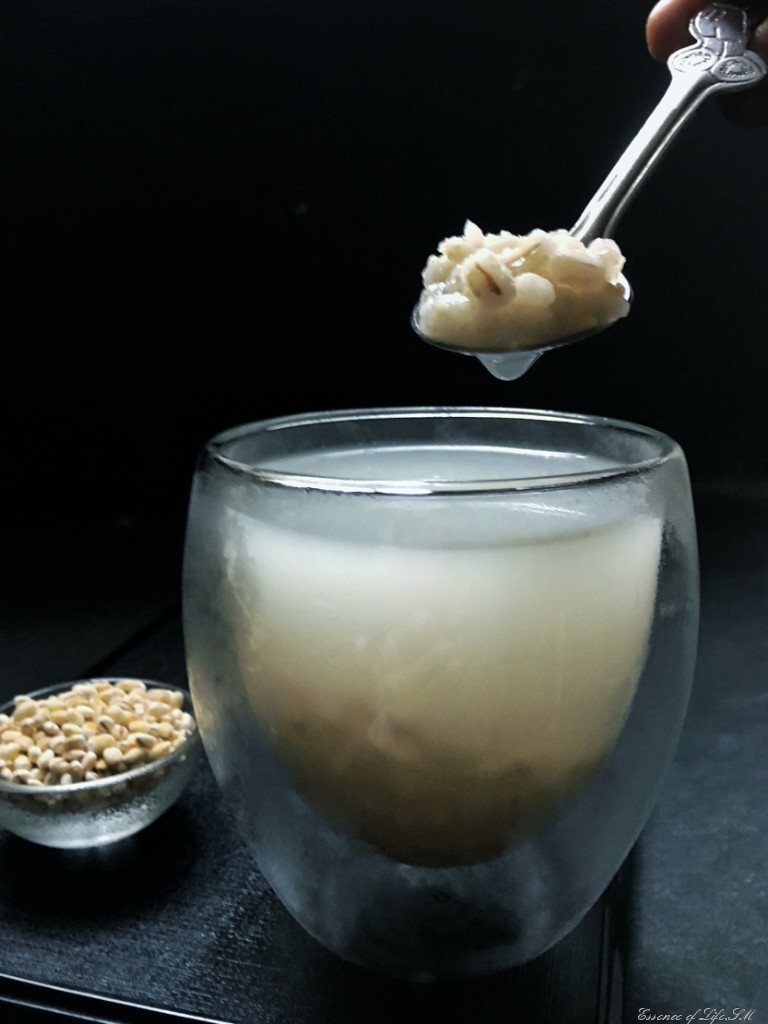
Aval Nanachathu – Sweetened Beaten Rice Flakes with Fresh Coconut and Sugar |
Aval Nanachathu – Sweetened Beaten Rice Flakes Recipe for Quick Evening Snack
“Aval Nanachathu (Kerala Sweetened Beaten Rice Flakes) is one of those old-school snacks that needs no stove, no skill — just love, coconut, and a handful of aval. This humble naadan palaharam from Kerala captures the comfort of home and the simplicity of tradition.”
Aval Nanachathu (അവൽ നനച്ചത്) — a classic Kerala Naadan Palaharam that speaks the language of simplicity and nostalgia. Made with just beaten rice flakes (Aval), freshly grated coconut, and sugar or jaggery, this humble no-cook snack has been Kerala’s comfort bowl for generations. Soft, sweet, and beautifully rustic — it’s the kind of Naalumani Palaharam you can whip up in minutes, with flavours that linger like a fond memory of home.
What is Aval / Beaten Rice Flakes?
Aval — or beaten/flattened rice flakes — is nothing but raw rice grains flattened into thin, dry flakes. These are made from various rice varieties, and the thickness can vary from fine to thick. It’s light, easy to digest, and deeply rooted in Indian regional cuisines.
Traditionally, Aval was made using Ural and Ulakka — the classic mortar and pestle. I still remember Lakshmi, my grandmother’s house help, making it the old-fashioned way — the rhythmic pounding echoing through the Nellu Kuthunnu Ara inside the Pathayapura (the granary where paddy was stored), and that gentle puff of warm, toasty rice aroma filling the air.
 |
My grandmother, on the other hand, made Malar — puffed rice — by dry roasting paddy grains in a huge uruli (brass wok). The sight of those grains bursting open with tiny crackles and the smoky, nutty aroma wafting through the courtyard still lingers in my mind.
Those handmade aval flakes were thicker and slightly coarse — with a wholesome bite and a faint nuttiness that today’s paper-thin, factory-processed versions simply lack. The modern ones are usually made in bulk by soaking parboiled rice, roasting it slightly, and then flattening it mechanically under hot rollers — efficient, yes, but stripped of the rustic charm and soul of the traditional method.
Types of Aval / Flattened Rice Around the World
“Aval isn’t unique to Kerala — every Asian culture has its own version of beaten rice. Here’s a look at how this humble ingredient takes shape around the world.”
Across Asia, rice takes on many forms — and flattened rice flakes are among the most loved and ingenious. From Kerala’s thick, hand-pounded aval to the delicate, green-hued pinipig of the Philippines, each culture has its own version of this humble yet versatile ingredient.
Aval – Beaten Rice Flakes of South India

In South India, aval is made from mature rice grains that are parboiled, dried, and pounded flat. Traditionally, this was done using ural and ulakka (mortar and pestle). The flakes are slightly thick, chewy, and carry a subtle nuttiness. Older generations even made malar (puffed rice) by dry-roasting paddy in large woks — a method still remembered fondly in traditional households.
Today’s factory-made versions, however, tend to be thinner and more fragile, processed mechanically in rice mills. While convenient, they lack the rustic texture and aroma of the hand-pounded avals of yesteryear.
Poha / Chiura – India, Nepal & Bangladesh
Across India, Nepal, and Bangladesh, flattened rice is known as poha, chiura, or aval. It comes in thin, medium, and thick varieties — each suited for different dishes, from quick poha upma to crunchy snacks and desserts.
“Across India, every region has its own version of Aval recipes — from Poha in Maharashtra to Chivda in Gujarat. But when it comes to Kerala homes, Aval Nanachathu, Aval Vilayichathu, Aval Ada, and Pazham Nirachathu top the list.
Asian Varieties

Pinipig – Philippines
Pinipig is made from immature glutinous rice grains, pounded while still green and toasted till crisp. It’s used as a topping for desserts like halo-halo and buko pandan. Its delicate crunch and pale green hue make it visually and texturally distinct from Indian aval.

Groene Rijst/ Cốm (Vietnam) & Khao Mao (Thailand)
Both Vietnam’s Groene Rijst ( Cốm) and Thailand’s Khao Mao are made by flattening young green rice, producing soft, chewy flakes with a fresh, grassy aroma. These are eaten fresh, used in sweets, or mixed with coconut and sugar — much like our Aval Nanachathu!
Ambok – Cambodia
A ceremonial favourite during Cambodia’s Water Festival, Ambok is made from toasted rice still in husk, then pounded flat. It’s often enjoyed with banana or coconut, echoing the simplicity and comfort of Kerala’s evening snacks.
Fun Fact: Whether it’s pinipig, poha, or aval, every version of flattened rice tells a story of patience, pounding, and preservation — transforming humble rice into something soft, soulful, and satisfying.
My Story — Nostalgia of Naalu Mani Palaharams, the 4 PM Ritual
Every home has its rhythm, and in ours, it struck the moment we stepped off the school bus. The hungry mind would instantly wander off in search of a snack.
Most evenings, Amma had something brewing or frying — her way of wrapping up our day with love and a snack. But if she hadn’t made anything yet, there was always Plan B: Krishna Bakery, right by the bus stand. The moment our school bus halted, my brother, with his all-knowing grin, would nudge her — “Amma, something from the bakery?”
If her mood was generous, we’d walk home with puffs or coconut buns; if not, she’d smile that knowing smile and say, “I’ll make something.” That something often turned out to be Aval Nanachathu or Kachayam or a Double — that’s a dosa made with fresh batter, two soft, fluffy white layers with a mix of coconut and sugar sandwiched between — her humble, effortless masterpieces.
But Amma ran her kitchen like a gentle general. No snack until you’ve washed up, changed, and tidied your battlefield of a school bag. I, the self-proclaimed tad too perfect, took this very seriously — scrubbing my feet till they squeaked, rinsing my lunchbox to perfection, everything in its rightful place. Only then was I ready for my evening treat.
By then, Amma would’ve finished mixing her delicacy — soft aval flakes, fresh grated coconut, a dusting of sugar, and sometimes slivers of banana. For me, it was a bowl of aval nanachathu and a glass of plain milk. For my brother, always a tall glass of Bournvita/ Boost/Complan. My brother, frail and often unwell with primary complex, was the reason Amma believed in those “health drinks.” She thought they were magical potions that would make him stronger. I, on the other hand, was the sturdy one — healthy, talkative, and full of life, but never the troublesome sort. I was utterly uninterested in milk or any of its disguised forms. Yet Amma insisted, every morning & evening turned into a battle of wills — me versus that glass of milk.
We’d sit on the cool cement floor, the afternoon light slanting through the window, and that first spoonful — sweet, grainy, and comforting — made everything right again. The world slowed down, the day softened, and for those few minutes, it was just Amma, me and my brother — the gentle clink of steel bowls, love folded into every bite, and stories of the day shared in hushed joy.
Did that wave of nostalgia hit you too? Here is a collection of Kerala’s teatime memories — explore more Nadan Kerala Palaharam - Naalu Mani Palaharam. Click here for a flavour-packed collection of Kerala’s most beloved traditional snacks.
Why You’ll Love This Aval Nanachathu Recipe
-
No cooking required – just mix and rest.
-
A quick fix snack – Sweet and wholesome.
-
Light, digestible, and perfect for tea-time.
-
Made with everyday ingredients.
-
A nostalgic Naalumani Palaharam that never goes out of style.
Get ready to make this simple, traditional Kerala snack that’s light, wholesome, and full of coconut flavour. Here’s what you’ll need for this quick no-cook sweet treat.
Aval Nanachathu – Recipe Overview
- Cuisine: Kerala (India)
- Category: Snack / Naadan Palaharam
- Difficulty: Easy
- Serves: 2
- Author: SM @ Essence of Life - Food
Time Estimate
- Preparation Time: 5 – 10 minutes
Craving for more Kerala's comfort-in-a-bowl snacks? Try this Avalose Podi snack with Coconur, Suar/Jaggery & Banana — another quick fix Naadan Palaharam that sweetend 4pm moments....
How to Make Aval Nanachathu – Step-by-Step Guide
 |
Aval Nanachathu – Sweetened Beaten Rice Flakes Served in a Bronze Uruli |
Ingredients
For Aval Nanachathu
- 1 cup Aval / Beaten Rice Flakes
- 1/2 cup Freshly Grated Coconut
- 1/4 cup Sugar/Powdered Jaggery
Pro Tip: Use thin/medium variety or white/red matta variety for best texture. If you can get hold of the Pinimig/Khao Mao give a try with those variety too... Find my detailed guide on Types of Aval / Beaten Rice Flakes here...
Optional Add-ins
-
2-3 Ripe Bananas (Optional)
(Mashed or sliced – they lend natural sweetness and make the snack more filling.)
Method - Step-by-step Instructions
Mix the Base
- In a wide bowl, combine Aval, freshly grated coconut, and sugar or grated jaggery. Toss gently using your fingertips until evenly mixed.
Pro Tip: The natural moisture from the coconut and sugar is enough to soften the Aval — avoid adding water at this stage.
Adjust the Texture (Optional)
- If your Aval feels dry, sprinkle a few teaspoons of water/coconut water and mix again.
Note: Add sparingly — overdoing it can make the Aval Nanachathu soggy.
Let It Rest
- Cover and leave the mixture aside for about 30 minutes to 1 hour. During this time, the natural moistness of the coconut and sugar will gradually soak the rice flakes, making them soft and fluffy.
Add Bananas (Optional)
- Just before serving, add chopped bananas and mix gently. The mild sweetness and soft bite of Nendra bananas pair beautifully with the Aval mixture.
Pro Tip: Avoid adding bananas too early — they may turn mushy if left for long.
Serve and Enjoy
- Serve Aval Nanachathu as is — or pair it with a cup of hot tea for that perfect Naalumani Palaharam moment.
*Quick Recap — Mix Aval + grated coconut + sugar/jaggery + ripe banana. Stir and serve. A no-cook, nostalgic Kerala tea-time snack.
Pro Tips & Notes
-
Use freshly grated coconut – desiccated coconut changes both texture and taste.
-
Do not refrigerate immediately after mixing; allow it to rest first.
-
If using jaggery syrup, let it cool before adding to avoid making the Aval sticky.
-
The sweetness can be adjusted based on whether you’re using ripe bananas.
-
For a festive twist, add chopped nuts or raisins lightly roasted in ghee.
Storage Suggestions
- Aval Nanachathu tastes best when freshly prepared.
- If you must store it, refrigerate in an airtight container for up to 12 hours.
- Bring it to room temperature before serving. Avoid adding bananas until ready to serve.
Serving Suggestions
-
Traditionally served as a tea-time Kerala snack (Naalumani Palaharam).
-
Perfect for quick sweet cravings after lunch or dinner.
-
Serve chilled with ripe Nendran bananas for a nostalgic Kerala-style pairing.
-
Makes a great prasadham-style offering when combined with puffed rice and dry fruits (Avilum Malarum style).
❓ FAQs
Q: Can I use red Aval instead of white?
- Absolutely! Red Matta Aval adds a rustic, nutty depth that many Kerala households prefer.
Q: Do I need to soak the Aval in water?
- Not necessarily. The moisture from grated coconut and sugar is enough to soften it. If you’re short on time, sprinkle a spoon or two of coconut water.
Q: Can I make this ahead of time?
- Yes — up to an hour in advance. But add bananas only just before serving to retain freshness.
Recipes You Might Like
- Avalose Unda – Sweet, nutty rice-coconut balls, slow-roasted to perfection — a classic tea-time delicacy from every Kerala kitchen.
- Sukhiyan – Green gram and jaggery filling wrapped in a crisp golden shell; a comforting snack that’s pure nostalgia.
- Pazhampori – Ripe plantain fritters, deep-fried till golden and caramel-sweet — Kerala’s most beloved evening bite.
- Diamond Cuts – Crunchy, sugar-coated fried bites — the festive favourite that sparkles on every Kerala Christian snack platter.
Each of these naadan palaharams celebrates the essence of Kerala’s traditional snacks — simple ingredients, timeless flavours, and a sprinkle of nostalgia in every bite.
The Sweet Simplicity of Kerala

Close-up of Aval Nanachathu – Kerala Sweetened Beaten Rice Flakes
Close-up of Aval Nanachathu – Kerala Sweetened Beaten Rice Flakes
Aval Nanachathu is more than just a recipe — it’s a memory wrapped in simplicity. A handful of ingredients, a touch of patience, and the quiet rhythm of Kerala evenings come together in one comforting bowl.
It’s what mothers made when time was short, what grandmothers served with love, and what continues to remind us that the best food doesn’t need fire — just heart.
So next time you crave something quick, light, and sweet — skip the store-bought dessert. Mix up some Aval Nanachathu, pour yourself a cup of tea, and taste a little piece of Kerala nostalgia.
Explore more from "Essence of Life – Food” or Discover Classic "Kerala Snacks Collection".
“Some recipes fill your stomach, some fill your heart — Aval Nanachathu does both.”